Pittsfield's Woodlawn Bridge Reopens After 10 Years
.JPG)
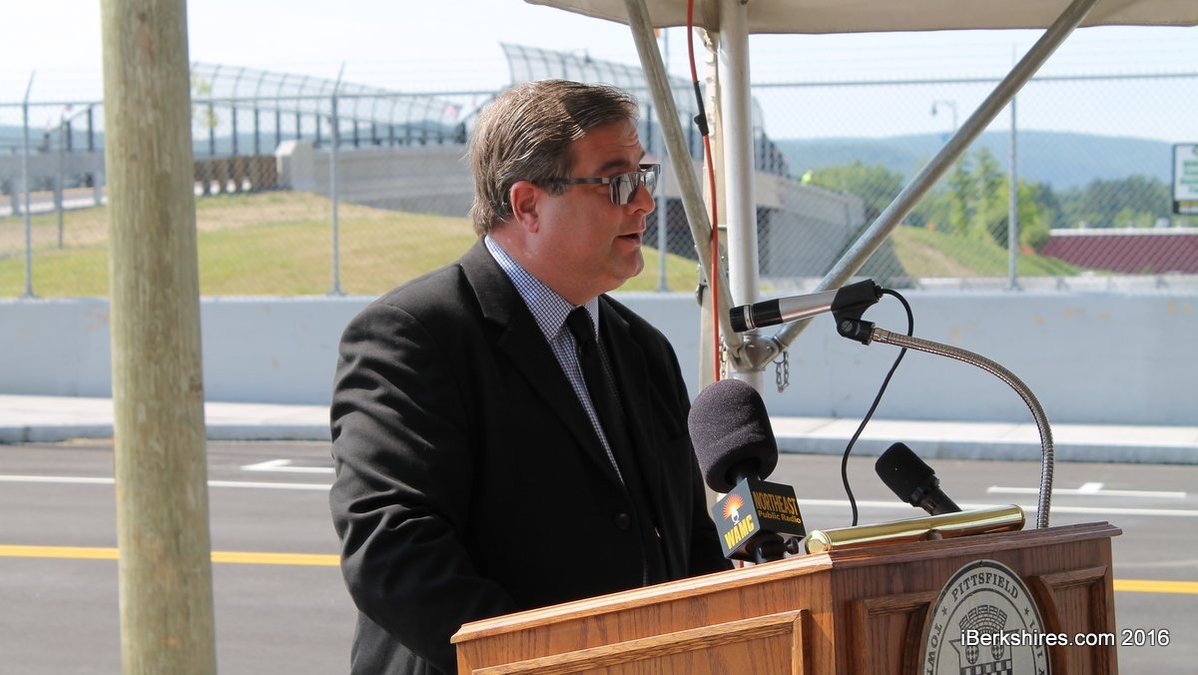
PEDA Executive Director Corydon Thurston said the bridge will now provide visibility to the William Stanley Business Park in the agency's attempt to redevelop the former GE land.
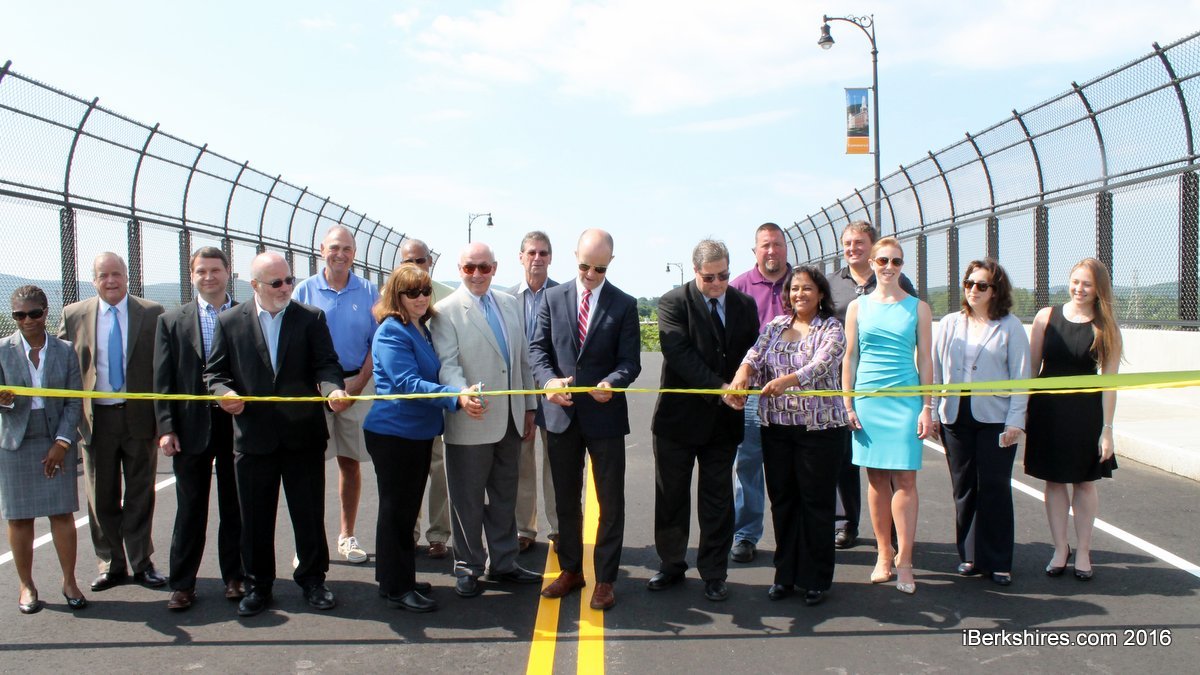
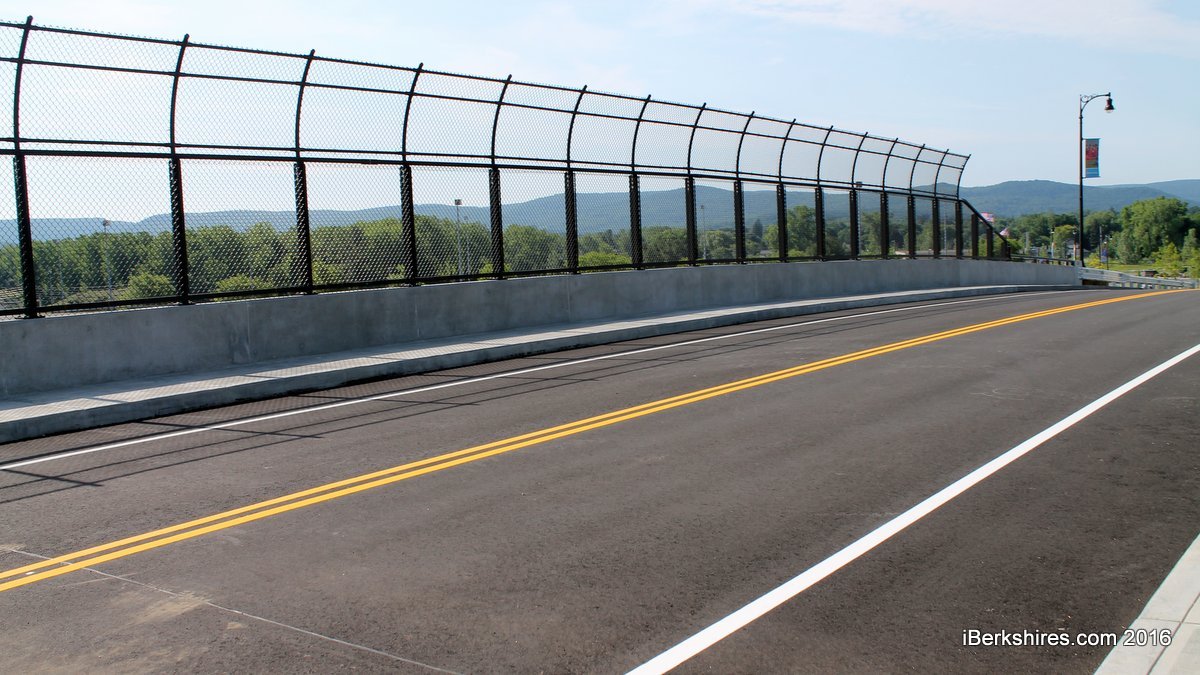
The Woodlawn Avenue Bridge is finally opened after being closed for a decade. City, state and Pittsfield Economic Development Authority officials celebrated the re-opening of the north-south connection between the Morningside Neighborhood and East Street.
The bridge used to be own by General Electric and was closed in 2006 and was demolished in 2012.
The reconstruction lifts the bridge high enough to allow double-decker trains to fit underneath and cost the state $4.5 million. After multiple delays and a funding gap, construction finally wrapped up this summer and the road is now back in the city's possession.
"Today is kind of a historic day for Pittsfield," PEDA Executive Director Corydon Thurston said.
The connection is being heralded by city and state officials as being one that will help economic development in both the Morningside area and the William Stanley Business Park, improve public safety response time, and support pedestrian travel among neighborhoods.
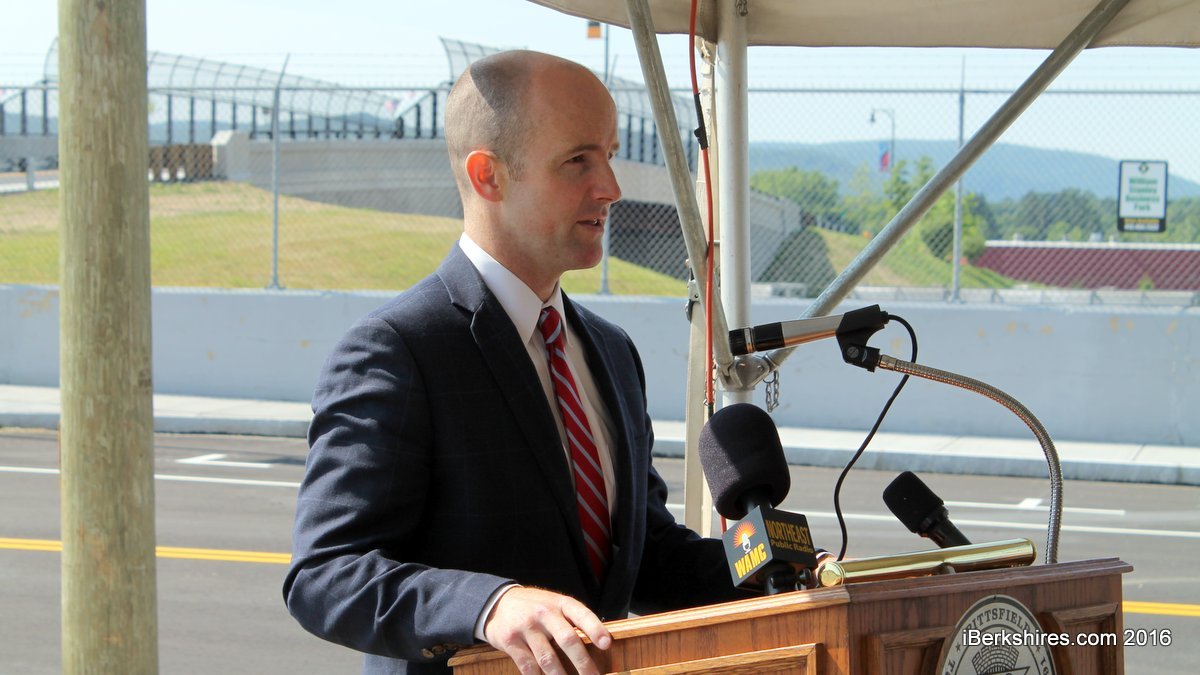
"This bridge symbolizes a pathway to connecting neighborhoods," City Council President Peter Marchetti said in accepting the span as a city street.
The land was transferred to PEDA in 2011 but a funding gap delayed the project. It was complicated partly because of the number of entities involved including GE, PEDA, railroad company CSX, the state Department of Transportation, and the city and state governments (including the state Department of Environmental Protection) all playing a role.
State Sen. Benjamin Downing, D-Pittsfield, headed the effort for an additional $2 million in a 2012 transportation bond bill to complete the project and design work but the need for further property takings continued to delay it. In 2014, the project went to bid and construction began in 2015.
Downing said the city could have given up on the bridge at any point in the last decade. But officials didn't rest and continued to promote and work on securing the funding.
"We shouldn't settle here in Pittsfield. We deserve the best," Downing said.
The road cuts through the business park and the site "represents so much potential for the city of Pittsfield." MassDOT District 1 Highway Director Francisca Heming said the bridge is a model of the department's goal — to connect people and businesses.
"This bridge is a perfect example of what transportation is all about," Heming said. "Projects like this show how government can make a positive impact."
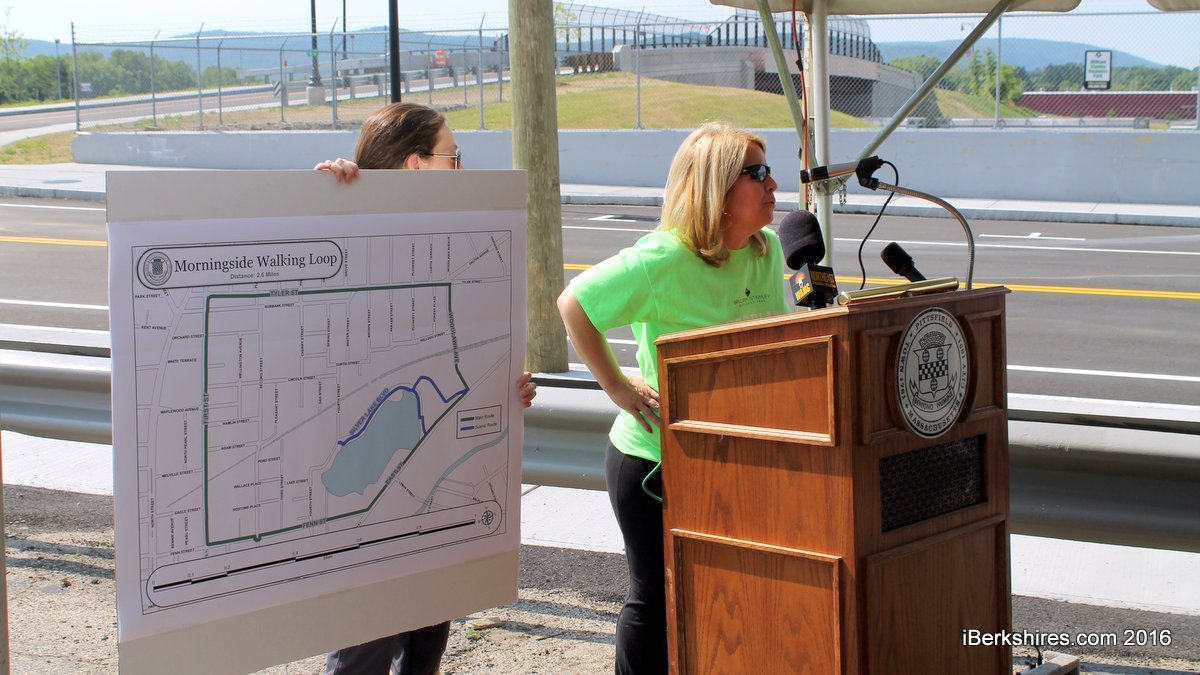
Morgan Ovitsky of Be Well Berkshires and Diane Marcella of the Tyler Street Business Group agree. The opening of the bridge finishes a 2.5 mile walking loop the two plotted out in 2015 to encourage healthy living.
PEDA officials hope the increased visibility of the park will help its development. In 2011, the development of a 1.3 acre parcel hinged on the bridge when Action Ambulance announced it was looking to open a new headquarters there. The company said the bridge was instrumental in providing access for ambulances to quickly get to all parts of the city. Since the bridge was delayed multiple times since then, the company hadn't closed on the deal for the parcel nor is it known if it is still interested.
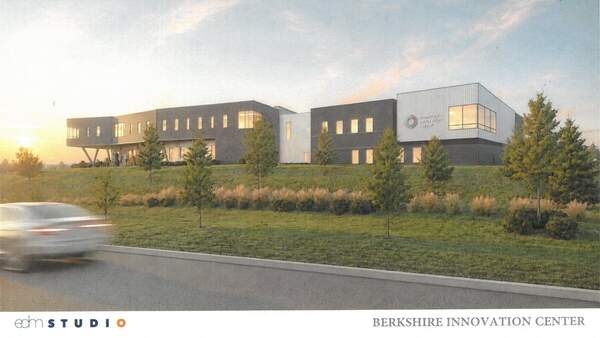
The Berkshire Innovation Center — still short on funds — is proposed for site along the route of the bridge. Also along the route is the proposal for the construction of a new Walmart. Neither project is a certainty at this point but the Woodlawn Avenue Bridge does increase traffic flows through the park.
"It will create much-needed visibility to the William Stanley Business Park," Thurston said.
Tags: bridge project, business development, business park, PEDA, ribbon cutting,