Pittsfield Police Advisory Board Learns High-Speed Pursuit Policy
PITTSFIELD, Mass. — When two men came whipping into the city with police on their tail in March, residents didn't see Pittsfield Police officers hanging out the window trying to shoot out the tires. That only happens in movies.
In fact, residents didn't see Pittsfield Police on the suspect's tail at all. Chief Michael Wynn told his officers not to pursue because the policy of the department is that if a pursuit comes into the city from another jurisdiction, Pittsfield officers don't join unless they are asked to.
Residents didn't see a "parade" of vehicles on the suspect's tail either. That type of action is a thing of old. Now if a car chase happens, Pittsfield Police will have two or three vehicles following it -- the primary pursuit officer, a backup handling communication, and maybe a supervisor overseeing and calling the shots.
Inside the dispatch center, a commander will be following the action in real-time and if at any point he feels the risk outweighs the reward, he'll stay stop and the officers will terminate.
"We want a police commander who can make a decision leaning over the dispatchers," said Wynn.
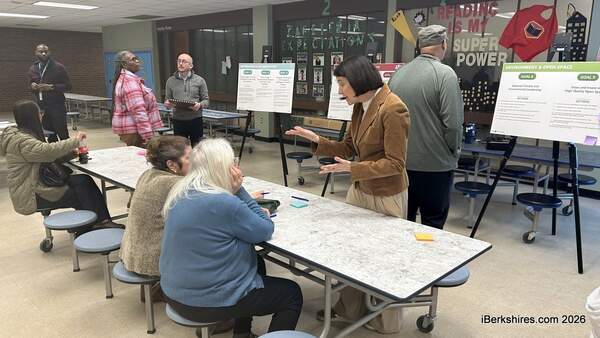
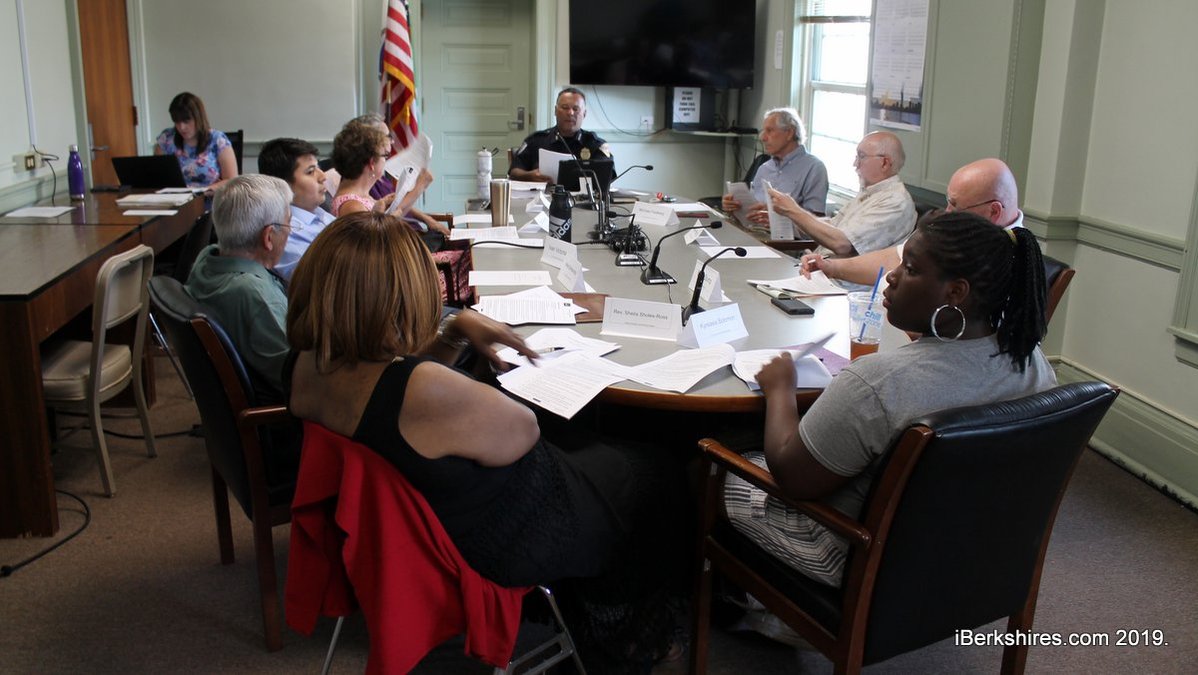
Police pursuits are thought out and Wynn outlined the policy to the Police Advisory and Review Board on Tuesday.
Whether or not a pursuit is started or halted is a balance between whether or not the apprehension of the suspect is more important than the risk.
Officers considering pursuit of a vehicle are asked to weigh the following factors:
- The seriousness of the suspected crime and the risk the person is to the community.
- The importance of arresting the individual compared to the risk of hurting other motorists or pedestrians.
- The amount of risk to pedestrians and vehicle traffic in the area, including speed and locations like school zones.
- How well the officer knows the road, the quality of radio communications, and the driving skills of the officer.
- The weather or other road conditions that can increase the danger of a pursuit.
- If the identity of the suspect is known or not -- i.e. if they know who the driver is and where they live, they can just arrest the suspect later.
- The condition of the vehicles and performance.
- The lighting and siren limitations of the vehicle -- i.e. an unmarked car's lights are not as visible to the public.
- The speed of travel.
- If other people are in the pursued vehicle.
- The availability of other resources such as air support.
- And whether the pursuing vehicle is carrying a passenger, such as transporting a suspect.
"By and large, we try not to pursue motorcycles," Wynn added, because of the danger.
During a chase, officers have a number of driving techniques. Police can deploy road spikes. The officers can box them in. In rare occasions, an officer could ram a vehicle. Each technique is determined by the supervisor, who gives the OK to the officer to do so.
"We don't allow, unless there are extraordinary circumstances, to attempt to stop a vehicle," Wynn said.
For example, Wynn said, one year there was a pursuit on Merrill Road. It was late, the driver was intoxicated, and there were no other cars on that stretch. In that case, the officers boxed the the car in, and slowed down to get the driver to stop - the vehicles never touched. In other circumstances, the officers may have just abandoned the pursuit altogether.
But officers are not advised to shoot at a vehicle -- though Wynn said in rare occasions the special response team could if they are chasing down a murder suspect or something significant. There is also a lesser chance to see road spikes because Wynn said the amount of usage hasn't justified the cost of training in the past so the department only has a few to deploy.
The city doesn't use roadblocks very often either because, as the chief said, those are "incredibly dangerous." Nor will city officers bump the car to get it to spin out as that is prohibited by the department.
Wynn said before it used to be a "parade" of vehicle pursuing with the first cruiser calling the shots. That takes a lot of attention and not what officers do now.
"Their responsibility should be driving to stay in the pursuit," he said.
A secondary car would be handling the communications, dictating what's happening over the radio, and relaying messages to the rest of the force.
The rest of the officers are supposed to continue their regular patrols but can serve the purpose of blocking intersections if needed.
Dispatch, meanwhile, has a number of responsibilities including clearing radio channels, coordinating the communications between officers, broadcasting pursuit updates, notifying supervisors and other agencies, and assigning the incident number and logging all of the pursuit activities.
And as the supervisor listens in and weighs the risks, when does a chase halt? Obviously, if the suspect is caught. The department's policy includes a reminder to officers that when it ends, the officers need to calm down and make the arrest as normal.
"You have to come back down to the baseline and go make the arrest," Wynn said.
And, obviously, if the vehicle evades police. Then the lights and sirens go off and it becomes an area search.
But there are times when a supervisor has to make the call. The criteria include damage to the cruiser, changes in the danger level from when the chase started -- for example, if the officers leave their jurisdiction and don't know the roads as well or the weather changes or the speed increases.
The policy is a newer one for the department and just the latest reviewed by the board. The board also reviewed the paperwork regarding the 2016 incident with now retired Officer Dale Eason. Wynn said there are a couple of more internal affairs cases nearing closure, however, that the board will have an opportunity to review in the coming future.
Tags: police advisory,