Hancock Shaker Village Announces Plans to Reimagine Visitor Center
 PITTSFIELD, Mass. — Hancock Shaker Village is embarking on a journey to reimagine its visitor center.
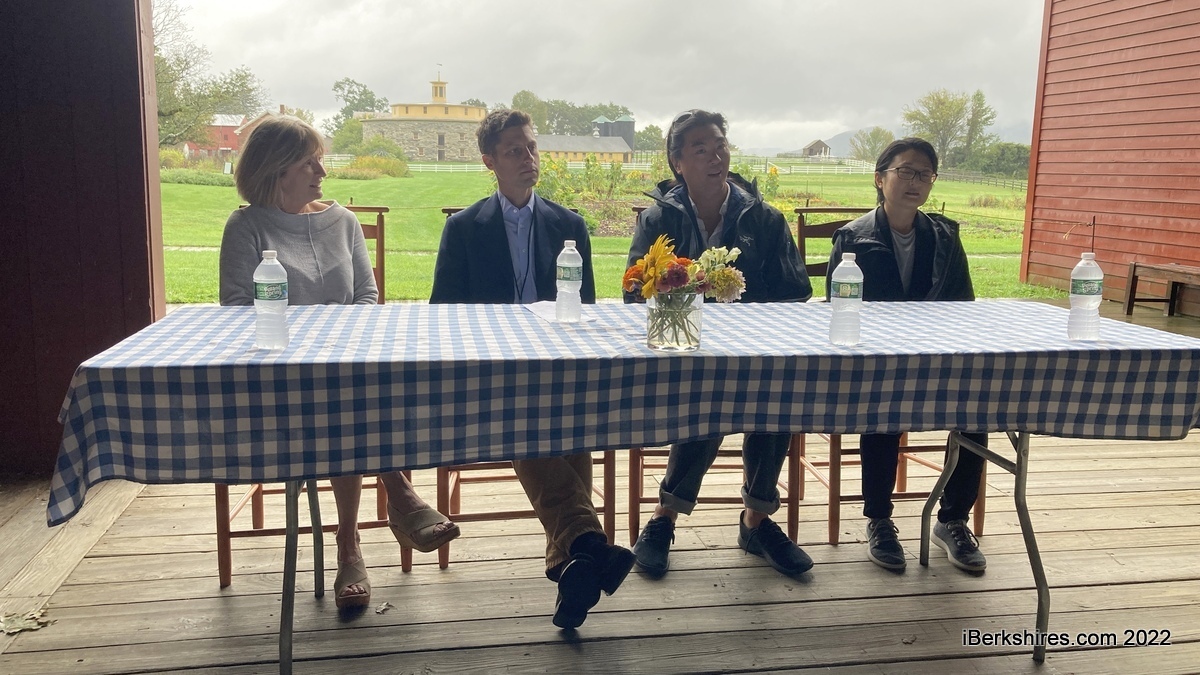
New Executive Director and CEO Nathaniel Silver and his predecessor, Jennifer Trainer Thompson, announced Thursday that TSKP x IKD Architects — based in Boston and San Francisco — has been hired for the task.
Silver said the firm will work with the museum on a master plan and make the center "transformative for the visitor experience."
"It will allow us to give visitors the kind of introduction and backgrounds that they need and that they deserve," he explained. "And will allow us to enhance our unparalleled collection that we have here and protect it for the future."
The cultural institution is in the very early stages of planning but intends to include a vault, library, reading room, digital media room, and climate-controlled collection storage in the final design.
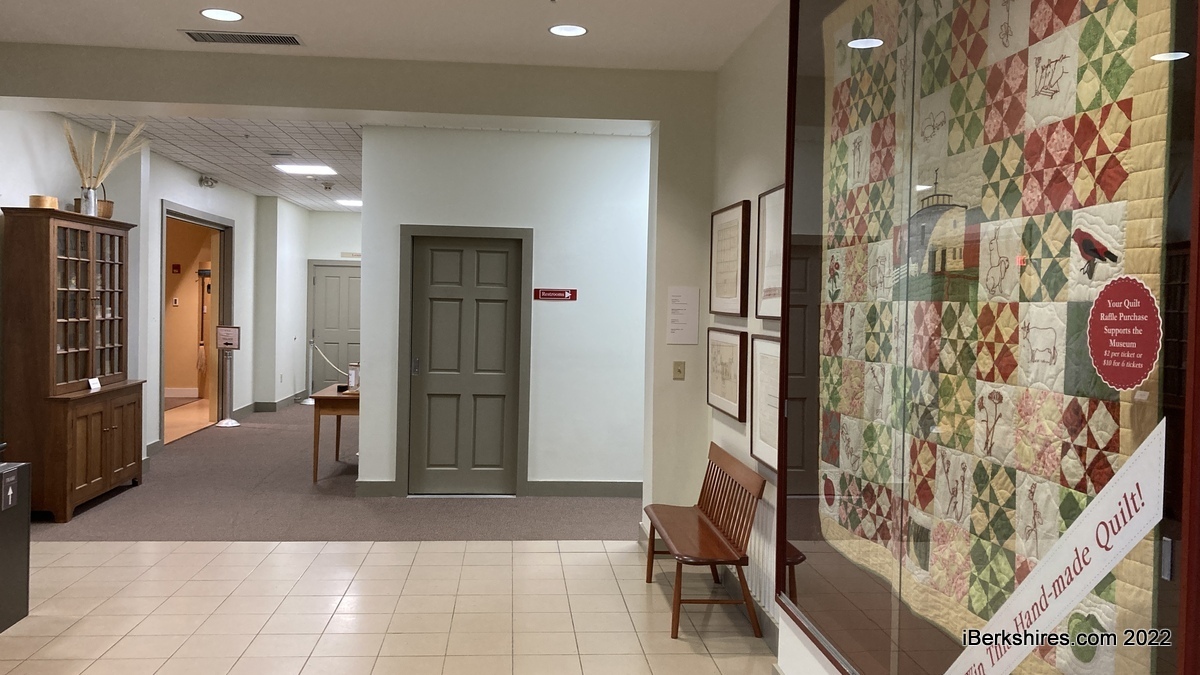
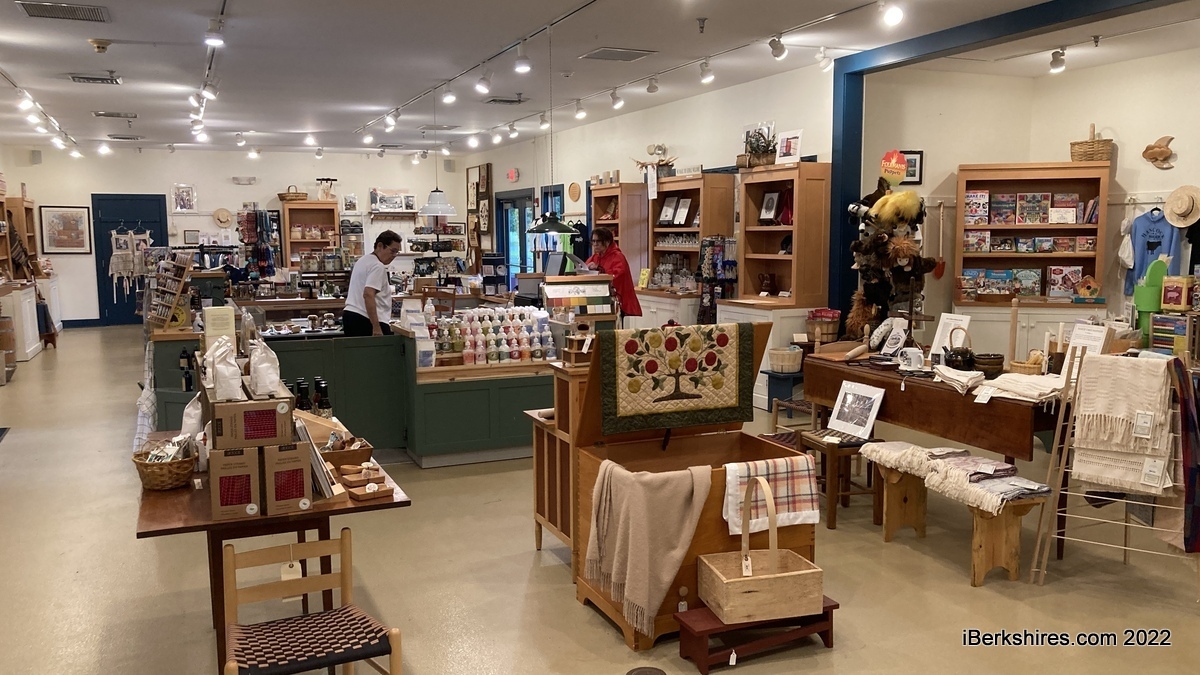
The visitor center is the main entry point to the 62-year-old museum and was built over 20 years ago. It includes the welcome center where tickets are purchased, exhibition rooms, and also the museum store, the cafe and more. TSKP x IKD will also create a master plan for these areas adjacent to the visitor center.
"I'm so thrilled with these developments. Twenty-two years ago, when this was built, it was always the dream to have collection storage on the second floor of the visitor center so, in many ways, this is the realization of the dream and something that the village has been working on quietly for a few years," Trainer Thompson said.
"But in February, the building committee, which is being chaired by Harlow Murray, really cranked up and went through an entire process, request for proposals, interviewed dozens of architectural firms, and was so pleased to find [TSKP x IKD] and to select them."
A cost estimate has not yet been released but construction is expected to begin in fall 2023 and run for about a year. The process will likely require fundraising.
The design firm, comprised of Yugon Kim and Tomomi Itakura, has worked with more than 35 museums and is currently working on an overhaul of the Berkshire Museum's main floor.
"When Tomomi and I first started the firm 11 years ago, this is the kind of project that we envisioned the office being built for," Kim said.
The duo said that they are unique in their work because Itakura looks at the objects and Kim looks at the building, creating a parallel track where they simultaneously look from the object out and from the building in.
'In many kind of museum projects, it's not always that way, it's usually the building and then the objects are fit within that," Kim added.
"So there will be a continuous dialogue between what is the right size and scale of display areas, what is the kind of display experience that the village would like to showcase to highlight the collection. And so there will be a real kind of synergy and melding between interior and exterior to figure out what is the right amount or number."
There are roughly 22,000 objects in Shaker Village's collection, including everything from furniture to small objects to clothing and textiles. Silver, who was on his fourth day on the job, said he was astonished by the diversity of the objects and their quality when given a grand tour.
"The brilliant colors of the Shakers that perhaps some people don't realize or don't appreciate are something that we will be able to highlight in a new way with this kind of project," he said. "And really giving visitors the full picture of a panorama of what that collection includes in a way that does it justice."
It is not yet determined how many objects will be in the new displays but it is a priority to reorient the collection at the beginning of the experience to open up a narrative and make it more accessible.
The plans include two or three galleries on the first floor and collection storage.
Trainer Thompson explained that the museum's curator has pointed out that there are very few textiles in the period rooms because there is no heat in a number of the buildings.
"They were mostly women's work and this is a place where that could really be featured as a highlight because so much of it is in storage," she said, adding that they have a piece of the village's founder Mother Ann Lee's dress from the 1770s.
An 11-member building committee selected TSKP x IKD from five firms. Director of Development John Skavlem pointed to the Shakers' values in accessibility, sustainability, and inclusivity and how they are embraced by the firm.
Kim explained that the firm is minority and women-owned and feels they are the kind of team the Shakers would want to execute this project.
"If you look at our portfolio, you'll see we don't really have a style, we go into every project looking for the right solutions for that particular project," Itakura said.
"So we're, I hope that the portfolio will like our the way we think and the way that we go into a project. For a project like this, we really want to embody the Shaker values and come up with the right solutions."
The village has been planning to overhaul the visitor center since 2018 but their have been delays due to the pandemic. The building committee was formed in February and the firm was chosen last month.
"This has been a this has been a major priority and interest of the board and so the conception is not new, but moving forward with this firm with a concrete project, that's what's new," member Bob Plotz said.
He added that the board was pleased with how many firms responded to the request for proposals and that on a personal note, said that some of the firm's presented work was almost "mind-blowing."
Tags: Hancock Shaker Village,