State Gets Millions for COVID-19 Testing Costs

Print Story | Email Story
BOSTON — The Federal Emergency Management Agency will be sending nearly $4.5 million to the Commonwealth of Massachusetts to reimburse it for the cost of providing testing for daycare facilities during the COVID-19 pandemic.
 
The $4,480,000 Public Assistance grant will reimburse the Massachusetts Department of Early Childhood Education and Care for contracting to provide testing services for early education and care (EEC) affiliated providers, staff, children, and families between March 2021 and June 2022.
 
The contractor operated mobile specimen collection sites, provided all equipment necessary for site operations, confirmed eligibility for testing, and handled collection and transport of all specimens.
 
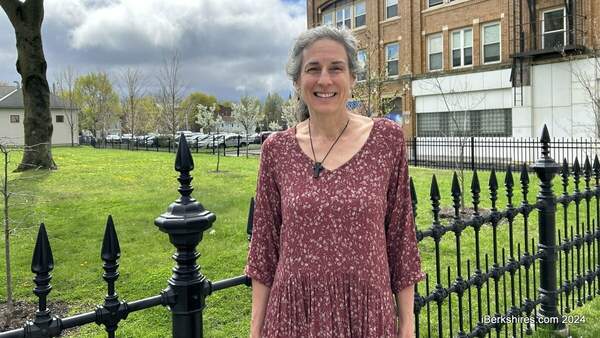
"FEMA is pleased to be able to assist the Massachusetts Department of Early Childhood Education and Care with these costs," said FEMA Region 1 Regional Administrator Lori Ehrlich. "Providing resources for our partners on the front lines of the pandemic fight is critical to their success, and to our success as a nation."
 
FEMA's Public Assistance program is a source of funding for states and communities recovering from a federally declared disaster or emergency.
 
So far, FEMA has provided more than $1.5 billion in Public Assistance grants to Massachusetts to reimburse the commonwealth for pandemic-related expenses.


Tags: COVID-19,   FEMA,   


More Coronavirus Updates
Keep up to date on the latest COVID-19 news:


If you would like to contribute information on this article, contact us at info@iberkshires.com.

Scenic Vistas, Open Spaces Central to Berkshire's Rural Character

By John TownesSpecial to iBerkshires
This is the first of a two-part series looking at types of land trusts, their missions and their place within the Berkshires.
 
Land is an essential resource for life. We all spend the vast majority of our lives directly connected to the land or in structures built on it. Land is also a central core of the global ecosystem that makes the earth sustainable for all lifeforms.
 
The landscape has special significance in the Berkshires. It is a central element in the region's scenic rural character and quality of life, as well an economic resource that is a basis of tourism.
 
Access to land, and control of its use, is largely based on ownership. This system enables people to own homes, build businesses, establish communities, and pursue other goals and activities.
 
However, the private use and control of land can also be a source of contention and conflict — from debates about development at local planning boards to international wars over territory.
 
Traditionally, local and regional planning policies and regulations such as zoning have been used to balance the concepts of private ownership with shared public goals and needs. In addition government ownership provides land for schools, roads, infrastructure, parks and nature preserves, and other public purposes.
 
In recent decades another form of land ownership and control has gained increasing visibility and prominence. This concept is often known as land trusts.
 
View Full Story

More Pittsfield Stories