Dalton Fire District Tax Rate Increases

By Sabrina DammsiBerkshires Staff
Print Story | Email Story

DALTON, Mass.—The Massachusetts Department of Revenue approved the Dalton Fire District tax rate of $1.19 per $1,000 property value. 

The tax rate has increased by 36.78 percent, or .32 cents, from last year's rate of 87 cents per $1,000 property value.

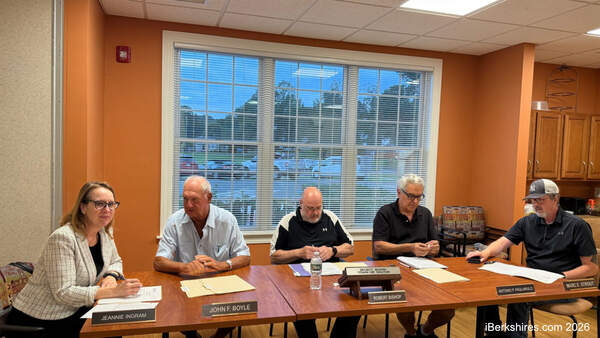
The Dalton Fire District prudential committee voted to maintain a single-payer tax rate as they have done for many years. The tax bill will be sent to 2,675 ratepayers. 

The district’s tax rate is set according to its yearly budget. During the Fire District’s annual meeting, voters approved budget articles amounting to approximately $3 million. 

"The difference in [fiscal year] 23’s budget to FY24’s budget is almost $200,000.00 which makes the tax rate higher," District Treasurer Melanie Roucoulet said. 

Driving forces that increased the budget were related to pay increases of various district staff, budget increases for multiple accounts, funding of new accounts, and increased costs for maintenance and equipment. 

The district voters increased the Fire Department's reserve for contingencies account to $50,000, a large jump from the previous fiscal year’s contingency budget of $10,000.

In addition to that the ambulance budget increased 19 percent bringing it to $703,506. The department has also budgeted $20,000 for overtime, which it did not do last year. 

More information on the annual district meeting here.


Tags: fire district,   

If you would like to contribute information on this article, contact us at info@iberkshires.com.

Dalton Board of Health Updates Food Permit Fee System

By Sabrina DammsiBerkshires Staff
DALTON, Mass. — Food establishments can anticipate a change to their food establishment permit fees. 
 
The board of health approved a new permitting system that shifts away from a flat fee to a categorized system that uses the U.S. Food and Drug Administration's risk-based food establishment categories. 
 
Rather than having an "arbitrary" flat price structure that focuses on the specific type of business, number of seats, square footage, and other factors, the new system categorizes establishments based on a risk assessment, Berkshire Regional Planning Commission Health Agent Jazu Stine said. 
 
Under this new system, an establishment's risk level category dictates how many times a year they need to be inspected, he said. 
 
The more inspections needed, the higher the permit fee should be to cover the cost of doing Inspections, Stine's proposal said. 
 
"[We're] trying not to lose money by doing a lot of inspections that you're not really getting paid for,"Board member James "Jimbo" Doucette said. 
 
"Unfortunately, I mean, I think we can all attest to just like everything in the world is getting rapidly more expensive in the past few years," Stine added. 
 
View Full Story

More Dalton Stories