North Adams Officials Mull School Closure
NORTH ADAMS, Mass. — School officials are eyeing an accelerated closing of an elementary school as they prepare for the coming fiscal year's "fiscal cliff."
A draft budget for fiscal 2025 is up $2,430,054, a 12 percent increase over this year. This is largely being driven by three factors: contracted obligations, higher costs related to out-of-district placements and the loss of nearly $1 million in ESSER funds.
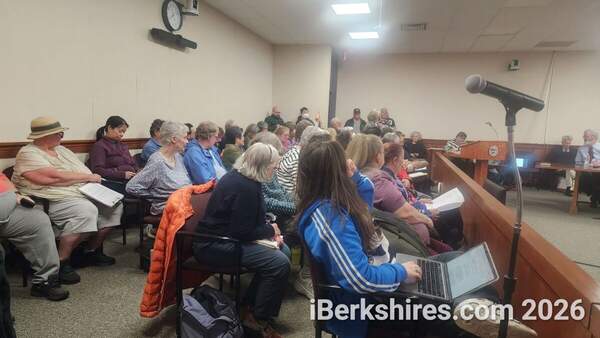
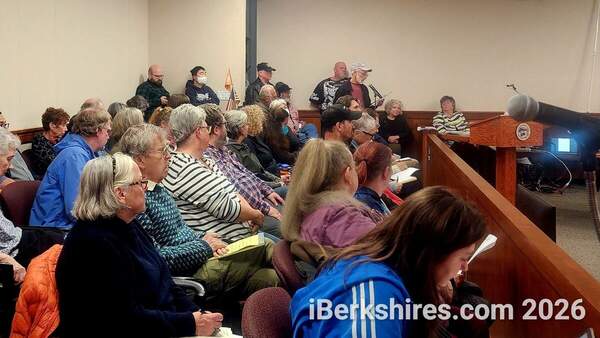
Administrators presented the initial figures to the Finance and Facilities subcommittee on Monday morning along with preliminary proposal to close Greylock School to offset costs.
The subcommittee wasn't ready to make any decisions, asking administrators to come back with more details about combining elementary schools. The subcommittee will meet again next Monday.
Mayor Jennifer Macksey cautioned later that "nothing is set in stone" regarding closures.
Superintendent Barbara Malkas said administrators are looking to the subcommittee for direction on "where do we go from here to fully flesh out and develop a budget for infrastructure."
She reminded the subcommittee that this was a conversation that occurred in 2020 in light of declining enrollment and that it was ESSER funds that kept all three elementaries open the last few years.
The federal Elementary and Secondary School Emergency Relief funds were distributed over three programs to help public schools during the pandemic. But those funds are now drying up.
"We did have the investment of our ESSER funds in order to help us maintain three elementary schools mainly because we needed them for physical distancing, particularly when returning to school," said Malkas. "We now are coming to the end of ESSER funds in September 2024 so we will no longer have those additional federal monies in order to help operate our schools."
The schools will lose some $918,658 for positions funded through ESSER. Three positions will be removed from those funds by not filling two (a floating nurse and computer tech that are already vacant) and funding a reading specialist through another grant. This still leaves $778,838 to cover.
Contractural obligations are up by $565,529; of that $374,176 is for salaries and $191,353 for busing and other costs.
Special education placement is estimated to increase by more than $1 million this coming year.
There was a 14.5 percent increase in out-of-district tuition last year and another 4.5 percent this year, not including transportation costs. The state Operational Services Division sets tuition rates for private special education day and residential programs.
Malkas said the number of students who need this high level of service has also increased with the district forecasting 21 will be in the program this coming year.
Director of School Finance and Operations Nancy Rauscher agreed.
"Since COVID, we've seen the numbers actually increased dramatically here in terms of the cost of tuition as well as the student aid and number of students served," she said. "Before we even get to relief that's provided through something like circuit breaker, the district is obligated to have committed or paid $51,721 per student before you even get the 75 percent reimbursement."
That has administrators wondering if they should be making high cost investments in "a building that is scheduled to demo," said Malkas.
The city is seeking to build a new school to replace the aged and deteriorating Greylock School that would house pupils from Greylock and Brayton. The new school is expected to open in September 2027.
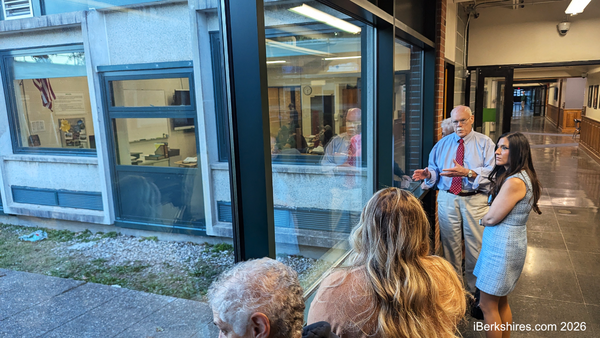
In the meantime, there are concerns that Greylock School's boilers won't last through another year (or this one), among other building problems. Malkas said she's had to use overtime to have someone keep going in and check that the boilers were running over a frigid weekend.
Sending Greylock students to Brayton Elementary would save an estimated $750,000. Brayton, built for 550 students now has only 213; Greylock has 315.
The subcommittee discussed the idea, thinking it could actually be less disruptive to have the children away from a building site. They asked for more information on instituting the new grade configuration if the schools were combined, but made no commitment as this point to recommending a school closure to the full School Committee.
"These decisions require an incredible level of logistical planning," said Malkas. "We would need to go through some impact bargaining preparation, multiple logistical considerations so that we would be prepared for whichever budget scenario ultimately is going to be where we land for FY 25. ...
"And that we would have sufficient time to do that and do that in a meaningful way so as to minimize the level of disruption for our students."
Tags: fiscal 2025, NAPS_budget,