North Adams Council Passes $65M Borrowing Authorization
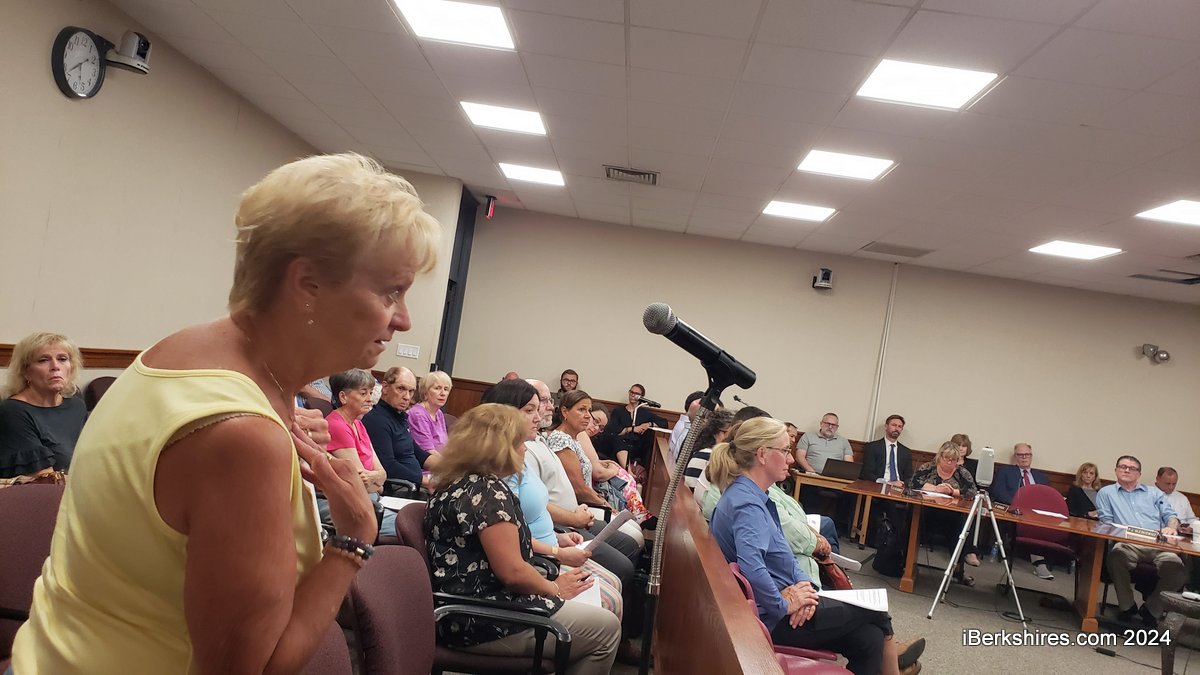
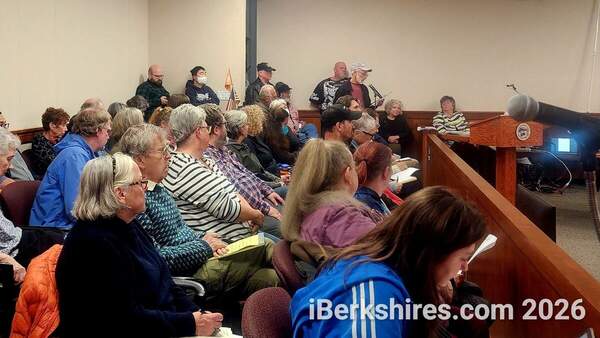
Diane Morrisey questions spending $20 million on a school and its impact on taxpayers, saying many people she's talked to feel the same way.
Voters will weigh in on Sept. 24 with a ballot vote to exclude the debt from Proposition 2 1/2 limits. Officials say the failure of the vote would mean millions having to be invested in Brayton with no corresponding match by the state.
The 30-year tiered loan for about $20 million is expected to have its highest impact in 2029 when it will add $270 to the average tax bill, or about $22.50 a month.
"I have often said that our greatest asset is our students and we should invest in them wisely," said Mayor Jennifer Macksey. "Now is the time to seize this tremendous opportunity that has been presented to us from the MSBA."
The proposal also found support from two former mayors — Thomas Bernard and Richard Alcombright, who sits on the School Building Committee.
Alcombright, who oversaw the renovation of Colegrove Park Elementary School during his tenure, echoed Macksey that the only money the city invests is "to educate our kids. The only one. The rest is simply to pay the bills."
"While we are not Andover, and we're not Newton, and we're not Weston, we're not Lexington, our children deserve nothing less in the way of education than those communities," Alcombright said. "We deserve nothing less."
Resident Diane Morrisey questioned the wisdom of building a new school and pointed to a lack of maintenance over years at other public buildings that left some in critical condition.
"We build, they come, nobody maintains," she said. "All we hear is North Adams is a poor city, a poor community ... I mean, if you can't do what we need done, what is this for? To build a legacy?"
Developer David Moresi, a member of the School Building Committee and renovator of a number of historic buildings in the city, said he liked the model of building it and they will come.
"Quite frankly, I've been following that notion for about 25 years now," he said. "And it's proved to be successful. It's proved to be successful for North Adams."
Moresi said he loved old buildings but Brayton and Greylock are not in that tier structurally or educationally. If we are able to offer new schools at the elementary level, people are going to come, he said.
But if the city rejects this opportunity, he said, "MSBA is gonna say 'Good day to you,' and you're now going to be faced with a significant investment in the Brayton School."
Benjamin Lamb, also a member of the committee, a parent and an economic development expert, echoed Moresi's comments, adding the county is basically at full employment and it needs to attract new people to staff the many vacancies.
"This is an incredible way of actually doing that by investing in our economy in a way that does draw a younger, newer workforce into the area that could fill those positions and also start and grow their own businesses," he said. Plus, a $65 million investment could turn into a $108 million boon to the region. "Those are real numbers that are going to make a lasting impact not just in the short term, but also long term."
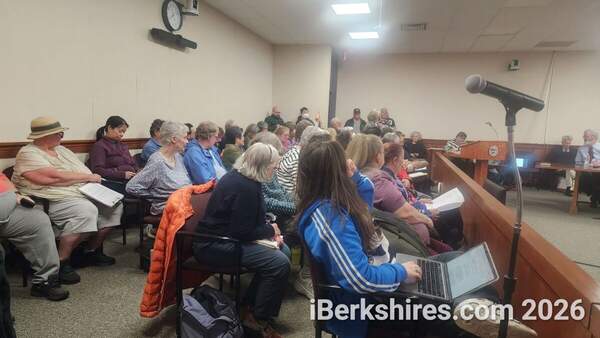
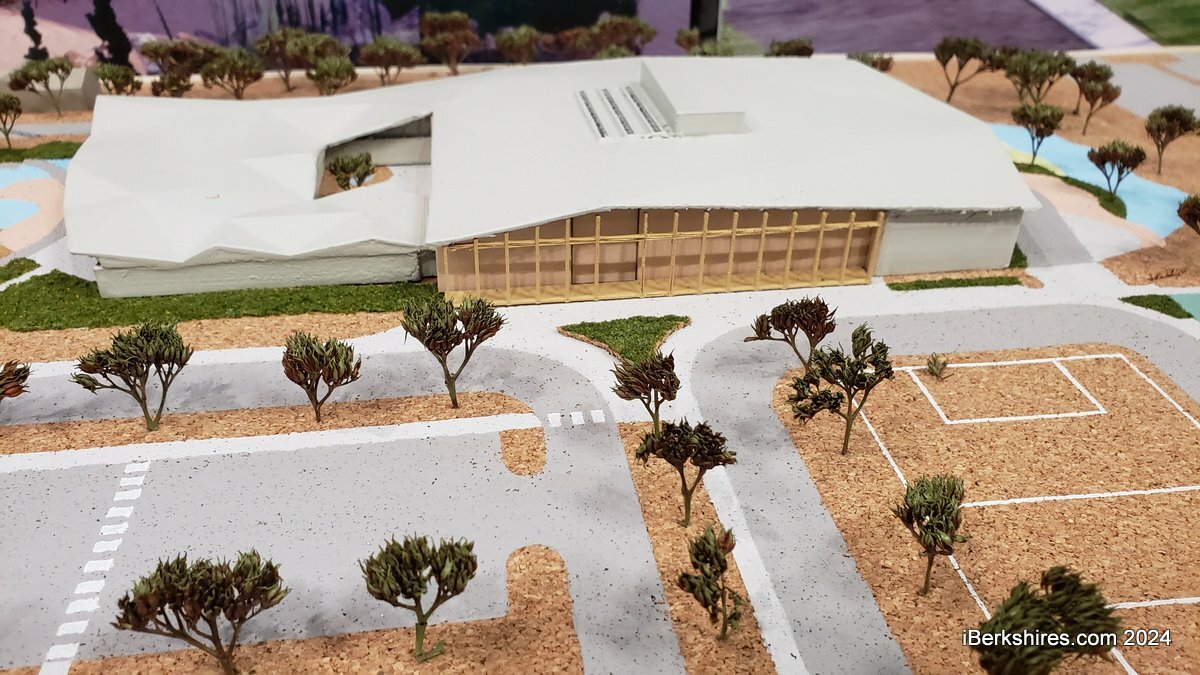
The joint meeting of the council, School Committee and School Building Committee, included presentations from project designers TSKP Studios, including one of the videos now posted on the project's website, architectural images, and a 3D model.
The School Building Committee had looked at options including additions, renovations and new builds at both Brayton Elementary and the now closed Greylock.
Jesse Saylor of TSKP reviewed the public meetings and visioning meetings with staff and faculty and working group meetings. The presentation was similar to what has been presented at School Committee and School Building Committees over the past months.
The design focuses on natural light, flexible spaces, technology, security, community spaces, energy efficiency, and better access to nature through outdoor classrooms, gardens, play areas and a recreated courtyard that will include the school's turtles.
Superintendent Barbara Malkas took the gathering through the educational programming and enrollment projections.
Declining enrollment has been a driver in some of the decisions being made within the school district, including moving middle school grades to Drury and closing Brayton and the old Greylock for a new school.
"When we hit the late 2026-2027, that area, the graph starts to level off," she said, pointing out the graph being projected on a screen. "And that means that there is no further decline. That's the projection that we will hit a place of approximately 1,100 students where it will level off and start to even out and will not drop significantly much further."
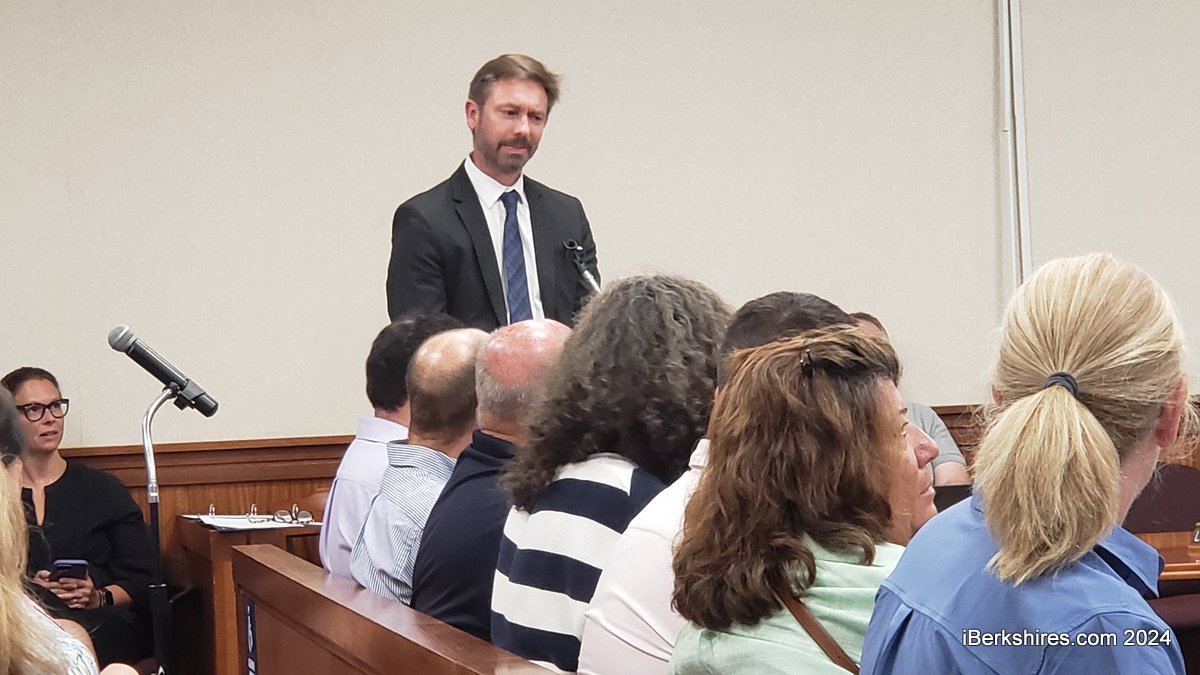
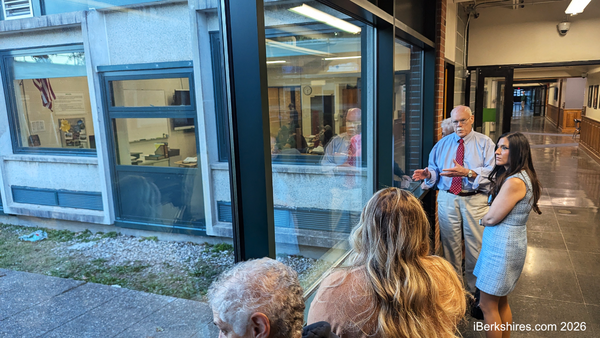
TSKP Studio's Jesse Saylor goes over the elements of the proposed school during Monday's presentation.
"Neither one of the schools — Brayton or Colegrove — by themselves would be able to provide housing for all of those students," Malkas continued. "This is through the MSBA and this study is used to then establish the square footage that will be used in the overall design."
She also pointed to the educational programming that members of the MSBA board had considered it a model for other schools.
"We had approximately 30 people involved in the development of our education plan, representing multiple stakeholders, and we met for three months over a series of weekly meetings in the development of this education plan," Malkas said.
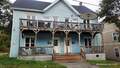
Saylor said if the vote fails, the fallback would be Brayton, which needs significant repairs to bring up to modern standards. The school was not chosen for renovation or a new build because of its difficult site and its better potential for reuse.
"There are mechanical system needs accessibility compliance issues, failing asphalt paving ... our estimate of the cost to keep the building going as an elementary school is $45 million, which would be 100 percent paid for by the city of North Adams," he said, adding trying for another MSBA project could take seven to 10 years.
Councilors asked questions about maintenance, costs, building schedules and financing and seemed satisfied with the answers. The city's financial adviser said North Adams bond rating was a single A but it would most likely bond through the state. North Adams has about $4.5 million left on Colegrove's $7.5 million price tag; it will be paid off in full by 2043.
(References to deferred maintenance prompted some push back, with Councilor Keith Bona noting all mayors have had to deal with maintaining buildings and Bernard having words with Gary Rivers, chair of the McCann School Committee, over what he felt was Rivers' personal attack on the school district's maintenance staff in saying the district needed better skilled workers.)
"At some point we're going to need a new school, You can only put Band-Aids on an old school so much. And you know, in 10 years, we could be looking at $120 million school," said Bona, who had been a member of the Colegrove Park building committee, in endorsing the project.
The vote was 8-0 with Councilor Deanna Morrow absent to pass the order to a second reading and publication. The council will vote for final adoption on Aug. 13, setting the stage for the debt exclusion vote in September.
Past articles about the project
North Adams Council to Vote on Greylock School Project
MSBA Board Shifts Greylock School Project into Funding Phase
North Adams School Officials Vote for New Greylock School
North Adams School Building Committee Gets First Look at School Options
School Subcommittee Recommends Closure of Greylock
Geothermal System Recommended for New Greylock School
Tags: brayton/greylock project, Greylock School, municipal borrowing,