AYJ Fund Celebrates 10 Years of Supporting Cancer Research, Children
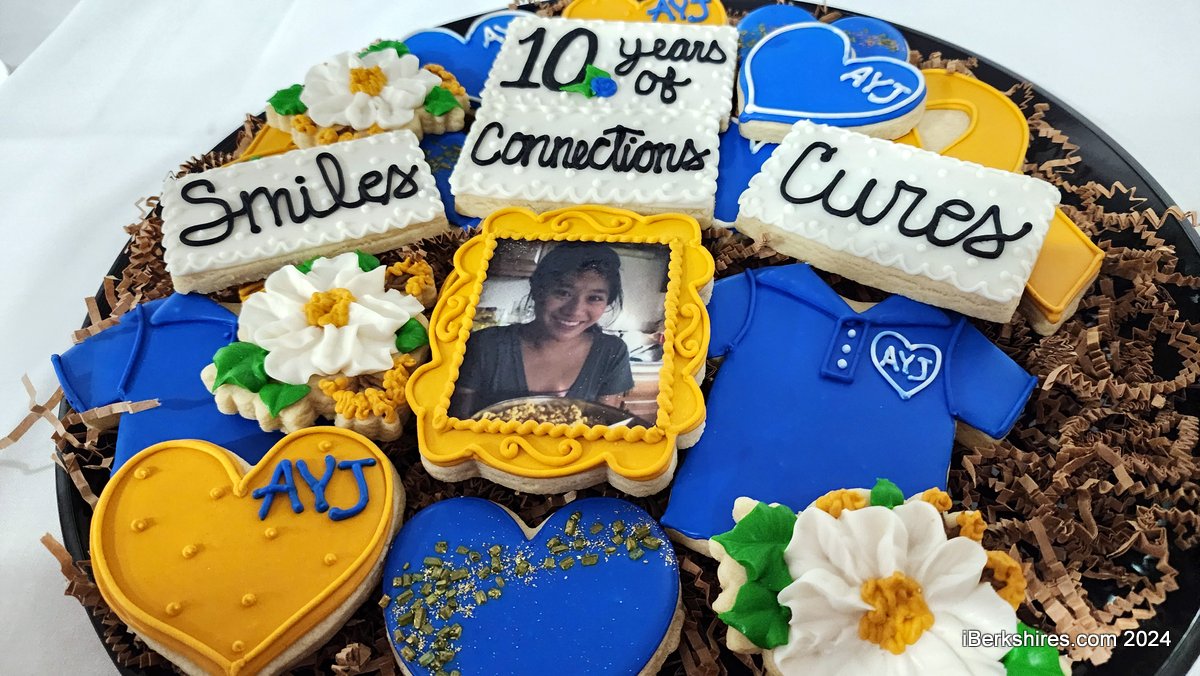
Anna Yan Ji Arabia's fight against cancer inspired her parents to help other families find a cure.
Kathy Arabia said they'd hoped to raise $1,000 — and instead raised 11 times that amount.
"We raised $11,000 and that all went to research and it's been incredible since then," she said. "It's made this possible and we are working on our next research project that will be funding also."
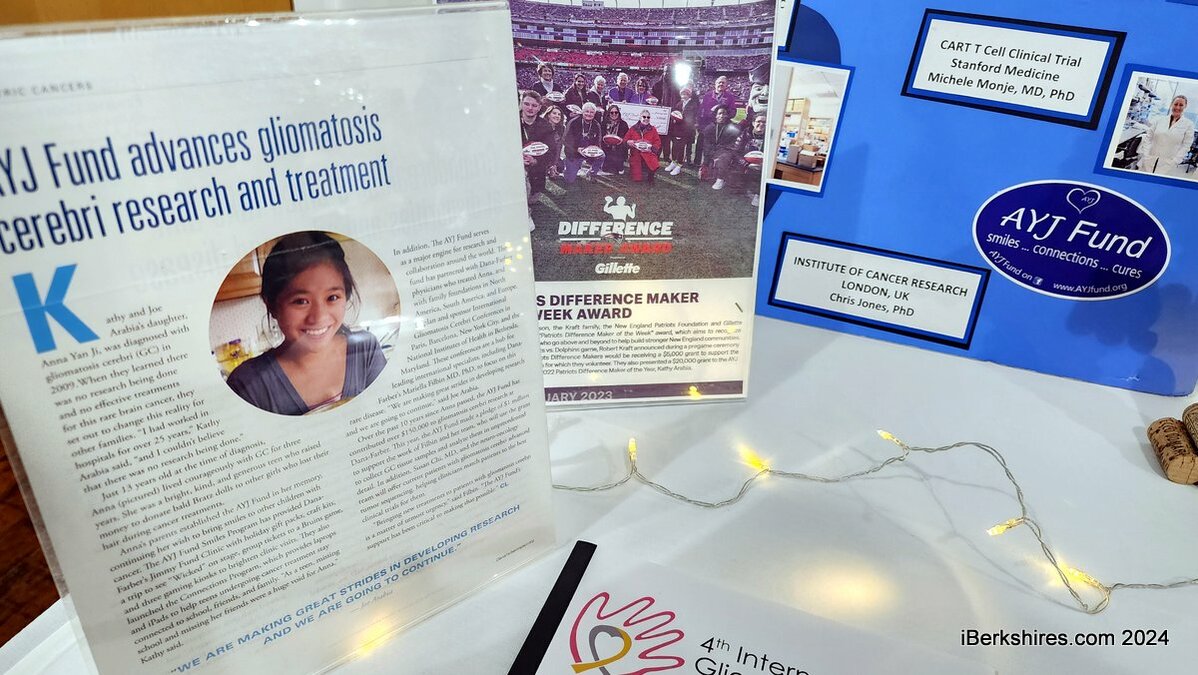
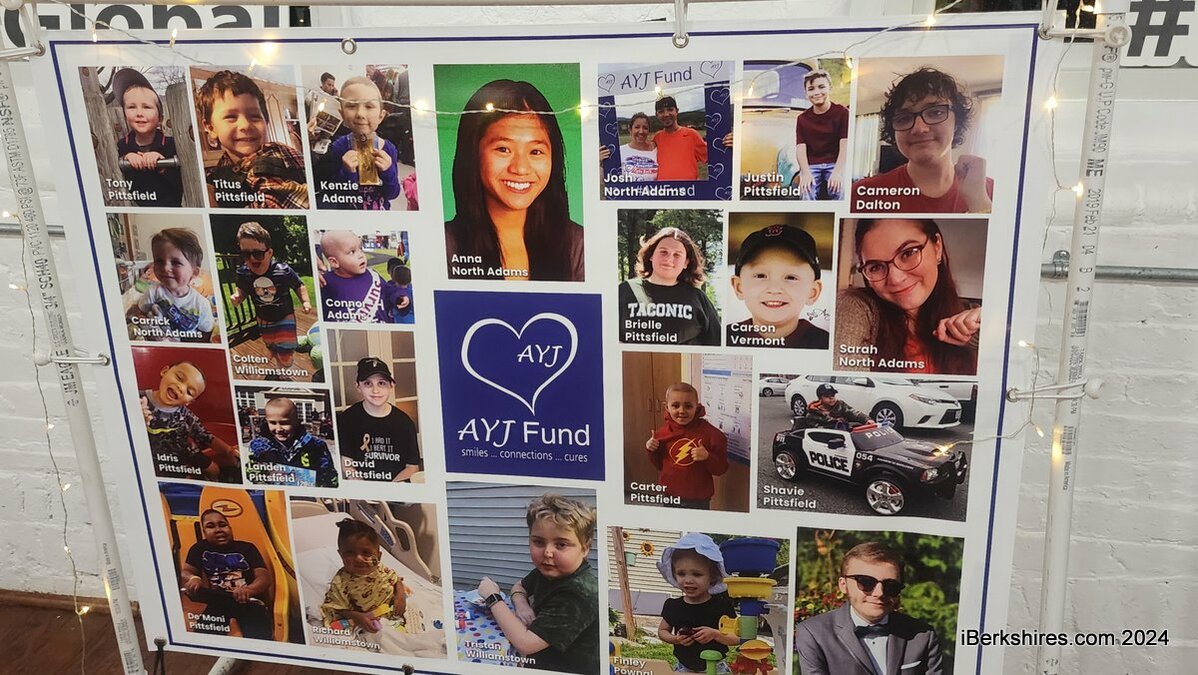
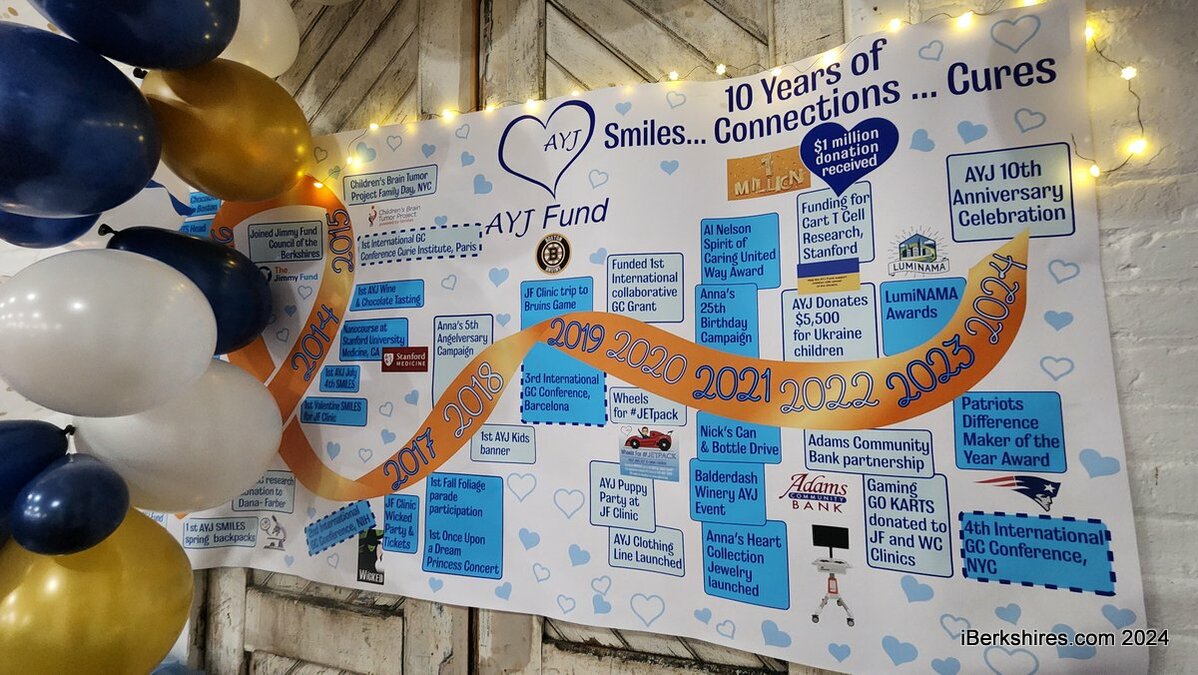
Over the past 10 years, the AYJ Fund has committed $1.3 million to research and helped in hosting the first conferences on gliomatosis cerebri, the brain cancer that Anna fought against for three years of her young life. The fund has also helped numerous local children and their families who are dealing with a cancer diagnosis through its programs.
Anna was only teenager but was making life-altering decisions with her parents and doctors as she went through four clinical trials and 10 different radiation treatments.
"[Anna] was treated at Dana-Farber with the best medical care possible at the time, but there was no research being done on this type of tumor. And they tried everything possible for her but in addition to just the diagnosis isn't just the cancer itself. It's all of the side effects and the delays and the changes in treatment and hearing that this didn't work and trying a new option," said Kathy Arabia.
"We had so much support from our family, our friends, this entire community. A number of different organizations. And because of that, we knew we had to do something else to help some of the other children."
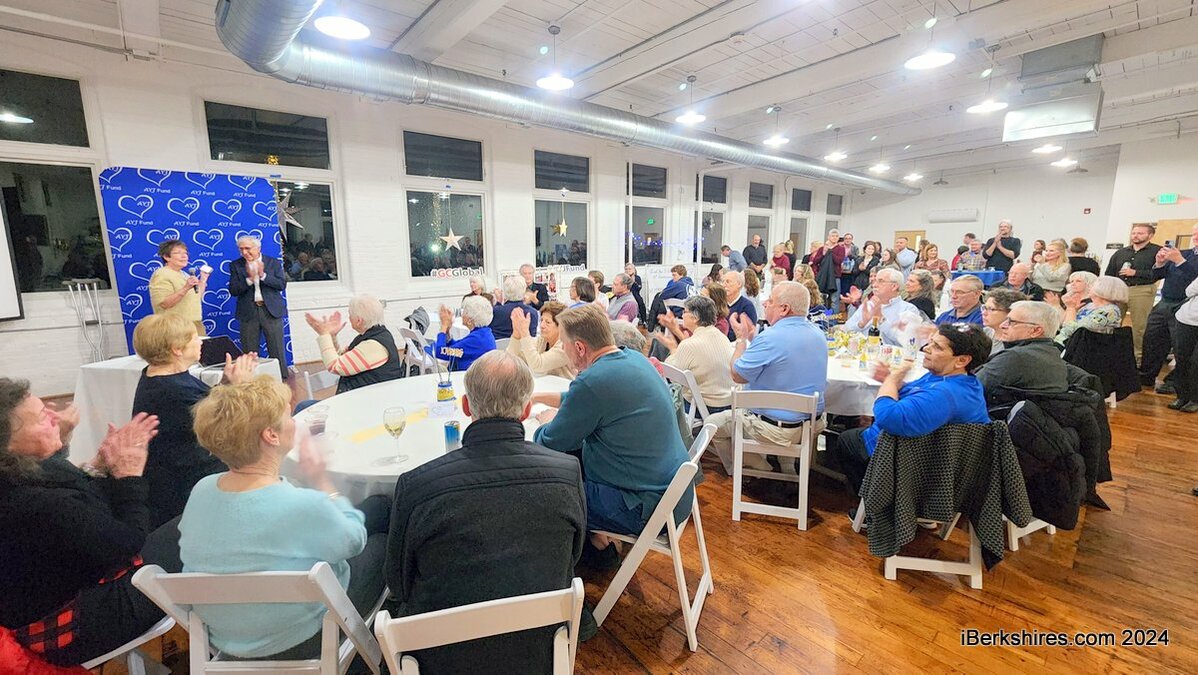
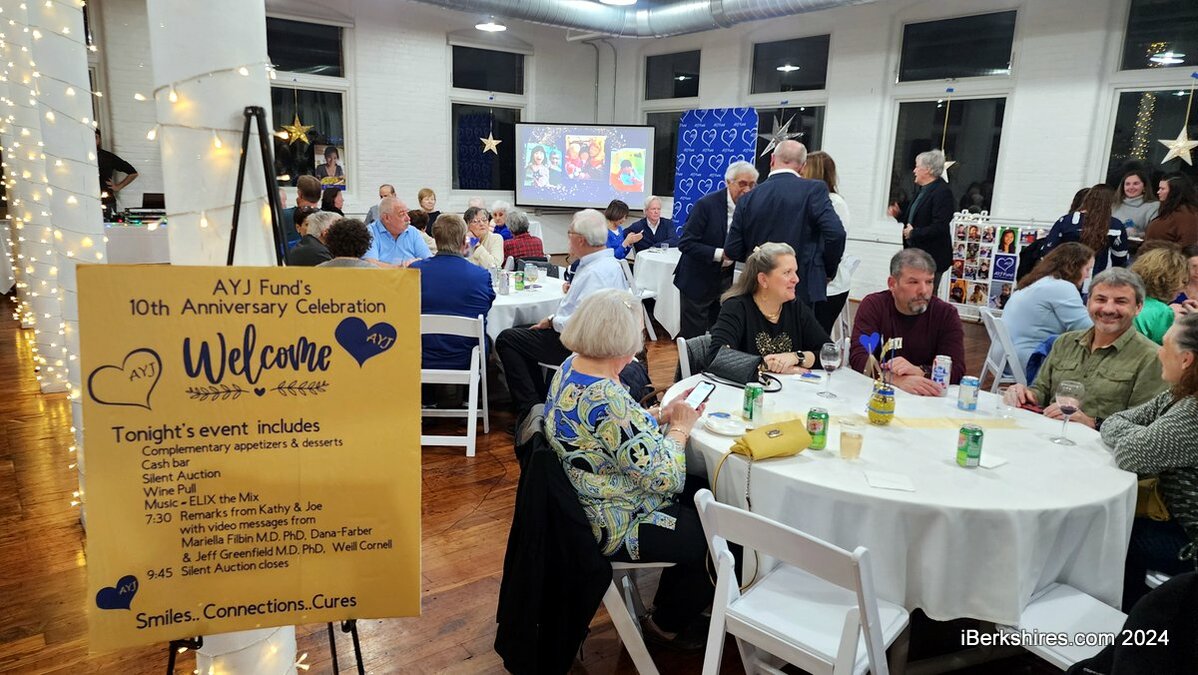
More than a 150 members of the community attended the 10th anniversary celebration of the fund on Saturday at Norad Mill to dine on hors d'oeuvres by Berkshire Catering and bid on donated items ranging from a Yves St. Laurent purse to gift baskets to a week at a Williamstown AirBnB.
Joseph Arabia said it was a thank you for all the community support they had received over the years.
"Everybody here and anybody who has contributed in any way, shape or form — monetarily, with in-kind services, volunteering — is part of the AYJ fund. You are the AYJ Fund because without you people, we couldn't do anything," he said. "We're having this tonight as a show of appreciation for all you've done for us to help us move our mission forward."
That mission has seen a great deal progress over the past decade as techniques and knowledge in cancer research have made strides toward a treatment or cure.
Dr. Mariella Filbin, a director of brain tumor research and the Pediatric Neuro-Oncology Program at Dana-Farber at Boston Children's Hospital, said funding was critical to "move the needle forward" on the devastating disease.
"I really wish I could be with you in person to tell you about our latest gliomatosis cerebri research that has so wonderfully and amazingly be funded by all of you here," she said via recorded message. "I wanted to extend my biggest thanks from all of us here in the laboratory, from all of my clinical colleagues, for your generous funds that help us push the envelope and move the needle for our patients."
Filbin said last year's conference in New York City had allowed researchers to share data and discuss a wide range of topics including how best to advocate for patients on the national and international stages.
"It was just overall a immensely inspiring event that led to followup projects that have since then gone on in our labs and in the laboratories around the world," she said, including single-cell sequencing and how tumor cells communicate with each other and normal brain cells.
"We want to understand how cells really differentiate and how cells are different from each other in a patient, yet how patients are similar even though they might be having different molecular diagnostics or might be treated in different parts of the world," the doctor continued. "So by diving deep, we will want to also find overarching themes that hopefully can roll forward into new patient treatments."
The group also heard from Dr. Jeff Greenfield, a pediatric neurosurgeon at Weill Cornell Medicine, where a poster of Anna is prominently displayed outside the lab funded in part by AYJ Fund.
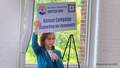
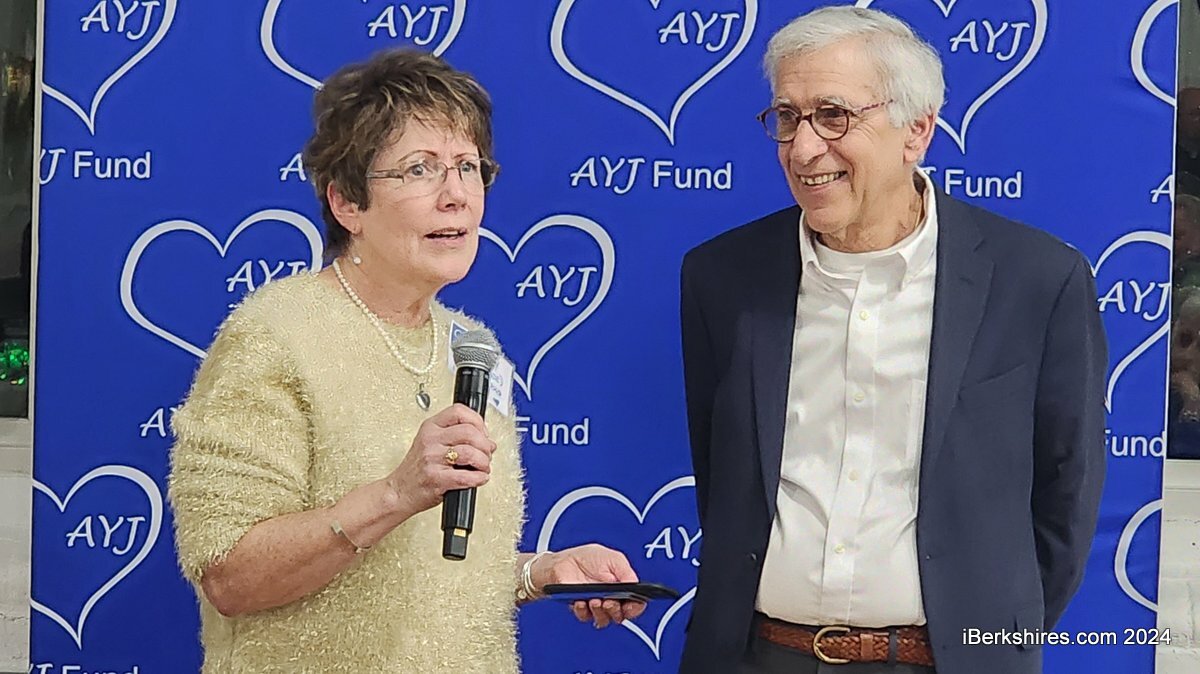
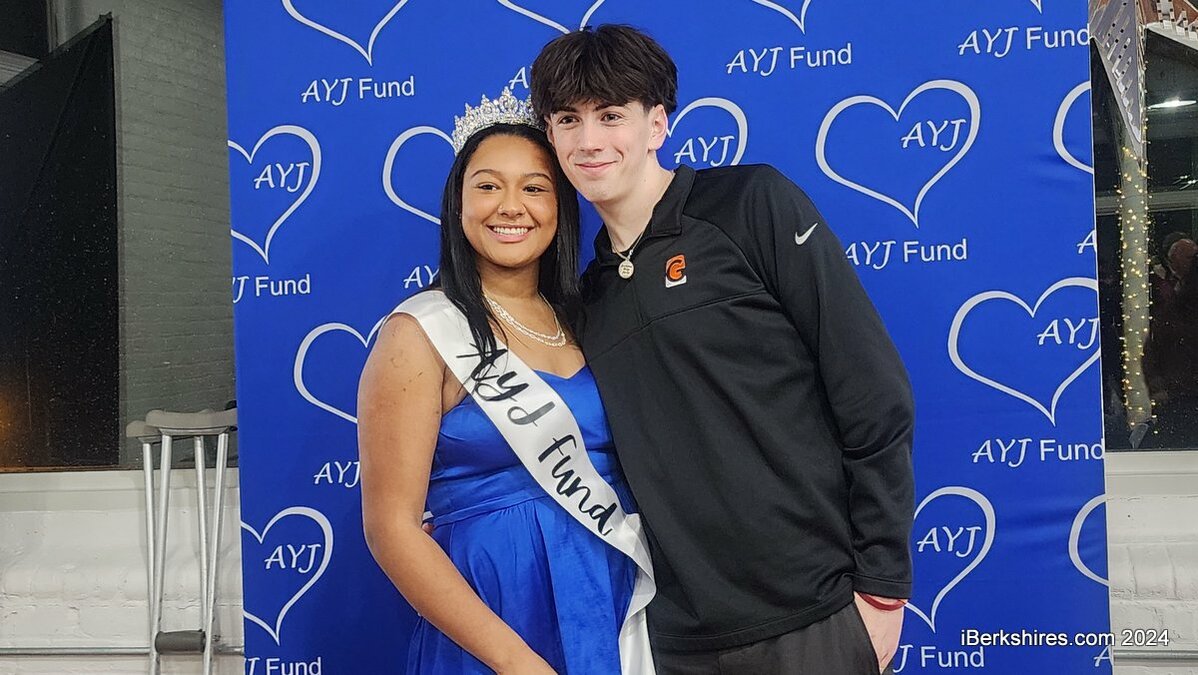
Kathy Arabia thanked the members of the board, her relatives who flew in from the West Coast to celebrate and the many volunteers who have worked to make the fund successful. Mary Ann King, a board member, read a proclamation from the House of Representatives from state Rep. John Barrett III recognizing their work and one of the fund's "princesses," Nevaeh Williams, first runner-up for Miss Teen Western Massachusetts, presented Kathy Arabia with roses.
It was a moment that the Arabias weren't aware was going to happen, as Kathy's sister Mary Costa (Anna's godmother), took the microphone to say Anna had two special parents who taught her love, faith, celebration, strength, courage, and, finally, acceptance.
"Then you formed the AYJ fund. And that was a way for you to honor your brave little soul," Costa said. "But tonight, we want you to know that we think you two are an extraordinary team. ...
"We're so happy to be able to hop on a board and just be a part of it. Because it has helped every one of us to learn how to give back. And that's a really important thing."
Tags: cancer research,