CDCSB Purchases Former Thornwood Inn
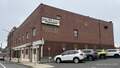
GREAT BARRINGTON, Mass. — The Community Development Corporation South Berkshire (CDCSB), a 501(c)3 non-profit located in Great Barrington has completed the purchase of the former Thornewood Inn located at 453 Stockbridge Road.
The CDCSB is repurposing the property to create workforce housing for our area, with a soft opening planned in early June.
The purchase of this property was made possible by financial supporters including the Great Barrington Community Preservation Committee, Greylock Federal Credit Union, and CDCSB donors and friends.
The per unit cost of creating this housing option is about $85,000 — a fraction of the $400,000 to $500,000 cost of building new affordable housing apartments — and is an immediate boost to South County's housing inventory.
"The need for more housing opportunities is obvious to anyone paying any attention and the evidence is overwhelming," said CDCSB Board President James Harwood. "Many young people and individuals are stranded between South County's high housing costs and the ability to earn enough money in local jobs to pay for rent."
Twenty-eight percent of all households in the United States are individuals but almost all new housing construction in rural Southern Berkshire County is designed for families, leaving a gap in options for singles and couples.
"Thornewood is a piece of the very complex and extremely capital-intensive puzzle to provide more housing for the people who want to live and work here," Harwood said. "Every employer in South County feels this problem."
"We certainly understand the problem of housing because we were no longer able to hire people due to the high cost and scarcity of housing," said CDCSB board member David Thorne, who had owned and operated the Thornewood Inn since 1983. "It's a huge issue for all employers. Doing this feels like a very good way to make a real contribution. We hope that others in our community will join us to make Thornewood a huge success."
CDCSB took a multi-tiered approach to funding the property purchase, said Interim Executive Director Phillip Orenstein.
"The cornerstone of this multi-tiered approach is our broad-based community fundraising drive." Orenstein notes that several major employers have expressed interest in the housing units along with supplemental financial support.
Applicants working in Great Barrington will receive priority access to the rooms, pursuant to agreements with the Town. Those working elsewhere in Berkshire County are also eligible. Residents must be at least 18 years of age. Smoking and pets are not permitted.
Eligibility for the affordable units is subject to maximum income levels. For the majority of the rooms, a single applicant's maximum annual income is approximately $71,000, which represents 100 percent of the Area Median Income (AMI). For a smaller number of rooms, the single applicant's maximum annual income is approximately $85,000 (120 percent of AMI). Up to three rooms are not subject to maximum income criteria. Resident guests will need to periodically recertify their income eligibility.
Applicants who are interested can add their names to The Thornewood waitlist by visiting the CDCSB website at cdcsb.org or emailing their contact information to workforce@cdcsb.org. Those on the waitlist will soon receive detailed instructions on the application process.
The Thornewood is located at 453 Stockbridge Road, just north of downtown Great Barrington near the intersection with Route 183. It rests on a 2.5-acre lot that was purchased in 1983 by former owner/operators David and Terry Thorne. The property was active until recently and has been well maintained over its 40-year life.
Its 10,000+ square feet of usable space will eventually include 18 private rooms of varying sizes, each with a private bath. The plan is for 16 comfortable, furnished units to be available in June. An additional two rooms will be added following modest renovations that are expected to take 6–12 months.
The rooms are suitable for 1–2 adults and vary in size, layout, and features. All rooms have compact refrigerators and access to a shared kitchen, which is currently being renovated. There will be a 10 percent discount on monthly fees until the kitchen is available.
The main floor includes an additional 2,500 square feet including a commercial-grade kitchen. This area is currently being reimagined as an "Incubator Space" for possible co-working, consulting, and commercial rental opportunities. There will be more details forthcoming on this aspect of The Thornewood soon. An on-site laundry facility is available. There is ample room for parking on the property with capacity estimated at 50 cars.
Monthly fees range from $1,000 to $1,600 per month — depending upon square footage, special features, and income eligibility — including all utilities and high-speed internet.
Pursuant to Massachusetts law, resident guests will be charged an additional 11.7 percent hotel tax for the first 90 days. This fee is refunded when and if the resident guest remains beyond this period.