PCBs Detection Pauses GE Demolition
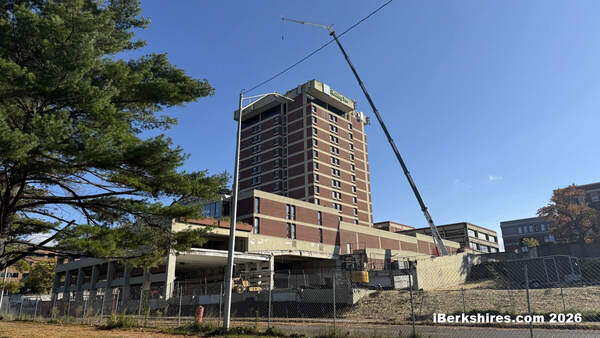
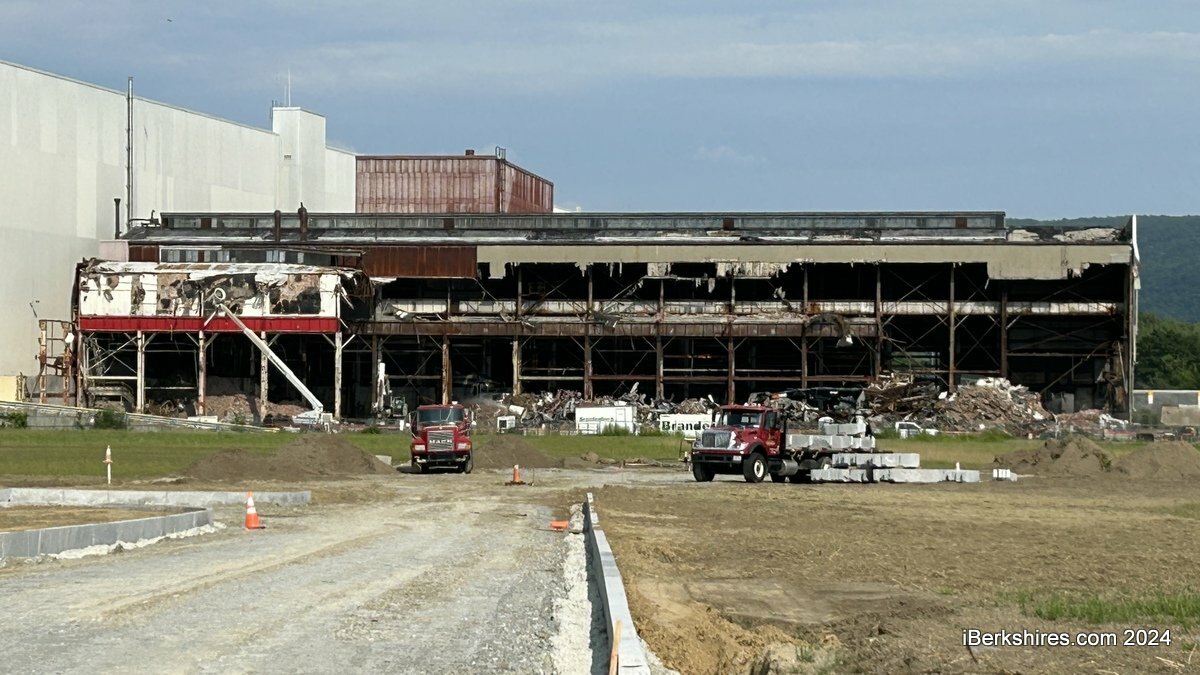
PITTSFIELD, Mass. — Elevated levels of PCBs in a single air sample have halted demolition work on the former General Electric site.
Authorities say the measurements are "conservative" and not a threat to public health.
The sample was taken between July 11 and July 12 and was received by the Pittsfield Economic Development Authority from an off-site laboratory on July 25. It was quickly forwarded to the U.S. Environmental Protection Agency on the same day and work stopped.
"The exceedance does not constitute a health threat to the public," a regional representative from the EPA wrote to iBerkshires in an email. "These action levels are very conservative and furthermore this monitor was not located adjacent to public areas."
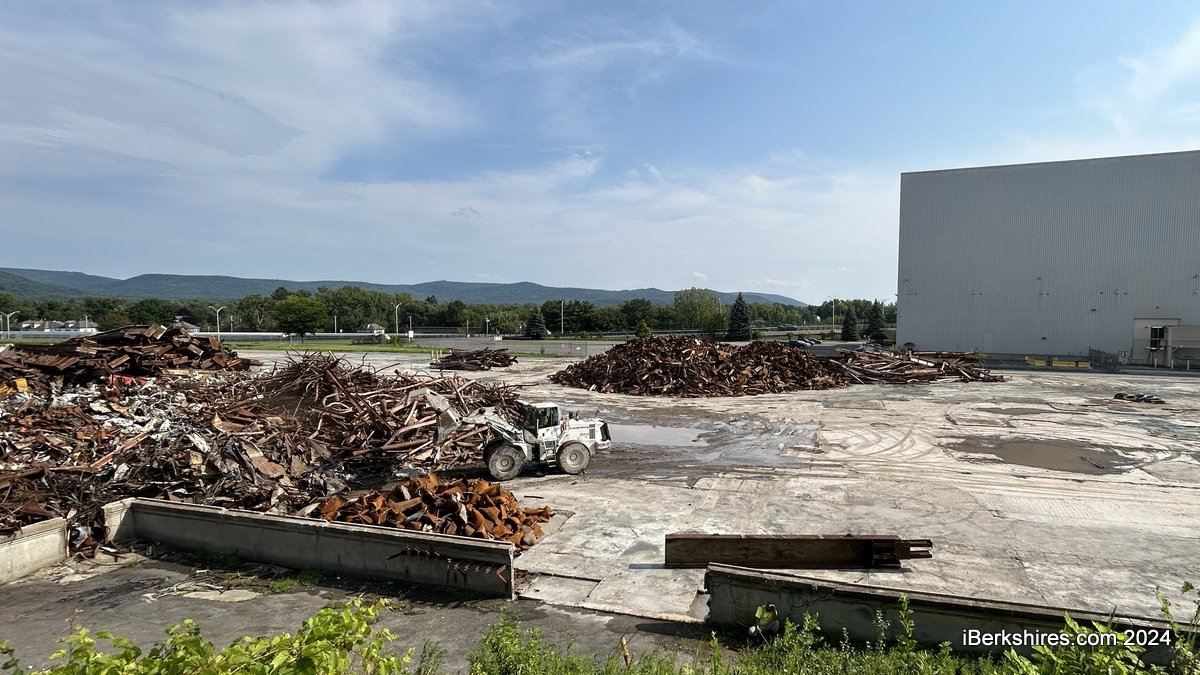
The higher levels of polychlorinated biphenyls in the sample is attributed to stockpiles of demolition debris from former GE buildings that were within 50 feet of the air sampling monitor, abutting the PEDA property. The EPA will evaluate PCB air data from sampling conducted the week of July 29 and decide if GE can resume operations, though PEDA has been given the OK to continue with backfill work on its property.
PEDA notified EPA and the Massachusetts Department of Environmental Protection of the detection found in a sampling round conducted over 24 hours from July 11 to 12. The economic development authority received information late on July 25 from the off-site commercial laboratory and it was reportedly forwarded out on the same day.
"This 13-day turnaround time for receipt of air data from an off-site laboratory is a typical duration for this type of sampling event," the EPA representative said.
"GE will implement additional actions and engineering controls as part of their building demolition activities. EPA and Mass DEP will continue to provide close oversight of the ongoing activities being conducted by PEDA and GE."
PEDA is currently working on a nearly $10 million redevelopment of Site 9 on the former GE property. This included removing the existing concrete surface and placing a clean backfill on the property.
The monitor with the exceedance is located along the PEDA-GE property line. GE's activity on the adjacent parcel consists of the demolition of the Building 12 complex, which are buildings where GE manufactured and tested transformers that used PCBs as dielectric fluids.
"The concentration detected at S9-2 was 0.2324 µ/m3 [micrograms per cubic meter] and the Action Level is 0.10 µ/m3. EPA determined that the source of airborne PCBs is from GE's Building demolition activities, not PEDA's backfilling activities," the EPA reported.
Both parties stopped work to reassess the situation, the EPA reportedly discussing it with the city on July 26. This was not considered an emergency or health threat to the public because the monitor is "well away" from private property and that monitors close to the Tyler Street extension were below health-based action and notification levels.
MassDEP reviewed the information provided by PEDA and concurred with EPA that the strong likelihood is that the source of PCBs was not PEDA's activities, rather the source of airborne PCBs emanated from GE property associated with the building demolition activities, the EPA reported.
PEDA was permitted to resume backfill operations on July 29 and GE remains under a stop-work status.
On July 26, GE provided a summary of its evaluation and stated that one of the stockpiles of demolition debris was within 50 feet of the air sampling location that had the exceedance, according to the EPA.
Even though it was not GE's monitors with the exceedance, it was directed to temporarily stop work and assess the situation. On top of daily dust monitoring, GE's proposed response actions are:
-
Perform air sampling at six locations.
-
Add a new sample location on the PEDA property near the location with the exceedance but farther to the south and west to account for the potential irregular wind patterns and impacts from the elevated vehicle ramp and retaining wall.
-
Resume demolition work upon receipt of results from this sampling round indicating that all sampling locations are less than the air action level.
-
Conduct weekly PCB air sampling at these six locations for at least four weeks or until GE has achieved four consecutive weeks of results less than the Action Level, at which time GE can propose moving to monthly sampling, subject to EPA approval.
- Once work has resumed, GE will employ additional engineering controls such as reducing the size of onsite stockpiles and keeping stockpiles further away from the property line.
The EPA approved this response and stipulated that work can continue if a sample result is above the air PCB Notification Level but below the Action Level. However, GE should evaluate conditions, consider additional engineering controls, and discuss its findings and potential additional actions with EPA. The agency also said that if any additional sample results are above the air Action Level, GE will immediately stop work and notify EPA of the results.
Tags: contamination, demolition, General Electric, PCBs, PEDA,