Breathe Easy Berkshires Examines Impact of Butternut Fire
PITTSFIELD, Mass.— Environmentalists earlier this month opened the floor for reflections on the Butternut Fire, highlighting its air quality effects in Pittsfield.
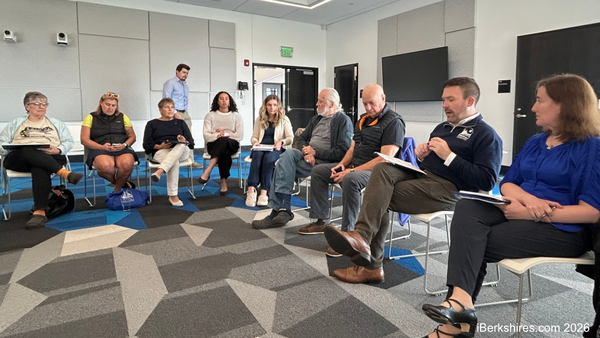
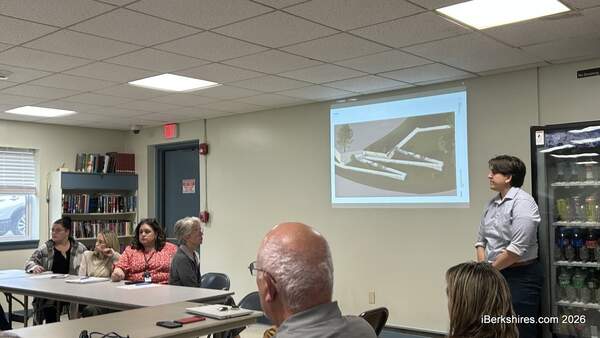
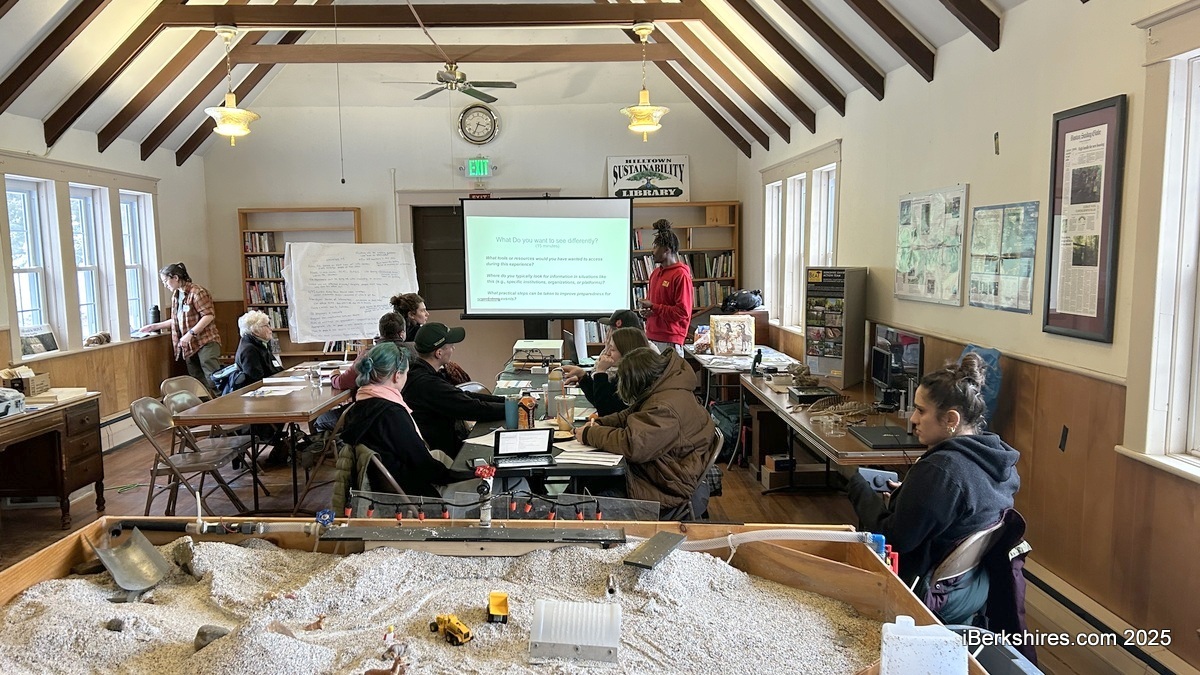
Breathe Easy Berkshires, a project of the Berkshire Environmental Action Team, invited attendees to share what they smelled, saw, heard, touched, tasted, and thought during the wildfire that tore through over 1,600 acres in Great Barrington in late November.
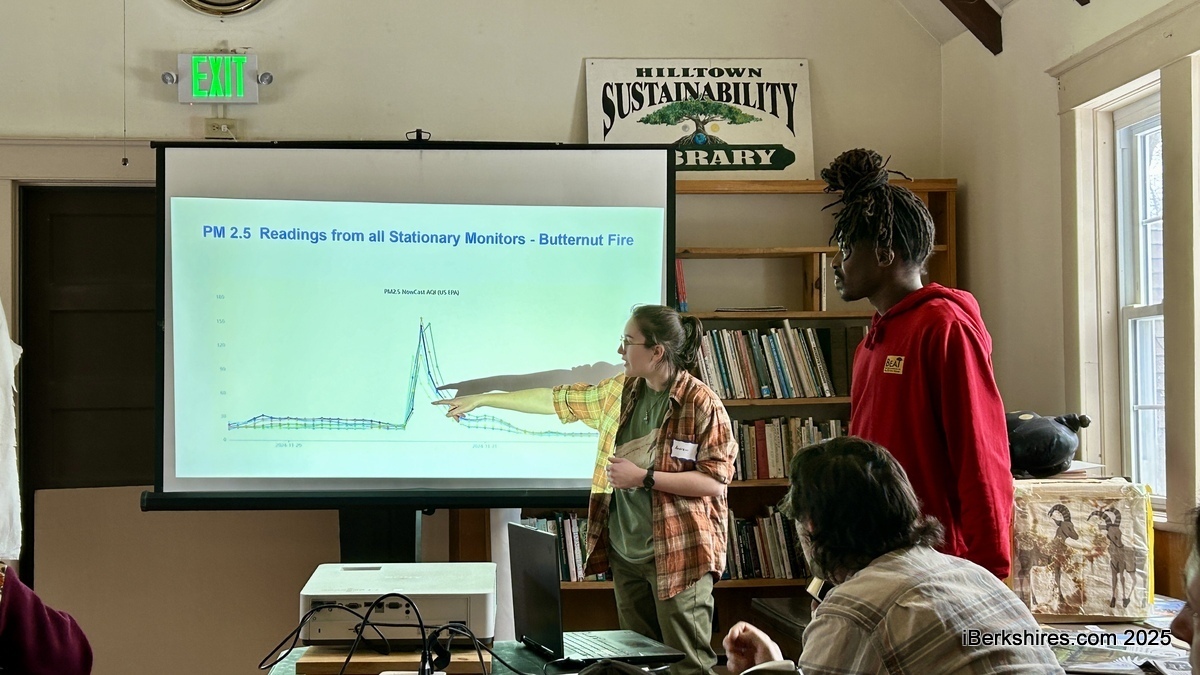
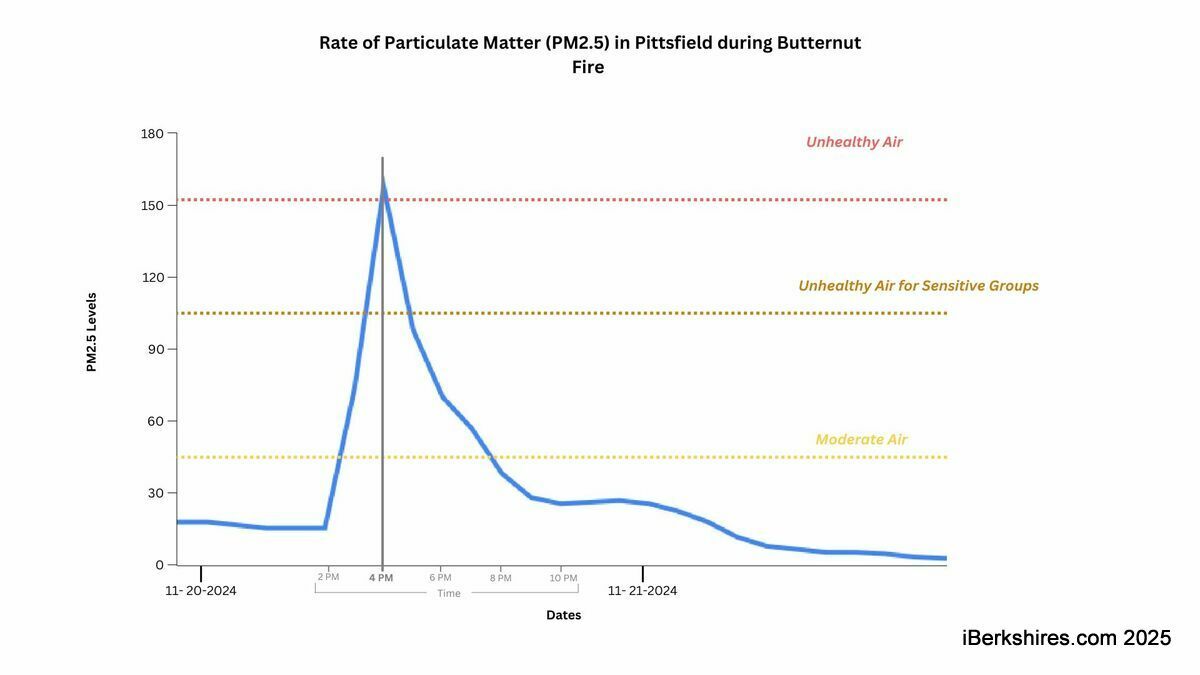
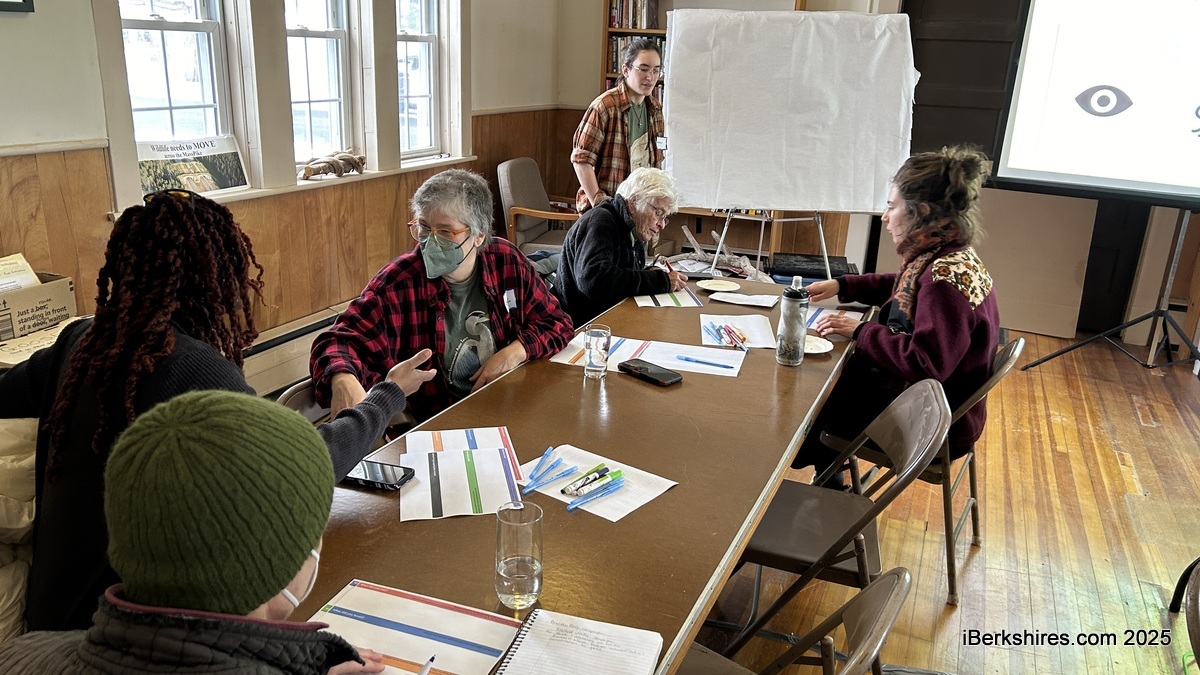
At the BEAT headquarters, project managers Andrew Ferrara and Drake Reed led group discussions with people from all over Berkshire County. Air-quality monitors in Pittsfield showed a spike during the fire's worst day, reaching an unhealthy level.
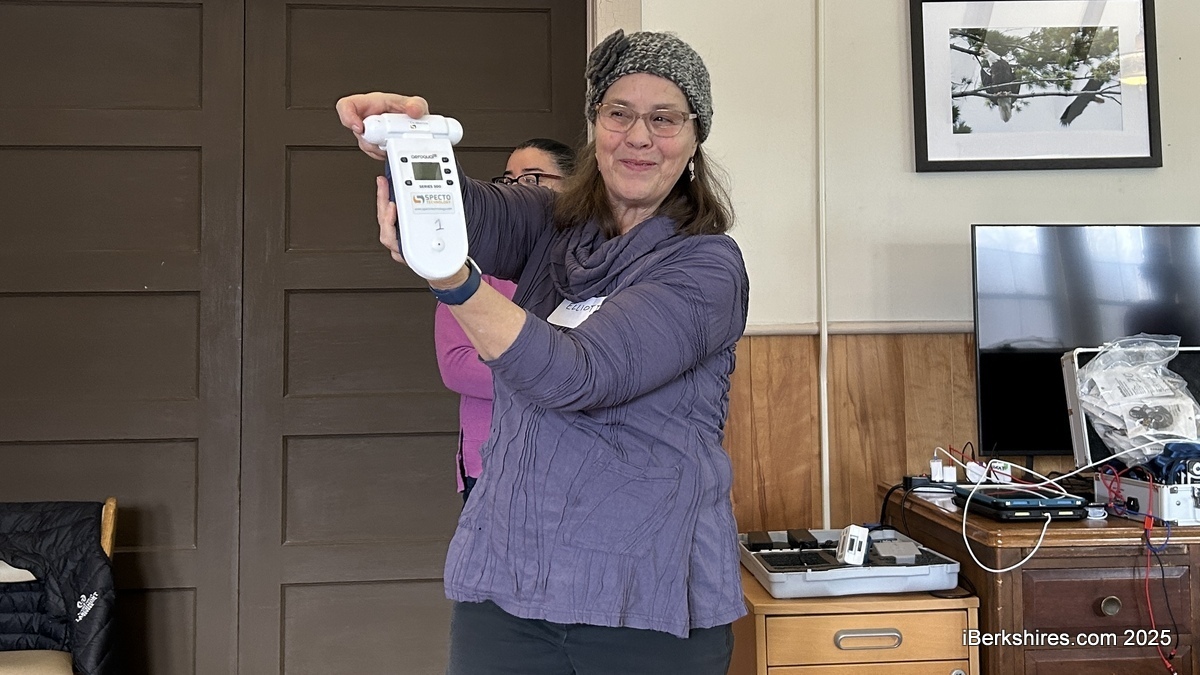
"I smelled it in my back yard when I went out of my house with my dog. I smelled it first and then I saw a haze, and then I kind of walked in a circle when I couldn't see a source of the haze," said Pittsfield resident Elliott Hunnewell.
"It was all around me and I was listening very carefully for sirens and I couldn't hear anything but birds."
Some Greenagers employees who work close to the fires said the air felt heavy and required a KN95 mask. Project supervisor Rosemary Wessel observed a lack of personal safety information from authorities, such as a masking advisory for particulate matter.
"Everyone thought was in their area," she said. "So it was one of those things where even though it was far away, it smelled like it was right in your neighborhood."
The Breath Easy project measures air quality in Pittsfield's environmental justice communities, Morningside and West Side neighborhoods, and studies the potential health effects of air pollution. It mostly focuses on sources such as power plants and traffic emissions but the Butternut Fire provided an opportunity to study how extreme weather events impact air quality.
In a follow-up summary of the event, the team said there is a direct link between their work and how extreme weather events like the Butternut Fire impact our air and health.
With a grant from the U.S. Environmental Protection Agency, BEAT runs an ambient air quality monitoring network focused on these areas, looking for nitrogen dioxide (NO2) and its effects as well as PM 2.5 and 10, or particulate matter such as dust, dirt, soot, and smoke.
PM 2.5 readings from all nine stationary air monitors spiked on Nov. 20, when the Butternut Fire in Great Barrington expanded tenfold to cover almost 1,100 acres of forest. PM 2.5 levels went from about 20 to 150, putting Pittsfield in the unhealthy range on that day.
There are nine stationary air monitors across the city that take readings every 15 minutes and generate an hourly average. There has also been mobile monitoring across Pittsfield neighborhoods and investigative routes around suspected sources.
A 2020 analysis by the Berkshire Regional Planning Commission found that people in the Morningside and West Side live 10-12 years less than those living in southeast Pittsfield. Studies have also found links between poor quality and premature death, premature birth, and heart and lung diseases, among others.
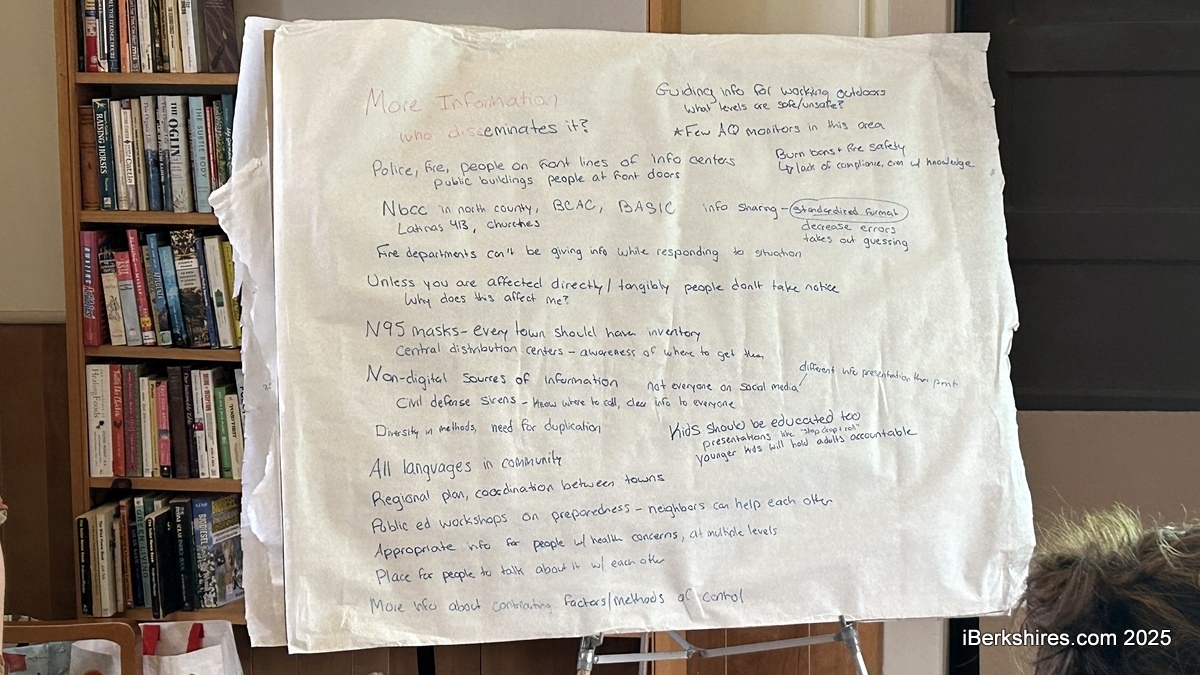
After reflecting on the Butternut Fire, groups brainstormed about the resources that would be helpful to have if there were another wildfire. Attendees said they wanted more easily accessible information from official sources, multi-lingual communications, and collaboration with resourceful organizations during such an event.
There was also a call for inventories of KN95 masks in every community.
Juliana "Peppa" Pepper, Greenagers education manager, stressed the importance of including children in the conversation by providing educational and preparedness information to them.
"The younger kids that know about it, they will hold adults accountable," Pepper said. "So I just think that looping in kids is always really important."
Tags: butternut fire, fire, forest fire,