image description
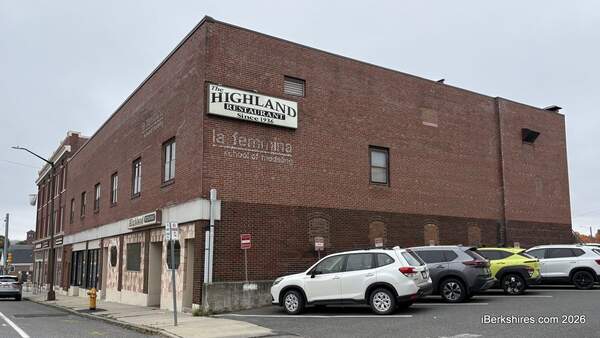
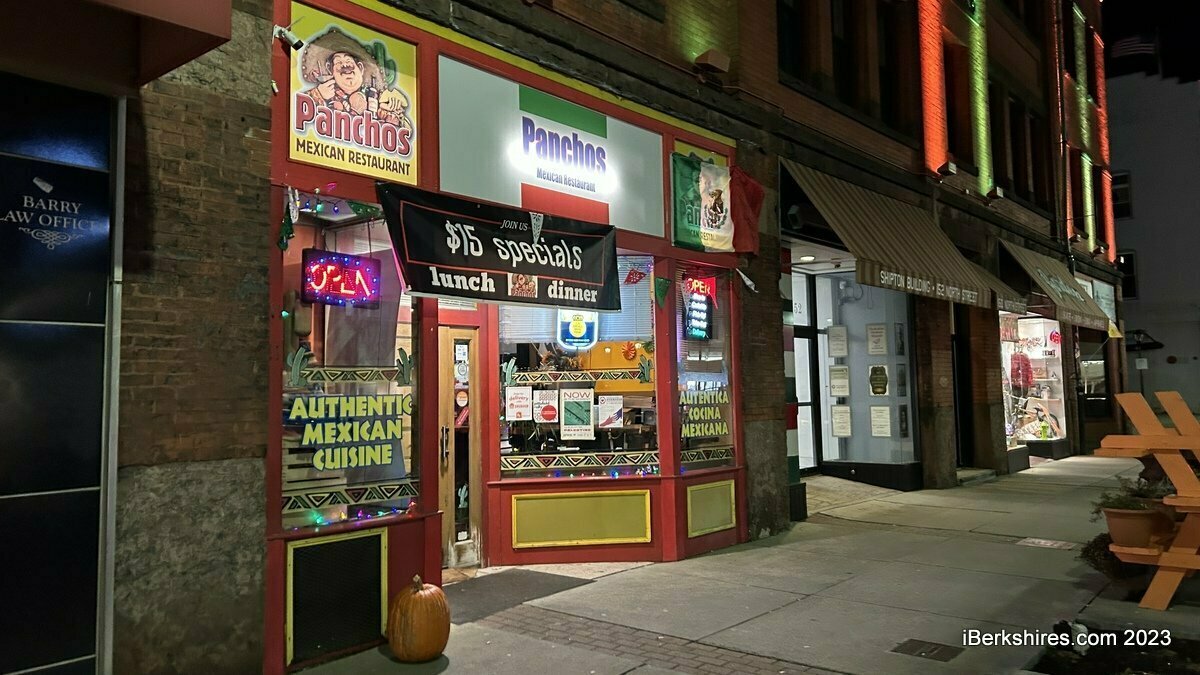
The owner of Pancho's on North Street is changing up the look and the menu of the Mexican eatery.
image description
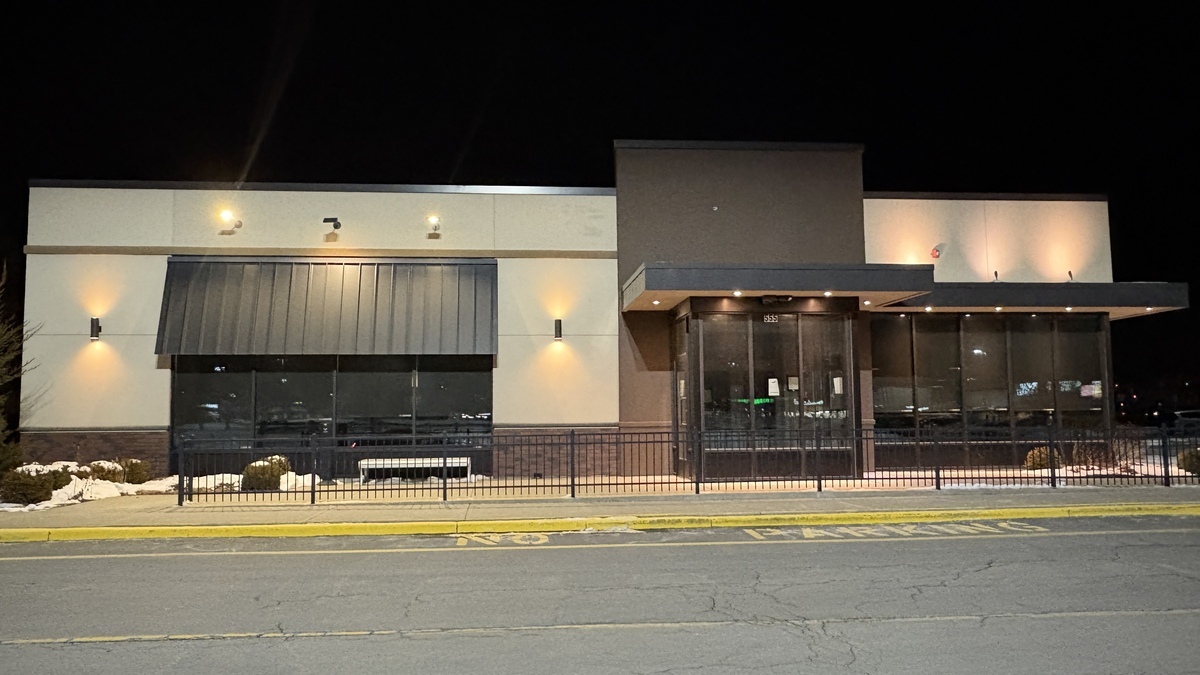
The Licensing Board is pressing for Chili's to find a new owner for the vacant space as it is tying up an alcohol license.

Pittsfield's Panchos Plans Rebrand, Wander Secures Entertainment License
By Brittany PolitoiBerkshires Staff
Print Story | Email Story

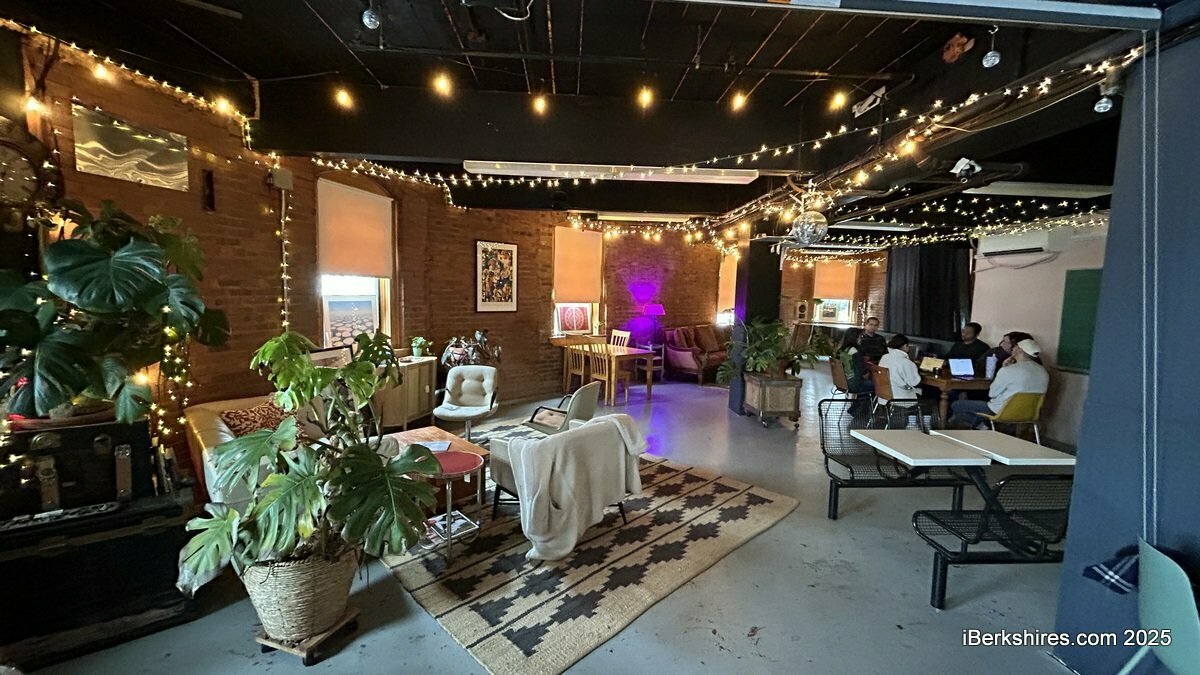
Wander Berkshires was approved for an entertainment license. It will host sober evening events in expanded space adjacent its cafe.

PITTSFIELD, Mass. — A longtime North Street restaurant will change its name, its branding and its menu.

On Monday, the Licensing Board approved the name change of Pancho's Mexican Restaurant to Iztac. The eatery will still operate under Columnna LLC.  

Attorney Loretta Mach explained that owner Gabriel Columna is rebranding, including renovations to the restaurant and some new offerings.

Columna said he would like everything fresh, "and I want to make a little different food, all different." 

He purchased the business in 2022.

The board also approved an entertainment license for Wander Berkshires, a cafe and event space on Depot Street that has been open since November and celebrated with a ribbon cutting last week. It is a queer and transgender-founded, recovery-focused space.

"We are a cafe by day and then in the evenings, we're looking to have just some community events. We did a sober dance party that I got a one-day entertainment license for, we're going to do book readings, book club, nothing wild," founder Jay Santangelo said, adding that it is a sober space that does not serve alcohol.

The cafe will soon host a community darkroom with help from MassDevelopment funds. Wander is a part of the Transformative Development Initiative's Creative Catalyst Cohort that received $125,000 for a Downtown Pittsfield Creative Alliance.

Santangelo said the space is behind Tito's Mexican Bar & Grill and formerly housed the Berkshire Running Center.

"It's 3,000 square feet but we don't use all of that," they said. "The back part is going to be a community dark room. We have an occupancy of 129 people, we never see anywhere coming close to that. That's not what we're trying to do there."


The board also saw an update from Pepper Dining Inc. about the status of Chili's liquor license, which didn't yield any new information.

"There are several interested parties in the restaurant. Nothing is concrete yet but I talked to legal last week and they did say there was a couple of interested people," Northeast Director of Operations Alan Anderson reported.

"So nothing new, though, at this time, other than we're just going to keep maintaining."

The lease agreement goes out to 2029 and the company is looking for another business to carry it out.  The restaurant opened for business in 2018.

There are currently 15 other Chili's in Massachusetts, according to a company map of the locations.  Chili's branding has been removed from the building at Berkshire Crossing.

Chairman Thomas Campoli pointed out that there is an interest in having the license used or sold.  
In Pittsfield, if a liquor license is revoked if not replenished. He hopes to see news by June.

"I hope that you guys are diligently pursuing somebody," he said.

"Because at some point with the law, I'm just telling what the law says to us, is we have to start putting some pressure on the licensee to do something with the license because there might be folks out there that could use it or have something going on, either there or somewhere."


Tags: alcohol license,   entertainment license,   
If you would like to contribute information on this article, contact us at info@iberkshires.com.

Berkshire Towns Can Tap State Seasonal Communities Resources

BOSTON — Governor Maura Healey announced that 18 additional municipalities across Massachusetts have been designated as Seasonal Communities, opening up new tools, support and grant funding to help them manage seasonal housing pressures. 
 
Created as part of the historic Affordable Homes Act signed into law by Governor Healey in 2024, the Seasonal Communities designation was designed to recognize Massachusetts communities that experience substantial variation in seasonal employment and to create distinctive tools to address their unique housing needs. The law also established the Seasonal Communities Advisory Council (SCAC).  
 
The Affordable Homes Act identified several communities to automatically receive the designation, including:   
  • All municipalities in the counties of Dukes and Nantucket;   
  • All municipalities with over 35 percent seasonal housing units in Barnstable County; and   
  • All municipalities with more than 40 percent seasonal housing units in Berkshire County. 
  •  
To identify additional communities, the Executive Office of Housing and Livable Communities (HLC) reviewed available data, specifically focusing on cities and towns with high levels of short-term rentals and a high share of second- or vacation homes.
 
In Berkshire County, Egremont, Great Barrington, Lee, Lenox, New Marlborough, Richmond, Sandisfield, Sheffield, West Stockbridge and Williamstown have been designated. 
 
"Our seasonal communities are a vital part of Massachusetts' cultural and economic fabric, but they're also home to essential workers, families, seniors, and longtime residents who deserve a place to live year-round," said Governor Healey. "That's why we're committed to supporting these communities with innovative solutions like the Seasonal Communities designation to meet their unique needs, and I'm thrilled that we're offering this opportunity to 18 additional communities across the state. Everyone who calls these places home should be able to live, work and grow here, no matter the season." 
 
As with the statutorily identified communities, acceptance of the designation for municipalities is voluntary and requires a local legislative vote. HLC will open an application for newly eligible communities that haven't accepted the Seasonal Communities designation to request consideration. 
 
The Affordable Homes Act created several new tools for communities who accept the Seasonal Communities designation to be able to:  
  • Acquire deed restrictions to create or preserve year-round housing 
  • Develop housing with a preference for municipal workers, so that our public safety personnel, teachers, public works and town hall workers have a place to live 
  • Establish a Year-Round Housing Trust Fund to create and preserve affordable and attainable housing for year-round residents 
  • Create year-round housing for artists 
  • Allow seasonal communities to develop a comprehensive housing needs assessment 
  • Permit tiny homes to be built and used as year-round housing 
  • Permit year-round, attainable residential development on undersized lots 
  • Increase the property tax exemption for homes that are the owners' primary residence 
 
View Full Story

More Pittsfield Stories