Tribal Members to Host Powwow on Their Homeland
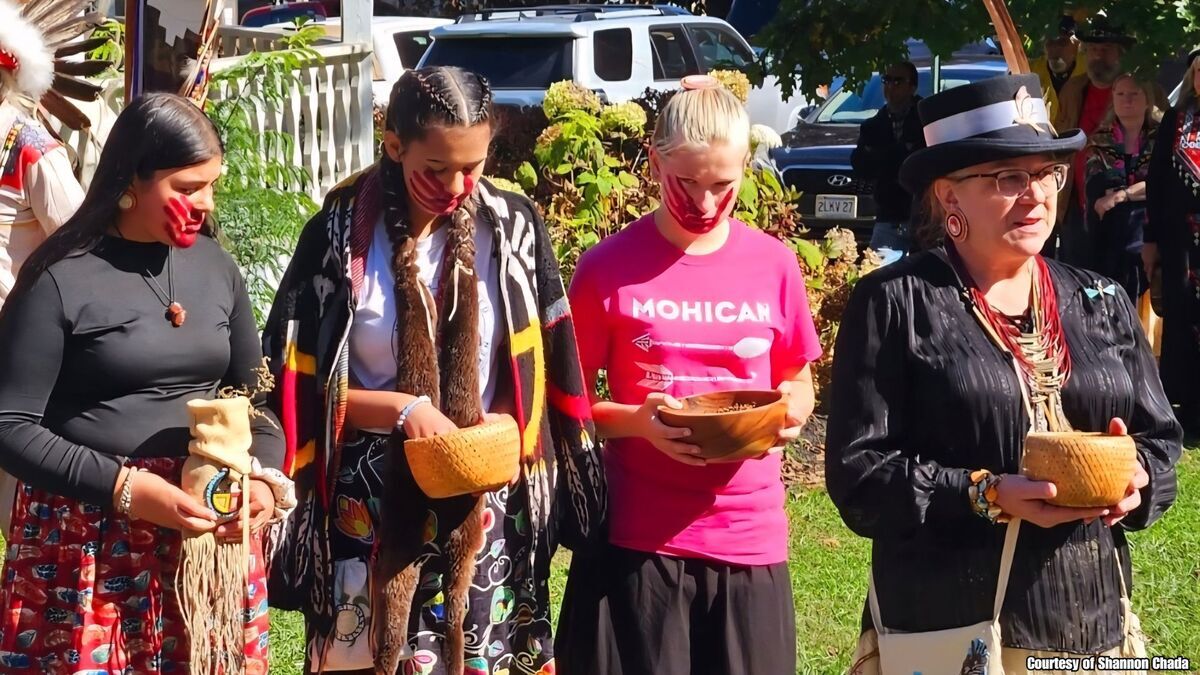
NEW LEBANON, N.Y. — For the first time in more than 200 years, tribal people will return to their homeland for an inaugural powwow.
The traditional Homelands PowWow will bring members of the Stockbridge-Munsee Mohicans from all over the state, from Wisconsin all the way to California, to Darrow School for the weekend of Oct. 4 and 5.
The event runs from 10 to 5 both days and tickets are $10 to $20; weekend passes are $15 to $30. Children younger than 5 are free. More information here.
"This gathering is both a renewal and a prayer, and it's a living bridge between the past, present and the future," said Shawn Stevens, Homelands PowWow chair.
.jpg)
There is a welcoming vibration that is felt throughout their body when walking on their ancestral homeland, said Ginger Stevens, founding board member.
"It's our ancestors, and our land, our home, our mother welcoming us … that's why we're so excited to bring so many people out there," she said.
For some, it is a returning trip, but for many, the inaugural powwow will be their first experience, Ginger Stevens said.
For Wanonah Kosbab, fellow board member, visiting her ancestral homeland was a deeply emotional, healing, and transformative experience filled with tears, laughter, confusion, and a profound sense of change within herself.
"I always tell people, you're never going to go home the same out there after your first time going out there," Shawn Stevens said.
"There's an energy no matter where you go, whether it's upstate New York, down towards Manhattan Island or the Catskills, it's all the same. The land and the ancestors are very happy we’re returning and they're supporting what we do."
The little things that have led up to the establishment of the inaugural powwow is very spiritually led, he said.
Tribal members are retracing their footsteps to the ancestral land that has always carried their songs, dances, and stories.
"We come to honor that memory, to reuniting with not only our indigenous neighbors, like the Nipmuc, Oneida, Abenaki, other Lenape, but also forming new relationships with the non-Native people who are currently there," Shawn Stevens said.
"Even though the people who are living there today may not know us very well, the land has never forgotten, and we've never forgotten the land either. So, it's making that reconnection, our culture has been there longer than it's been gone. And unfortunately, a lot of people don't know; we're coming to reestablish that connection."
The Stockbridge-Munsee Mohicans were displaced from their homelands in the late 18th and 19th century following generations of war, forced conversion, and other abuses.
The Oneida welcomed the Mohican Nation to western New York, but due to pressure from settlers, the Mohican sachems relocated to Wisconsin. There, they signed a treaty with the Menominee Nation and the U.S. government in 1856.
The last thing the land remembered of its people was the hardship, so for them to be able to return home and have a powwow after hundreds of years is medicine on its own, Kosbab said.
The word powwow comes from the word pawwaus, which is an "animate thing or person that makes things well, for healing, for making well, or making good," Shawn Stevens said.
And that is what powwows are — generally for a gathering, for coming together, celebrating, giving blessings, and socialization, he said.
The event is organized by Homelands PowWow, a nonprofit based in Massachusetts, which has a board composed mainly of members from the Stockbridge-Munsee Mohican tribe.
Its mission is to support the cultural, spiritual, and communal well-being of the Stockbridge-Munsee Mohican people. Additionally, it aims to promote public education, foster cross-cultural understanding, and encourage respectful engagement through Indigenous teachings and community gatherings.
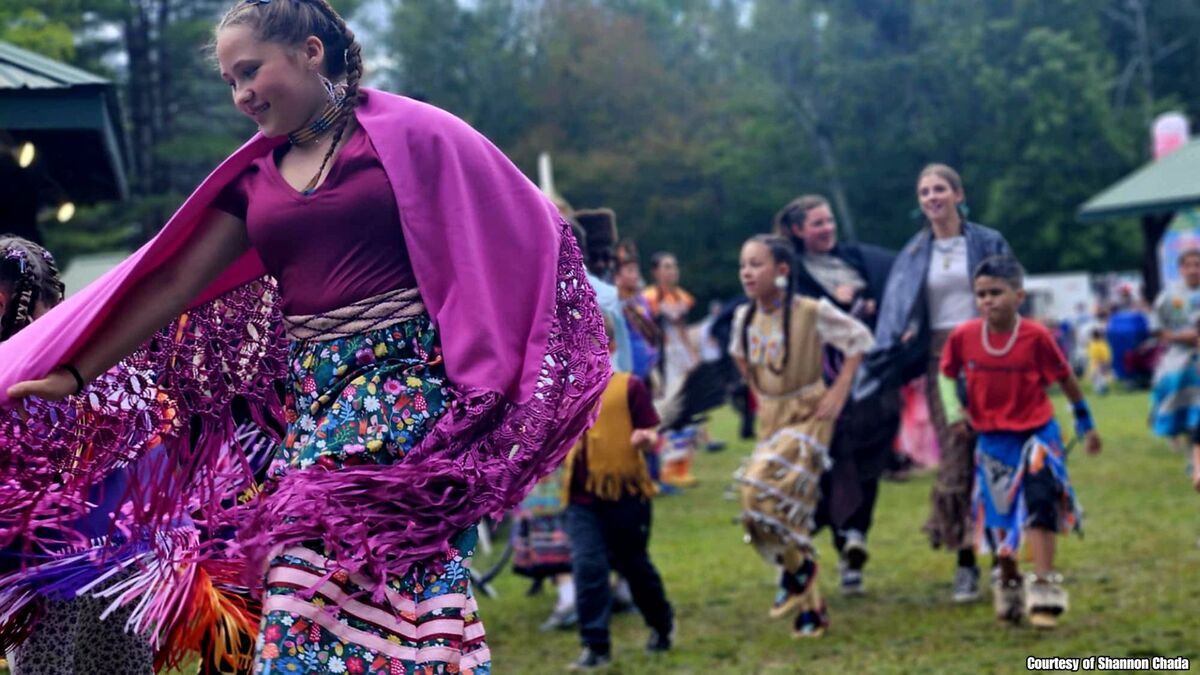
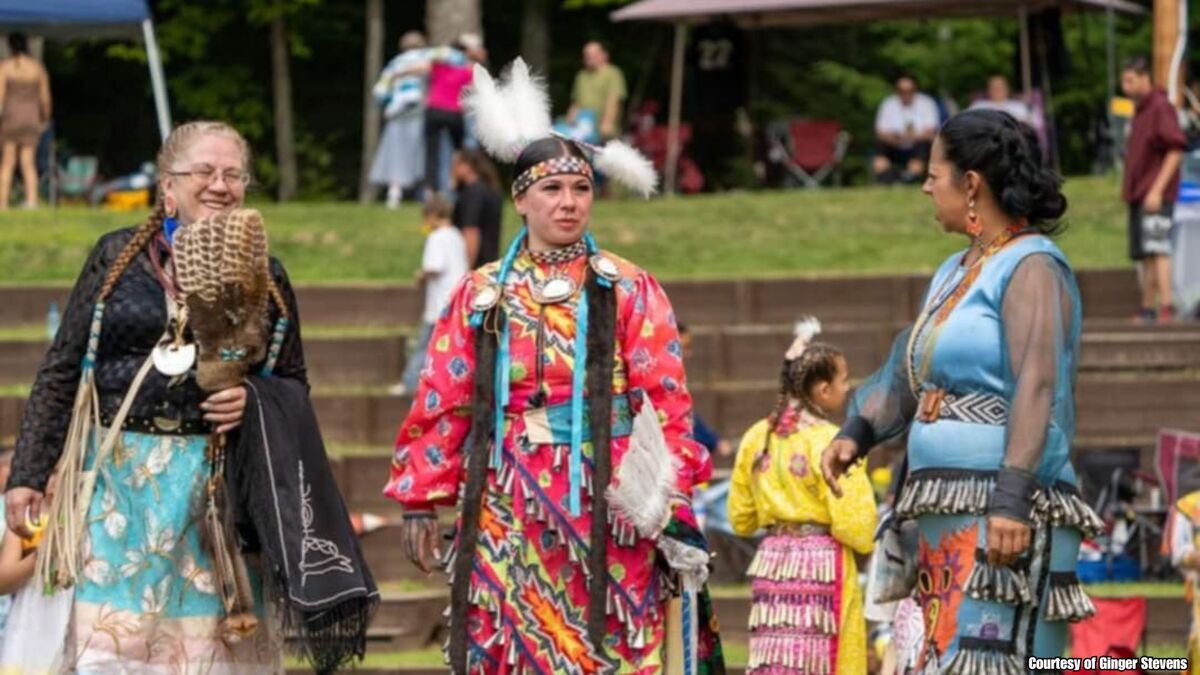
The ancestral land will once again feature dancing and traditional drumming showcasing the native culture and spirit that was ingrained in its soil and bringing to life the history that is unknown to many.
In the American school system, much of what is taught about Native American history is lumped together, when in actual fact, it consists of many different cultures and languages, Shawn Stevens said.
Many students grow up without learning about the specific tribes that lived in their area, their traditions, or their continued presence today. This lack of education leads to misunderstandings and a lack of awareness about Native American communities, he said.
They hope that, with the cultivation of more events, such as this, and the adjustment of curriculum from native elders, will help locals living on the ancestral land understand that the area has a much bigger, deeper, longer history, he said.
"Knowledge is power, and everyone agrees, no matter where you fall, on which side of the fence on any kind of debate, knowledge is power. What we're hoping to do is share that knowledge, share our knowledge, and let people know we are still here and can live in harmony," Ginger Stevens said.
"There's always a history out there, but the people in this area have been so very welcoming, and they've just greeted us with open arms. And we want to be able to return that sentiment and build upon it, build a relationship between the locals and our tribe and our tribal members."
Building this relationship opens lines of communications and helps us grow as individuals and as a group, she said.
The event shares a part of their culture and helps people learn the difference between appropriation and appreciation.
"Coming and sharing our culture is appreciation. Some people are afraid that it's appropriation. If you showed up wearing feathers in your hair, that's appropriation. If you come and see us and visit with us and learn about our culture, that's appreciation. And we just want everybody to be able to do that," Ginger Stevens said.
For the locals who choose to bear witness to the ceremony they will learn not only about the history of the land they dwell but also that of the native culture.
The powwow will feature intertribal dancing and traditional drum groups native artisans and vendors, indigenous food, cultural demonstrations and storytelling, educational experiences, interactive family-friendly activities, and opportunities for community connection.
Tags: Native American,