Central Berkshire Regional Schools: 2025 Year in Review
DALTON, Mass. — The Central Berkshire Regional School district saw a lot of success and change this year including new administrators, policies, and state recognition.
District Improvement Plan
The district kicked off its year with the goal to focus on equitable learning, social-emotional support, and family engagement.
In an effort to support high-quality instruction, the district has implemented a new curriculum, leveraged instructional leadership, restrictions some of its Tier 2 supports, collaborated with families and local organizations, and established new programming.
Administration Change
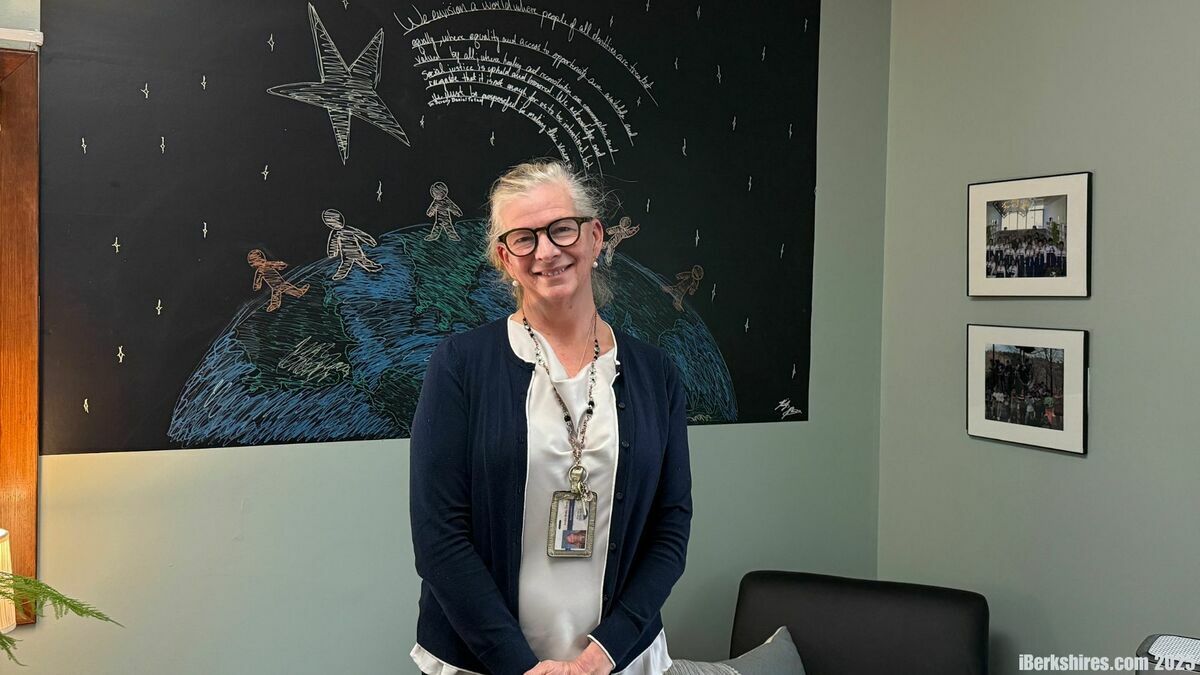
Following the establishment of a search committee, the School Committee unanimously voted to offer the position to Michael Henault, who had been the district's assistant superintendent for three years.
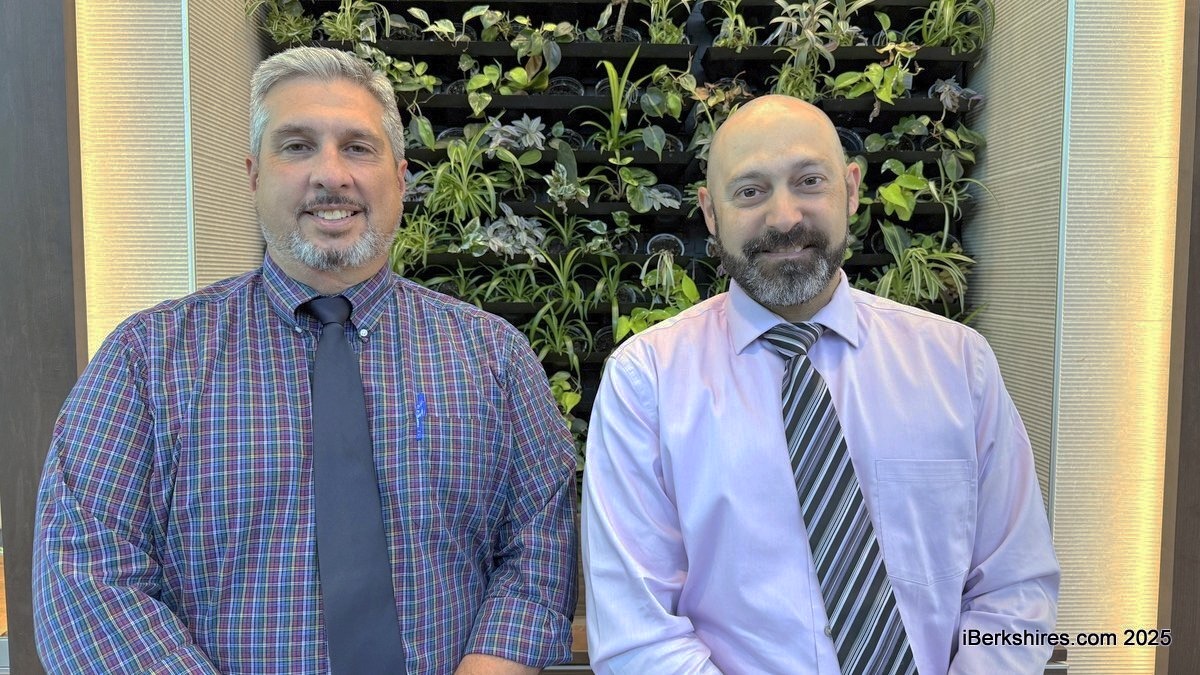
Henault then appointed Aaron Robb, Wahconah Regional High School's principal, to the assistant superintendent position. The duo started their new roles on July 1.
Regional Agreement
After two years of revisions and discussions with towns, six out of the seven towns approved the updated regional agreement in September. It has been sent to the state Department of Elementary and Secondary Education for approval.
The original agreement, created in 1958, has been amended several times and approved locally but never by the state Department of Education, which is required.
Cell Phone Policy
In 2023, the district updated its cell-phone policy to prohibit use during school hours to ensure that the use of cell phones or other electronic devices by students and staff does not interfere with learning.
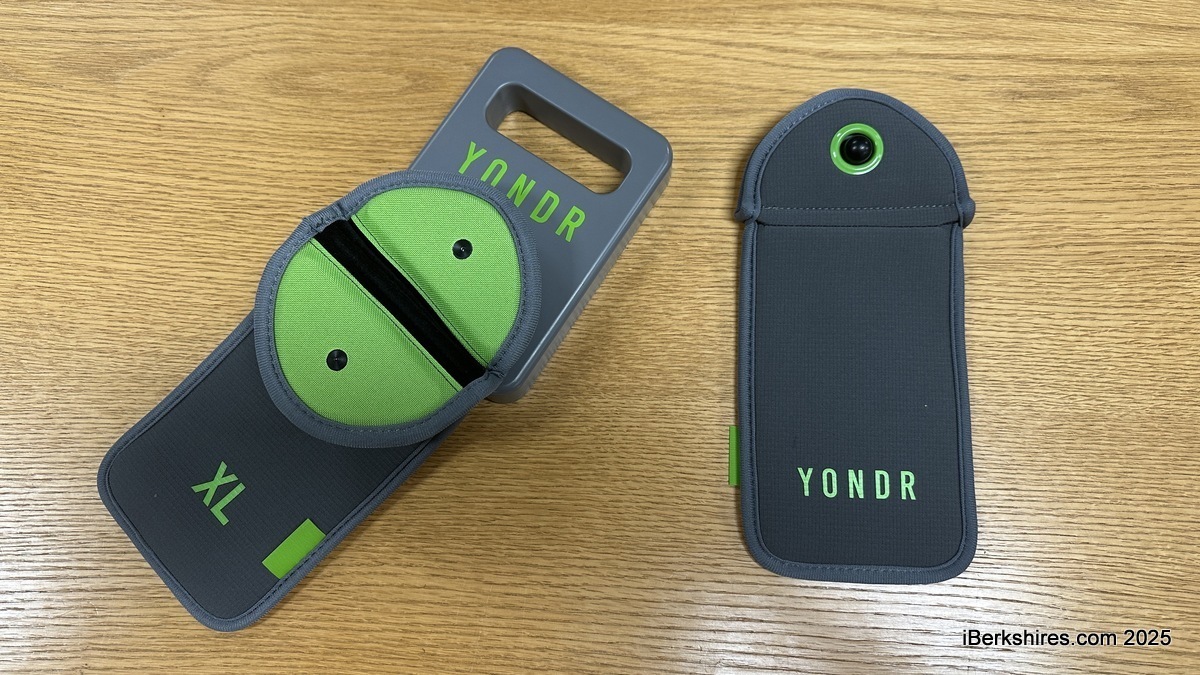
To accomplish a cell-phone free learning environment the district has been utilizing Yondr pouches in the middle and high schools.
The pouches make cell phones inaccessible to students but allows the students to keep phones in their possession and has been a gamechanger.
Achievements
The district was recognized by DESE for being one of only 13 districts across the state to meet or exceed pre-pandemic (2019) achievement levels in both English Language Arts and Mathematics for students in Grades 3-8.
Based on 2024 Massachusetts Comprehensive Assessment System scores, the district's growth score for English language and arts is 53 and for math 64; anything above 60 is considered high growth.
At least 50 percent of students without disabilities received scores that are meeting or exceeding expectations, which shows that the district's high-quality curriculum choices are working, she said.
Although the scores showed significant gains it also demonstrated the gaps within the system for students with higher needs, which the district is working to close.
There are two main areas that need attention: first, special educators require more instructional face time with their students; second, the need to enhance opportunities for collaboration between special educators and general educators to support students more effectively, Henault said previously.
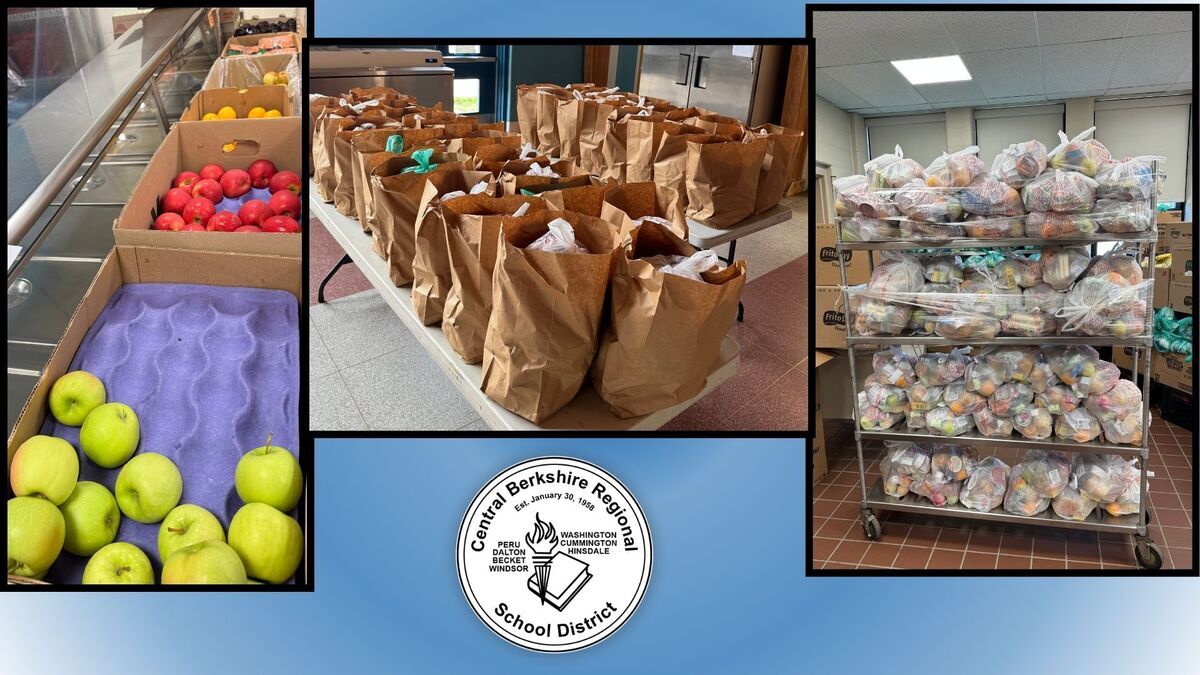
In the month of July alone, the district served 11,410 meals to families with children under 18, said John Tranfaglia, food service director.
The district chose to implement this service using a noncongregate, or distributed, meal system, allowing families to take weekly meals home and enjoy them at their convenience.
This system improves the accessibility of the service because families do not have to schedule their meals around the program's hours, Tranfaglia said.
Navigating AI in Education
With the rise of artificial intelligence, the district is researching the challenges and opportunities AI presents in education to inform future policy and practice.
In September, Robb established an AI ad hoc committee made up of teachers, a student, the IT director, and a School Committee member. The committee has been trying to meet twice a month.
The hope is to gather information so that the district can talk about it more intelligently before debating it.
Throughout the process, the committee will get guidance from Fadia Rostom-Makdisi, computer scientist, AI educational adviser, and former principal of St. Agnes' School.
During the November professional development days, almost 100 district staff and faculty received a three-hour basic AI training from Rostom-Makdisi which covered the how and what of AI and several commonly used AI tools in education.
Tags: CBRSD, year in review,