Pittsfield Sets Fiscal 2013 Tax Rates
|
The City Council opted for tax rates that are steeper for residential than Mayor Daniel Bianchi's recommendation. |
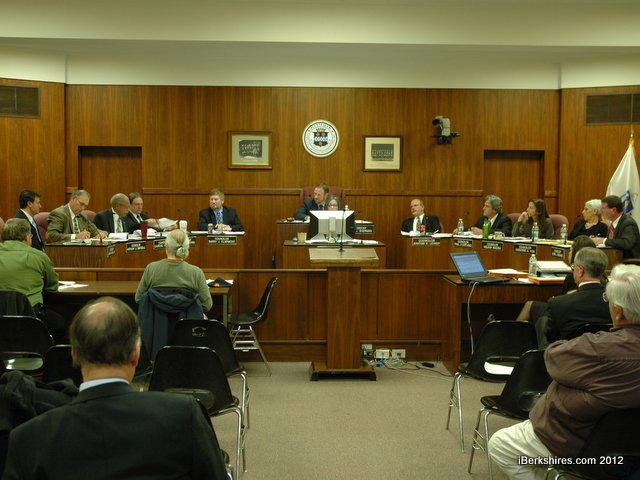
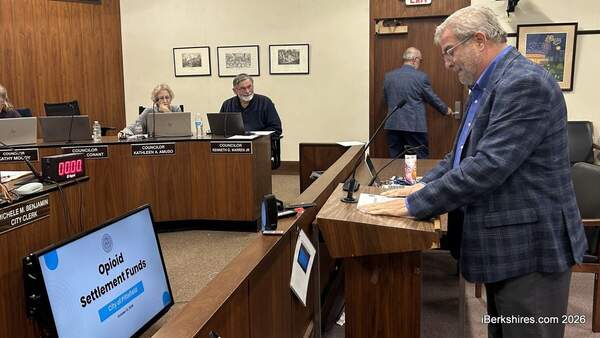
PITTSFIELD, Mass. — The City Council voted Tuesday for a steeper increase in residential property taxes in order to offset soaring commercial tax increases local business owners say are hampering economic development.
The final tax classification approved represents a residential rate increase from $16.11 to $16.70 per $1,000 of assessed value and commercial increase from $32.85 to $34.48, contrary to a proposal put forth by Mayor Daniel Bianchi calling for $16.48 residential and $35.30 commercial rates.
During a public hearing on the proposed classification, several residents opposed larger increases in commercial taxes, echoing sentiments that the rates have given it a "business unfriendly" reputation.
"You can't promote jobs if you're raising taxes on commercial property to double residential rate," said Dennis Miller, who owns property on Crane Avenue, "If I moved a half mile up the road, I could save thirteen thousand a year."
Attorney Jeffrey Cook, who has represented many industrial clients told the council that a large differential between residential and commercial hurts everyone and Phillip Scalise, who owns commercial property for rent, said high commercial rates are hurting the competitiveness in luring businesses to the city,
"We certainly all know how important it is to promote business growth," said Ashley Sulock, Director of Marketing & Communications for the Berkshire Chamber of Commerce, who added that "raising rates this much [as proposed] may very well have a very serious adverse effect on future growth."
Councilor John Krol motioned to amend the commercial property shift factor from 1.72 to 1.68, altering the distribution of the tax increase to the 16.70/34.48 rates.
"To me, it's going in the wrong direction," Krol said of the shift factor to commercial business put forth in the mayor's proposal. "We need to be supporting our businesses, we need to be reflecting our values, that suggest that we are business friendly."
Mayor Bianchi defended the proposed rates he'd put forth, saying this was appropriate to maintain the city's fiscal security without putting too much pressure on residential owners
"I put forth what I thought was a reasonable proposal," said Bianchi, "I think the shift that's being represented [in the council's amendment] is too severe."
Some councilors also felt the change might be too great, suggesting that 1.70 might be a better compromise, but the amendment passed 7 to 4, with the newly agreed upon rates ultimately passing 10-1, with Councilor Kevin Morandi opposed.
"The way to lower people's taxes overall is to build your tax base," said Councilor Barry Clairmont. "Lower the commercial rate, bring in business, create jobs, and then as they build new buildings you'll bring more on the base, and the tax rates will go down."
The full fiscal report enclosed with FY13's Tax Rate Calculations and Classification Options can be viewed here (pp25-51).