'62 Center 'Classroom' Offers Artistic Access to Students, Public
 The Williamstown Theatre Festival is done for the year but the '62 Center will be hopping with Williams College performances and talks that are open to the public. The Williamstown Theatre Festival is done for the year but the '62 Center will be hopping with Williams College performances and talks that are open to the public. |
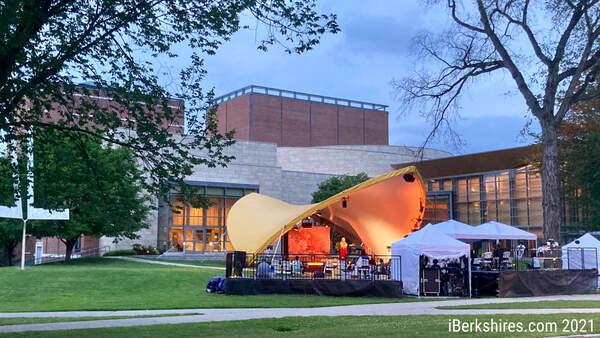
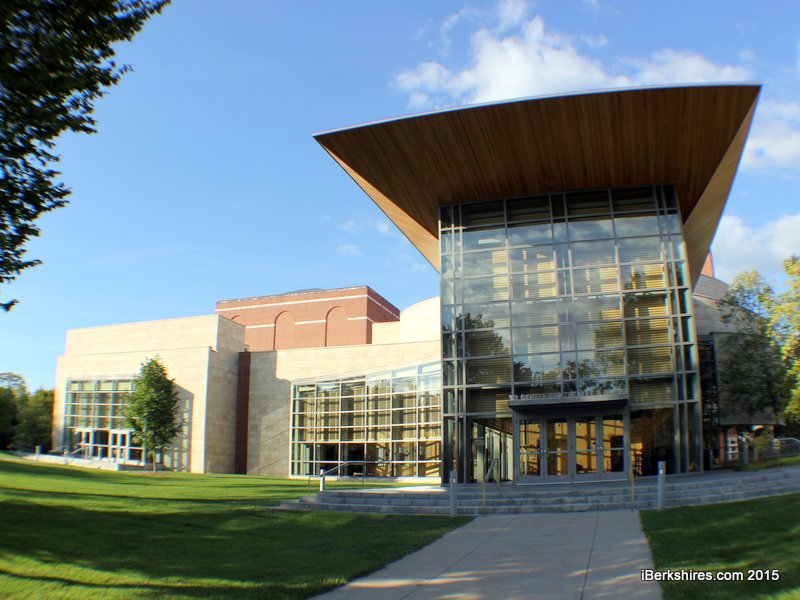
WILLIAMSTOWN, Mass. — The '62 Center for Theatre and Dance is well known as the summer home of the Williamstown Theatre Festival, but did you know that the stages and studios are "classrooms" for student-actors in the academic year?
Working together with faculty and professional artists, the students integrate intellectual, physical, and emotional responses into live theatrical performances.
"We are going into our second decade of programming," Producing Director of '62 Center Randal Fippinger said in a recent interview at the state of the arts facility that opened in 2005. "We produce 60 to 75 shows a season with 125 performances. We use all three stages, Main Stage, Adams Memorial Theatre, and Center Stage.
"There are five series: Theatre Department, Dance Department, CenterSeries, Off-CenterSeries and Additional Happenings.''
Off-Center Series is specifically not on a stage but performed in such places as the MainStage lobby or mounted as a cabaret.
"It is a different way of looking at what an audience is, what a performance space is," Fippinger explained.
"Additional Happenings" are generally events student groups have arranged, such as the Williams Korean Festival or English Department Reading by Fred Moten, a prominent poet and scholar.
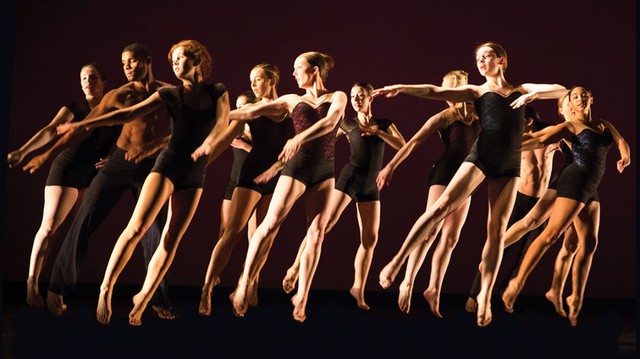
Every season the Dance Department has five ensemble performances and the Theatre Department has either full scale or solo shows.
The CenterSeries has a theme that adds to intellectual conversation on campus.
"Faculty have classes, discussions and formal presentations on the theme," the producer director said
Rachel Chanoff, director of programming, said in a telephone interview, "The 2015-16 CenterSeries has been programmed around the campuswide and interdepartmental Gaudino initiative theme "At What Cost?"
For instance, what is the moral cost of choices we make?
Professional artists are brought to campus for residencies that culminate in performances at the '62 Center.
"Together with a committee of professors, we explore about 50 artists, and bring 5 to campus," said Chanoff. "It is a rare chance to interact with world-renowned artists."
The resident artists work has themes similar to those of the CenterSeries.
"They are not only interested in coming to Williams to perform at the '62 Center, but because pieces of their work connect with scholarship," said Chanoff.
Artists in residence give lectures, visit classes, lunch with students and faculty, conduct workshops at Mount Greylock Regional School, as integrated programming.
This year the college has a new initiative, The CenterSeries Award, in which it funds internships for up to four students to work with professional artists the summer before they come on campus. Faculty, fellow students and staff nominate students for the award.
Preparation for the 2015-16 season began in 2014.
"It takes a couple of months to get a show together, to rehearse, line up professionals, do general organizing," said Fippinger. "Once shows are going up, you are very focused on student and professional artists and making the show open. I take care of what is happening in front of the stage. Cosmos [Catalano, longtime theatre production manager and technical supervisor] takes care of what's happening backstage.
This season's offerings include drama, music, comedy and a roving performance.
The first was this past Sunday's performance by iconic Ronald K. Brown, the first Mellon Fellow in Choreography at Williams, of "Journey of the Great Mystery," bringing together Williams students and alumni, community members and members of Brown's dance company Evidence.
On Friday at 8, Ohad Naharin and the contemporary Batsheva Dance Company offer a retrospective of 10 years of work.
Among performances later in the season are a new version of William Shakespeare's "The Tempest," with elaborate stage effects, "Untitled Opera About Robert Moses and Jane Jacobs," a story about New York City and the lengths to which people will go to protect their neighborhood from demolition, and Kusika and the Zambezi Marima Band.
Tragic love-triangle "Blood Wedding," by legendary Spanish poet Federico Garcia Lorca, is being staged by American director Kameron Steele in a style that is part magical realism, part dance theater.
A solo performance Roger Guenveur Smith, "Rodney King" is described as a "riveting exploration" of the legacy of a moment in American history. Smith's performance has earned him praise from The New York Times: "Roger Guenveur Smith gets it all and gets it brilliantly."
The Williamstown Theatre Festival will not return until next summer, but in the meantime, the '62 Center for Theatre and Dance will provide the community with high quality productions showcasing student actors and renowned professionals.
General admission to performances $10 and under. For more information and a schedule of events: 62center.williams.edu.
Tags: fine & performing arts, Williams College,