GE Aesthetic Improvements Begin as Part of Rest of River Agreement
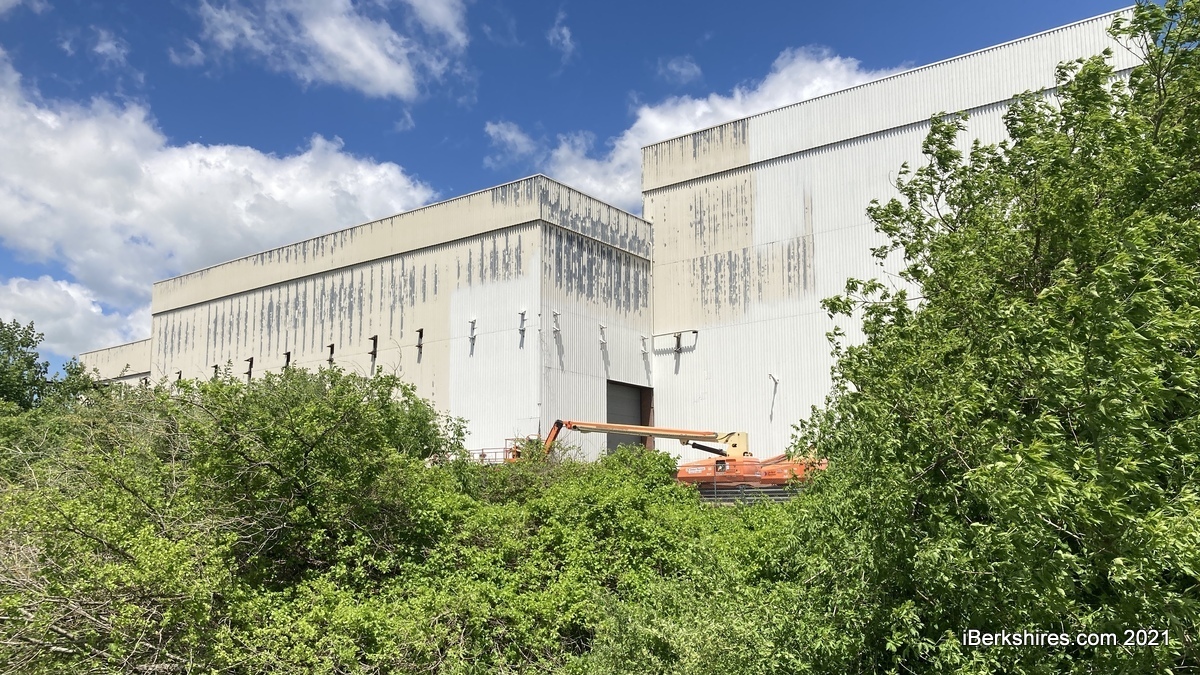
PITTSFIELD, Mass. — The imposing General Electric buildings on East Street are getting a facelift.
As part of the Rest of River settlement agreement that requires General Electric to remove contamination caused by polychlorinated biphenyls used to manufacture transformers at its former Pittsfield plant, aesthetic improvements have begun at the GE property on East Street beginning with exterior repainting of the buildings.
The improvements will also include the removal of exterior equipment such as the pipe trestle over the railroad tracks, vent stacks along Tyler Street, the removal of barbed wire from some fencing, and landscaping on GE property south of East Street.
"I'm just thrilled that we've been able to make some progress here," Mayor Linda Tyer said. "It's such a massive space right as it approaches one of the gateways to our downtown, and so I'm just really thrilled that they honored their commitment, and they're getting it done."
The mayor is pleased with this development and sees it as a big win for her administration. In regular communications with GE, she had advocated for the city by asking the company — which has a grim reputation among locals — to maintain their properties so they don't create a blighted condition for residents.
"This is part of the settlement agreement that we entered into with General Electric, as part of the Rest of River cleanup, and when we started talking with them, there were certain things that we wanted them to consider, and one big part of it was the condition of their existing properties and existing buildings, and how it was creating an unpleasant community environment," Tyer said.
"It was really important to me that they start taking responsibility for the buildings in the property."
The city also got GE to commit to transforming three former parking lots on Tyler Street Extension into green space, which were completed last summer. The administration has also gotten GE to consider the demolition of some unused buildings on the property to improve visibility.
Tyer believes that it is important to have a good working partnership with General Electric in order to accomplish these things that aid the city.
"Since I became mayor, I've been really determined to improve the quality of life in our community, in our neighborhoods, in our in our business corridors because when you're not taking care of the small things, it affects people's attitudes about the place where they live," she said.
"And I think it's really important that we engage in a productive partnership with GE, even though we have some past harms, but we really still need to have positive working relationships with that we can accomplish things like painting this building. So I think it's really important that as we continue to build a city for the future, that these things are paid attention to and taken care of."
The "Revised Final Permit" for the Rest of River cleanup plan was issued under the Resource Conservation and Recovery Act in December 2020. It spells out the required cleanup measures to be followed by General Electric Co. to remove contamination in the Housatonic River caused by PCBs.
The final permit updates EPA's 2016 cleanup plan for the river, its floodplains, and other surrounding areas that were challenged by multiple parties before the EPA Environmental Appeals Board.
The U.S. Environmental Protection Agency is set to oversee the $576 million cleanup of the Housatonic River over the next 15 years.
Tags: General Electric, Rest of the River,