Dalton Residents Raise Concerns, Benefits About ADU Bylaw
DALTON, Mass. — Town residents and officials last week expressed concerns about parts of a proposed accessory dwelling unit bylaw.
There was a sense, however, at Wednesday's public hearing that such a bylaw, correctly implemented, could benefit the community.
Select Board member John Boyle said there are many aspects that should be taken into account before the bylaw is passed. One concern is that it could change the tranquil environment that Dalton residents enjoy.
"I think it's a fine idea, but it definitely needs fine tuning," Boyle said. "And as elected officials we're honor bound, duty bound to look at protecting the other residents in town that aren't going to be affected directly by this but could be affected indirectly by having a unit placed in essentially their backyard. And people in his town they value their quietness, value their peace, they value their tranquility and this issue."
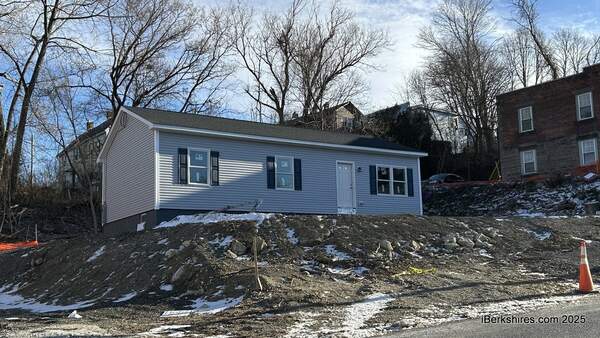
The Accessory Dwelling Unit committee, which developed the bylaw, explained how an implementation of the bylaw would be good for the community because it increases property value.
Committee member Jared Mongeon said, "If you're attempting to sell your home and you're not really receiving many offers, it could be worth building an ADU on your property. Adding one of these can bring a much different buyer to your table or maybe willing to offer you a much higher price point that they will be able to offset their mortgage payment and income generated by renting the ADU."
One of the concerns that many participants expressed is the 5-foot setback and conflicts that may occur between neighbors surrounding it.
Agnes Witkowski, the town's health agent, said neighbors could have a problem with being so close.
"That's my concern, and then we could have an increase in housing nuisance with that," she said, adding, however, that "I could see the need for the ADU in the town, as people age."
Witkowski said there is a need for these units for elderly individuals who wish to keep their independence after moving in with family members.
Kelly Pizzi, the director of the Council of Aging, said, "I also wanted to point out that the ADUs are not cheap to build them, you know, they they have to follow local codes. And it's up to the towns to come up with those codes in the zoning, and stuff, which includes the height of the building, the size of the building, the location, on the property, energy efficiency, the design, so it fits in the communities.
"It's really important for elders to be able to stay independent in their communities, they don't want to move in with their children. They want to have their own space. And so I don't think you know, everybody's going to be throwing up an ADU because it's not cheap."
Wendy Brown, an architect, also had concerns with the 5-foot setback and raised other considerations before implementation.
"The other one [concern] was possibly not allowing building detached in floodplain areas. And then also, right now an accessory building is limited to 625 square feet," she said.
Participants did mention the bylaw would help conform to Dalton's changing family sizes.
"People who bought homes or were born in the town or Dalton have grown up, raised their families and now that they want to downsize, there's no place for them to go," Pizzi said. "So they're winding up having to go to Pittsfield, Lenox and other areas that offer housing that's not like a large house."
Other communities in the surrounding area have implemented similar bylaws to help with the public's need for it, according to the ADU committee's presentation.
"Local communities, Great Barrington, Easthampton, Greenfield, and Plainfield have already touched on the movement," Mongeon said.
Andrew Perenick, the chair of the Planning Board, affirmed how crucial the participants' comments are to the finalization of the bylaw.
"We're going to have the Planning Board discuss any of your comments, just to make sure we have them clear. We just want to make sure everybody feels that their point or question has been heard this evening," Perenick said. "Tonight's public comments will be taken into consideration when drafting the final text of the proposed bylaw"
The comments placed during the public hearing will be taken into consideration when composing the final draft of the bylaw.
Tags: accessory dwelling, bylaws,