EPA Issues Final Decision on $576M Rest of River Cleanup
BOSTON — The U.S. Environmental Protection Agency on Tuesday issued its final permit decision obligating the General Electric Co. to perform a cleanup of the so-called "Rest of River" portion of the GE-Pittsfield/Housatonic River Site.
"EPA is requiring GE to move forward with the Rest of River cleanup plan documented in the final permit," said EPA Regional Administrator David W. Cash. "The communities along the Housatonic deserve access to a river free of threats posed by PCBs, and issuing the final permit today is a big step towards that cleanup goal."
The cleanup is estimated to cost $576 million and will take approximately two to three years for initial design activities and 13 years for implementation.
The Revised Final Permit is a step toward reducing PCBs in and around the river and is expected to reduce risk of human exposure. Some of the goals of this permit include achieving:
- Reduced risks to children and adults from direct contact with contaminated soil and sediment;
- Reduced soil contamination in the floodplain allowing recreational and residential use without unacceptable risk, and
- Reduced PCB concentrations in fish to levels that allow increased consumption of fish caught from the River in Massachusetts and Connecticut.
"Today's decision by the EPA will support the recovery of past wrongs that have impacted the communities along the Housatonic River for over 70 years. It is the result of the hard work of community leaders and will ensure the Housatonic River can be enjoyed for generations to come. We will continue working with our federal, state and local partners to hold GE accountable for meeting all of its obligations and seek the environmental justice our communities deserve," said U.S. Sens. Edward Markey and Elizabeth Warren and U.S. Rep. Richard Neal in a joint statement.
After a lengthy public comment process, EPA issued the Revised Final Permit, outlining the cleanup plan for the Rest of River in Massachusetts and Connecticut, on Dec. 16, 2020. Following that, the Housatonic River Initiative and the Housatonic Environmental Action League petitioned EPA's Environmental Appeals Board for review of the Revised Final Permit.
On Feb. 8, 2022, the board issued a 122-page decision denying the appeal of the revised permit. The board denied the appeal in all respects.
EPA notified General Electric Co. on Tuesday of the Region's final permit decision, and the permit became effective and fully enforceable. EPA officials say the agency remains committed to the work to protect human health and improve the ecological health of the Housatonic River and its floodplain by implementing the remedy called for in the permit.
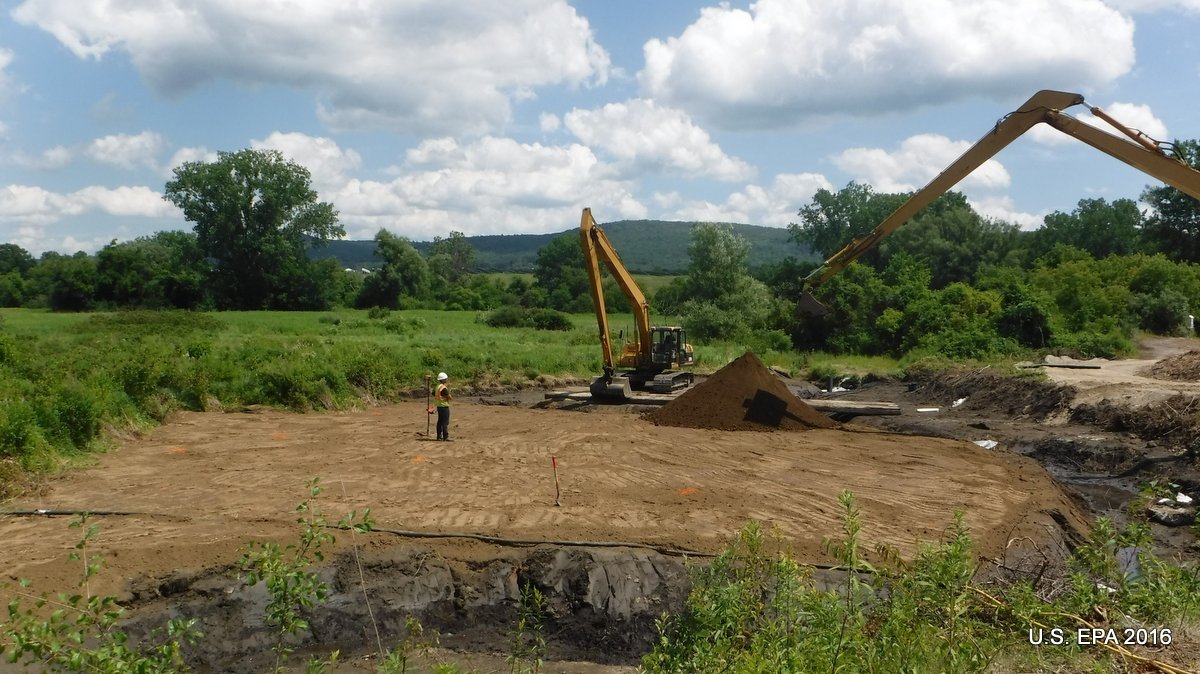
The Revised Final Permit requires GE to clean up contamination in river sediment, banks, and floodplain soil that pose unacceptable risks to human health and to the environment. GE will excavate the contamination of polychlorinated biphenyls, used in its former capacitor manufacturing in Pittsfield, from 45 acres of floodplain and 300 acres of river sediment, resulting in removal of more than one million cubic yards of PCB-contaminated material.
Most of the sediment and floodplain cleanup will happen within the first 11 miles of the Rest of River in the city of Pittsfield and the towns of Lee and Lenox. Phasing the work will disperse the effects of the construction activities over time and locations.
The excavated material will be disposed of in two ways: materials with the highest concentrations of PCBs will be transported off-site for disposal at existing licensed disposal facilities, and the remaining lower-level PCB materials will be consolidated on-site at a location in Lee.
Tags: contamination, EPA, General Electric, Rest of the River,