Pittsfield Council Sees Fourth Quarter ARPA Funding Uses
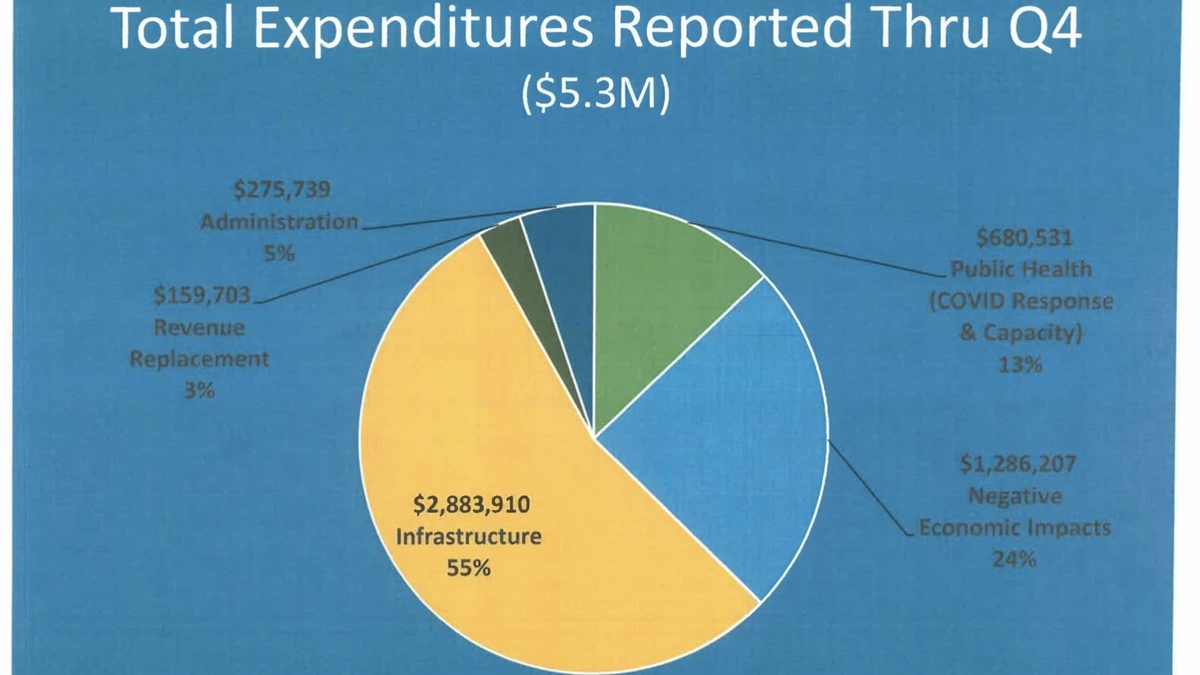
PITTSFIELD, Mass. — About $1.6 million in American Rescue Plan Act funds were expended in the last quarter of 2022 with almost half being used to remedy negative economic impacts from the novel coronavirus.
About $742,000, or 46 percent, was spent in that category, and about $417,000, or 26 percent funded public health.
Nineteen percent, about $296,000, went toward infrastructure, about $83,000 for revenue replacement and about $65,000 for administrative costs accounted for the remaining nine percent.
In 2022, there was $5.3 million in ARPA monies spent. Of the city's nearly $41 million allocation, about $38 million has been obligated.
"So there is about 2.5 [million] that has not been committed to date," Special Project Manager Gina Armstrong reported to the City Council on Tuesday during an ARPA presentation.
She highlighted the fund's impact through several community partnerships, totaling a disbursement of more than $703,00 in the fourth quarter.
Both the Goodwill Training and Donation Center and the Berkshire Dream Center received a boost for roof replacements.
The BDC was given $245,000 for a full replacement and repair of the roofs on its facility.
"The center does such incredible work and they had, because of the roof being in such disrepair, they had ceilings leaking in their main entryway and it was really creating difficulties for their operation," Armstrong said.
"Through that project, which was completed a few weeks ago, that means they can continue to serve their food pantry and food trucks."
In 2022, the center served more than 8,000 people through its food pantry and food trucks, 3,657 people at the restaurant-style soup kitchen, and 450 children with school supplies. Nearly 90 volunteers assisted with these programs.
"This goes way beyond just the impact of a roof repair with so many people benefitting from that," Armstrong said.
Some $50,000 in ARPA funding was given to the Arts in Recovery for Youth program, which started over the summer, to build organizational capacity and financial support. The skills-based suicide prevention program is for ages 13 to 24 and is located on North Street.
In Q4 the program served 14 youths and had an average reduction in suicidality of 78 percent. The youth served were 62 percent female, 64 percent LGBTQIA-plus, and most were from low-income neighborhoods.
"This was particularly important in response to the pandemic and the needs of our youth in coping through that long isolated period," Armstrong said.
The Berkshire Community Action Council received $500,000 for its weatherization remediation assistance program that removes barriers to the weatherization of homes of low-income city residents.
Through Q4, there were 15 projects completed and 12 in progress. This includes asbestos removal, structural or plumbing repairs, cleaning, vermiculite removal, and knob and tube wiring removal.
The financial assistance per household averages about $5,000 per remediation project.
"These outcomes are really significant. They help people stay in their homes, they improve the living conditions, they improve the health conditions, they increased home values, and result in significant energy savings," Armstrong said.
"So this is an investment that we're really seeing tremendous outcomes and they have a large volume of applications so we anticipate that they will utilize these funds in the next couple of years."
Armstrong also highlighted the $13.8 million that was spent on the city projects, which she said resulted in no issuance of debt or impact on utility and tax rates.
ARPA-funded city projects:
- Water and sewer infrastructure: $6.6 million
- Schools and HVAC upgrades: $3.4 million
- Parks and recreation: $1.2 million
- Sidewalks: $900,000
- Fire stations: $605,000
- Library: $533,000
- Public health: $516,000
During a previous presentation, council members had asked for more detailed information on ARPA expenditures and were pleased to see that the request was granted.
Among other questions, Ward 1 Councilor Kenneth Warren pointed out that roads and sidewalks are a big issue and asked for more information on the project.
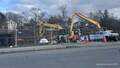
Commissioner of Public Services and Utilities Ricardo Morales explained that the sidewalk work has been divided into three areas, the Morningside, West Side, and near the downtown area. All are qualified census tracts.
The Morningside area is very close to being completed.
"With conversations we're going to be having about resurfacing and sidewalks and where funding comes from, my ward for example, most of my ward is not eligible for this funding and it's not eligible for, like Community Development Block Grant funding either so we get a higher allocation of Chapter 90 funds and local funds since other areas are able to get more grant funding," Ward 5 Councilor Patrick Kavey explained.
"So when we go down this rabbit hole of why certain wards maybe got less funding than others, I think we should look at the whole picture and look at how much grant funding those wards receive."
Tags: ARPA,