Alcohol Control Commission Holds Seminar for Pittsfield Licensees
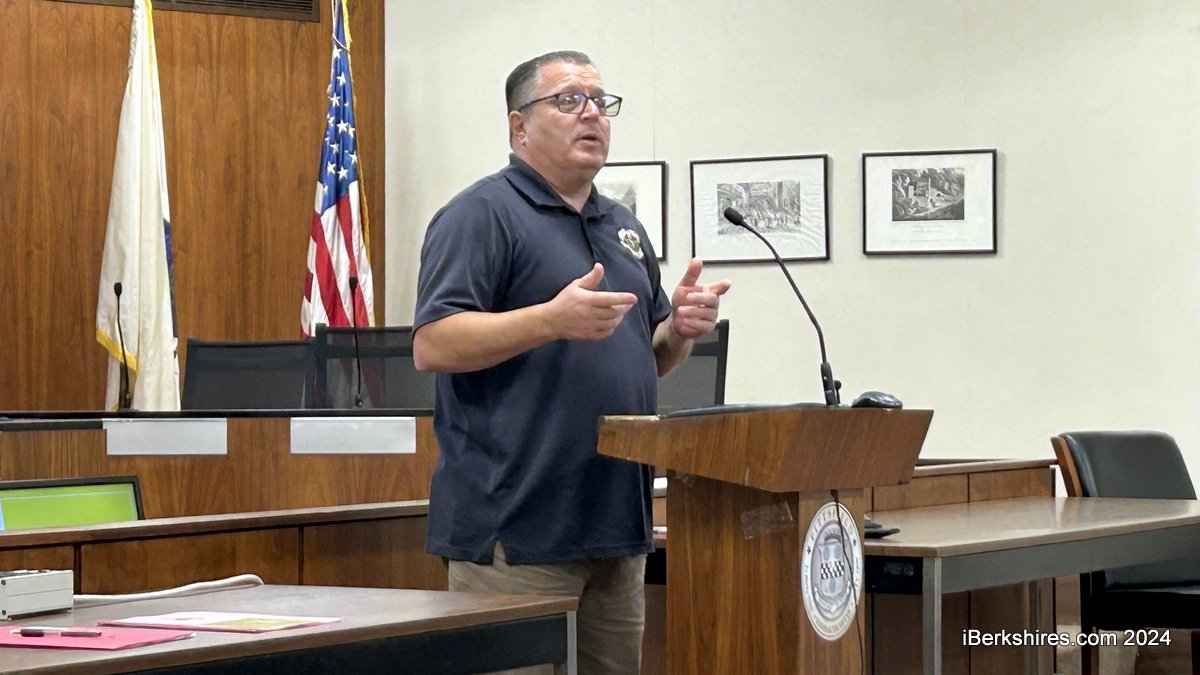
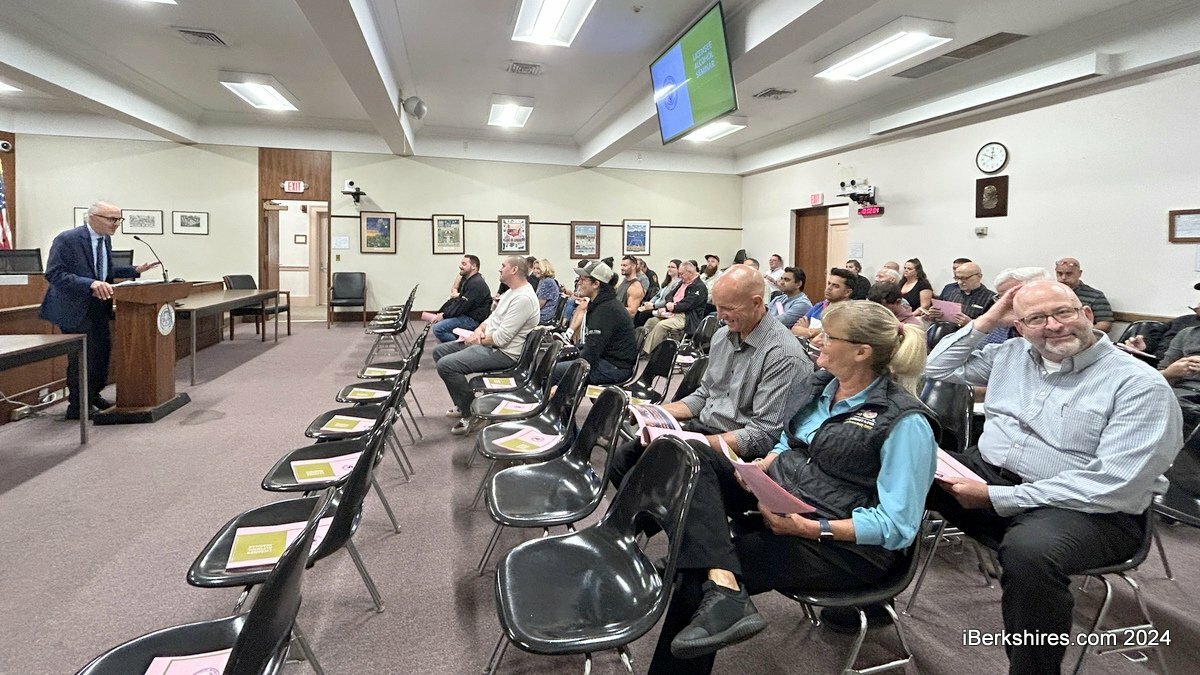
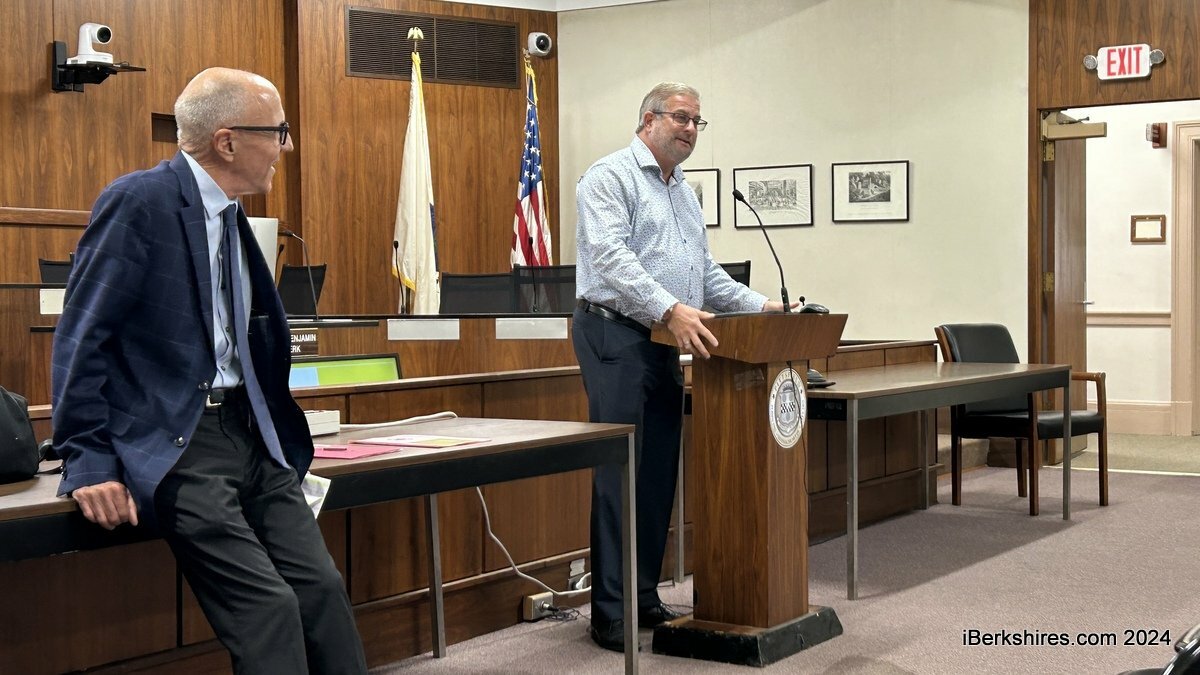
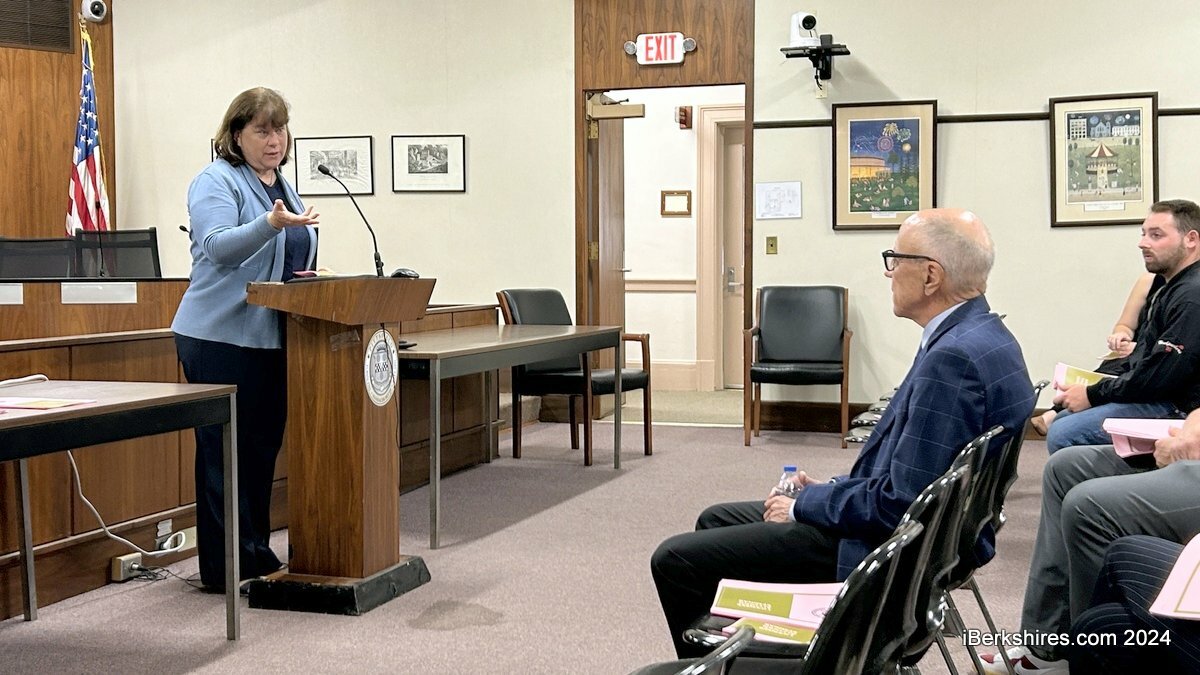
PITTSFIELD, Mass. — City restaurateurs gathered in Council Chambers on Wednesday for a refresher on alcohol regulations straight from the source.
The Alcoholic Beverages Control Commission held a mandatory seminar that covered topics ranging from liquor license changes to fair labor standards.
"Today is an opportunity for us to give you the information you need to be successful," Executive Director Ralph Sacramone said.
"Then also on top of it, give you solutions and what actions you are going to take."
He said Pittsfield has leaders who are proactive with businesses and make it fair and equitable for everyone, citing weekly conversations with Licensing Board Chair Thomas Campoli and communications with Mayor Peter Marchetti and state Rep. Tricia Farley-Bouvier.
"I think it is important for all of you and important for the city because I know the last thing we want to do is penalize any establishment in Pittsfield for any violations," Marchetti said, emphasizing the importance of communication and working together.
Farley-Bouvier noted Campoli's dedication to making businesses better and the city safer in his volunteer position.
She is particularly interested in making sure that new kinds of food from other ethnicities are welcome in Pittsfield as a part of making sure that everybody feels welcome.
"One of the very entryways that we have into another culture is by visiting a restaurant," she said.
"One of the ways that we make our neighborhoods more interning and more fun and more welcoming to people from other communities is through restaurants."
Campoli pointed out that ABCC intended to demystify the system.
"It's no exaggeration to say that Ralph has always been just a cell phone call away," he said.
Marchetti and Farley-Bouvier seconded the statement.
"I've never had a liaison like this before that when he gets a call, he takes action immediately," she said.
The mayor spoke of a conversation he had with a 22-year-old in the Blackshires organization who wanted to open a disco club in the city.
Marchetti asked what he would have for security, pointing out that people may flock to a late-night club after other establishments close, and the entrepreneur hadn't thought of that.
"As you know, you guys have some really serious business on your hands," he said.
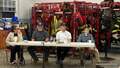
Also in attendance were Deputy Director Ryan Melville, Chair Jean Lorizio, General Counsel Kyle Gill, and Community Outreach and Resource Planning Specialist for the U.S. Department of Labor Thomas Carroll.
The presentation included a recent update to outdoor patios and seating. ABCC approval is no longer required for amendments to add outdoor alcoholic beverage table service areas and is done through local licensing authorities via an updated License Authority Certification form.
The new law does not prevent the ABCC from exercising its enforcement authority over an amended license or limit appeals.
In May, the state Department of Public Health and the Department of Agricultural Resources issued a joint notice on food and beverages containing hemp-derived CBD or THC.
It was explained that manufacturing or selling these products is illegal, whether they contain alcohol or not.
Licensees found in violation of importing, manufacturing, transporting, selling, or possessing these products could face suspension or revocation of the license.
The advisory doesn't apply to marijuana products manufactured under the jurisdiction of the Cannabis Control Commission.
Tags: license board, ABCC, alcohol license,