image description
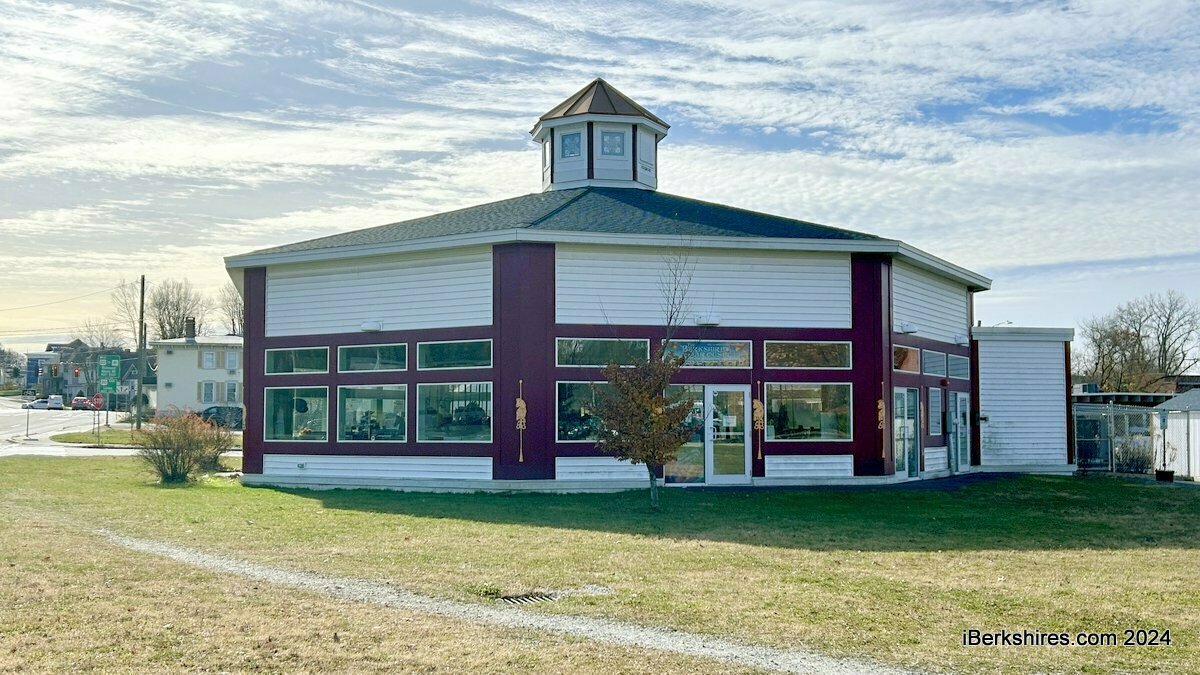
The carousel opened to enthusiastic fans in 2016, it has not operated since 2018 after leadership and funding fell apart.

Berkshire Carousel Offer Withdrawn, Volunteers Plan Reopening

By Brittany PolitoPrint Story | Email Story

PITTSFIELD, Mass.— The Berkshire Carousel offer has been withdrawn, and a volunteer group plans to reopen it.

Tuesday’s City Council agenda includes withdrawing an order to accept a conveyance and donation of land at 50 Center St. (the Berkshire Carousel.) While the carousel, owned by James Shulman, opened to enthusiastic fans in 2016, it has not operated since 2018 after leadership and funding fell apart.

“On January 17, 2025, I received an email from Mr. Shulman notifying me of his withdrawal of the gift of the carousel and conveyance and donation of land at 50 Center Street,” Marchetti wrote.

“Given this set of circumstances, I no longer intend to create a committee to study the carousel project.”

The mayor’s office said it understands that Shulman is working with friends of the carousel group on other operations plans.

On Friday, iBerkshires.com received a press release from a volunteer group affiliated with the Berkshire Carousel, Inc., announcing the course's reopening in the spring.  It explains that when the volunteers learned that the ride could be revived, they began working with the Berkshire Carousel, Inc. to offer an opportunity for it to be run “By the people who love it most.”

The group reports that an opening date will be announced soon.

“We are excited to reintroduce the Berkshire Carousel to our community,” said Janet Crawford, volunteer group coordinator.


“This carousel is more than just a ride; it’s a testament to the creativity and dedication of our volunteers, and we can’t wait to see it being enjoyed by everyone who visits.”

Conversations began in November when the conveyance and land donation were brought to the council. A 2025 operational model and budget put forward by the donors costs about $61,000 annually and brings in the same amount of money, with $25,000 income from rides alone if they cost one dollar. It also included a $15,000 gift from the Shulman family.

Not included in the donation were seven of the 33 carved horses and free-standing carousel figures and two sheds located on the property.

Shulman asked that the property be maintained as a permanent, small park named "Shulman Family Park," even if the carousel is relocated. And, in recognition of the volunteers and sponsors who helped create the carousel, he asked that its building be named "The Berkshire Carousel Pavilion."

In December, the Finance Subcommittee determined that more conversation is needed before the decision and it was recommended that Marchetti enact a committee to review it.

Community members and officials voiced support for saving the carousel, attracting visitors to the area, and providing more activities for children. Concerns included the operational costs and the location.

“The Berkshire Carousel Is not just a local attraction—it is a living piece of art, handcrafted by volunteers and artisans over many years. Its reopening marks a new chapter, continuing to serve as a gathering place and source of inspiration for residents and visitors alike,” the volunteer group wrote.
If you would like to contribute information on this article, contact us at info@iberkshires.com.

Berkshire Towns Can Tap State Seasonal Communities Resources

BOSTON — Governor Maura Healey announced that 18 additional municipalities across Massachusetts have been designated as Seasonal Communities, opening up new tools, support and grant funding to help them manage seasonal housing pressures. 
 
Created as part of the historic Affordable Homes Act signed into law by Governor Healey in 2024, the Seasonal Communities designation was designed to recognize Massachusetts communities that experience substantial variation in seasonal employment and to create distinctive tools to address their unique housing needs. The law also established the Seasonal Communities Advisory Council (SCAC).  
 
The Affordable Homes Act identified several communities to automatically receive the designation, including:   
  • All municipalities in the counties of Dukes and Nantucket;   
  • All municipalities with over 35 percent seasonal housing units in Barnstable County; and   
  • All municipalities with more than 40 percent seasonal housing units in Berkshire County. 
  •  
To identify additional communities, the Executive Office of Housing and Livable Communities (HLC) reviewed available data, specifically focusing on cities and towns with high levels of short-term rentals and a high share of second- or vacation homes.
 
In Berkshire County, Egremont, Great Barrington, Lee, Lenox, New Marlborough, Richmond, Sandisfield, Sheffield, West Stockbridge and Williamstown have been designated. 
 
"Our seasonal communities are a vital part of Massachusetts' cultural and economic fabric, but they're also home to essential workers, families, seniors, and longtime residents who deserve a place to live year-round," said Governor Healey. "That's why we're committed to supporting these communities with innovative solutions like the Seasonal Communities designation to meet their unique needs, and I'm thrilled that we're offering this opportunity to 18 additional communities across the state. Everyone who calls these places home should be able to live, work and grow here, no matter the season." 
 
As with the statutorily identified communities, acceptance of the designation for municipalities is voluntary and requires a local legislative vote. HLC will open an application for newly eligible communities that haven't accepted the Seasonal Communities designation to request consideration. 
 
The Affordable Homes Act created several new tools for communities who accept the Seasonal Communities designation to be able to:  
  • Acquire deed restrictions to create or preserve year-round housing 
  • Develop housing with a preference for municipal workers, so that our public safety personnel, teachers, public works and town hall workers have a place to live 
  • Establish a Year-Round Housing Trust Fund to create and preserve affordable and attainable housing for year-round residents 
  • Create year-round housing for artists 
  • Allow seasonal communities to develop a comprehensive housing needs assessment 
  • Permit tiny homes to be built and used as year-round housing 
  • Permit year-round, attainable residential development on undersized lots 
  • Increase the property tax exemption for homes that are the owners' primary residence 
 
View Full Story

More Pittsfield Stories