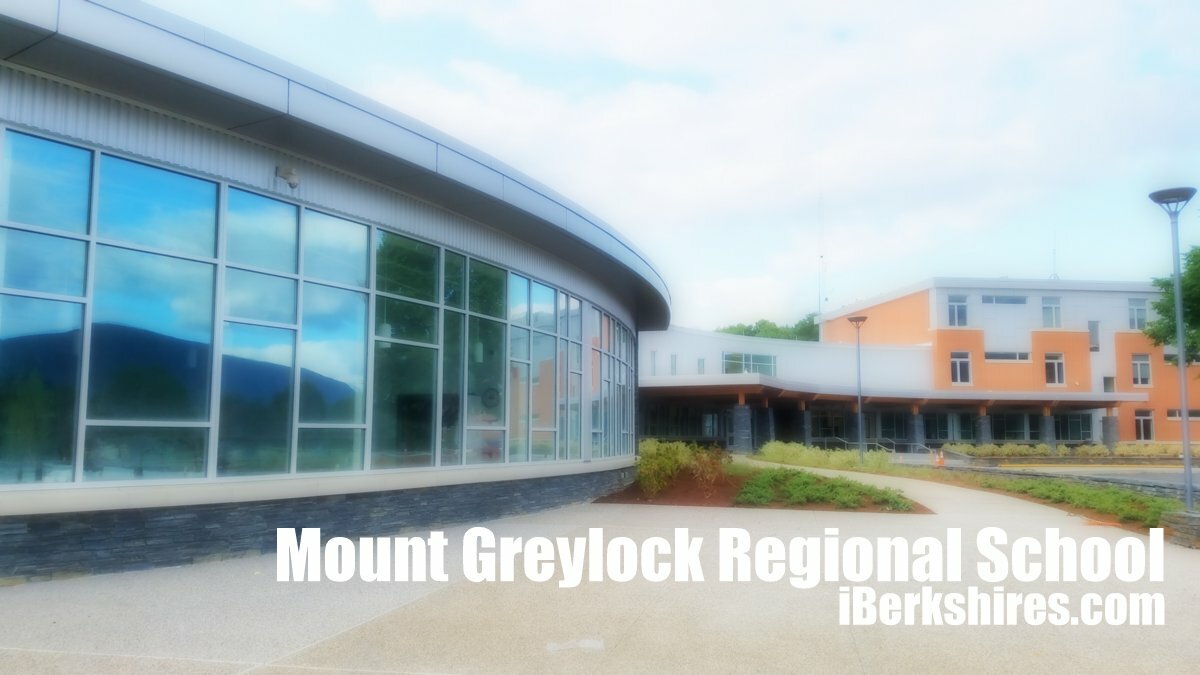
Mount Greylock District Updates Williamstown Select Board on Equity Work
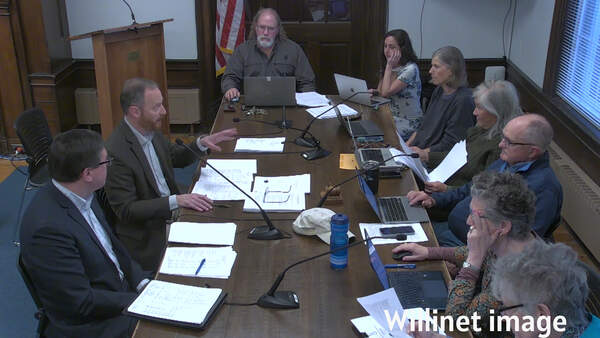
WILLIAMSTOWN, Mass. — The interim superintendent of the Mount Greylock Regional School District updated the Select Board on Monday on efforts to improve the culture in the public schools, including two that rely on American Rescue Plan Act funds supplied by the town.
Joe Bergeron was at Town Hall to talk about the middle-high school's participation in the U.S. Department of Justice's School-Student Problem Identification and Resolution of Issues Together (SPIRIT) program and a districtwide assessment of its process for responding to incidents of bias and bullying.
SPIRIT was a model similar to the DOJ's Strengthening Police and Community Partnerships program in which the town participated in 2022.
"The goal of the program is to convene students from many different aspects of life within a school building to come together and identify areas of interest both in terms of existing strengths they'd love to maintain as well as challenges they'd like to work on with the administration," Bergeron said.
Students worked in small groups with facilitators trained by the DOJ — mostly volunteers from the community, including social workers already trained in leading such conversations, Bergeron said.
"The types of things the students looked at included looking at how the school treats both clubs and co-curricular non-athletic groups along with athletic teams: Do they all feel they have equal funding and have time carved out to explore those endeavors? Do they have time to come back and make sure they have adequate time to make up for an exam or get work done if they miss [school]," Bergeron said. "They had things shared in ways that were constructive and reflective. The opportunity to spend time with peers is an eye-opener for people."
At the end of the day, DOJ representatives collected data from the various working groups to compile and inform an "actionable document" for the district, Bergeron said.
Select Board member Stephanie Boyd, who volunteered to serve as one of the facilitators, echoed Bergeron's comments on the quality of discussion during the daylong event.
"In the morning, I had some of the younger students, and it made me see how seventh- and eighth-graders take on the weight of integrating students from different communities," Boyd said, referring to Mount Greylock's two "feeder" elementary schools, Lanesborough and Williamstown.
"It was amazing to see the thoughtfulness of all the kids. Having some of the theater kids talk to athletes about some of the things that were challenging to them. I think so much learning went on in the sessions regardless of what comes out in the report."
This summer, the Mount Greylock district will receive a written report it can use to update and modify its policies and procedures around bias incidents.
Bergeron said the district has contracted with a Chicago-based consultant called Equity Imperative, whose contract runs through June. The consultant is working in an advisory role with a group of community volunteers to address all aspects of the district's process, he said.
"How can we best evolve to, first off, hear and take in reports of incidents, whether it's in a small classroom environment or at a larger building or district level; how can we make sure we capture the right information' how do we provide the right information back to the reporting people so we they know the steps to be taken and what the timeline is; how can we make sure we're transparent in terms of what we profess to be the range of options based on various events in the district," he said.
That goal of transparency includes both open communication with parties in an incident as well as with the community at large, Bergeron said.
"It's a rewarding process already, and I'm looking forward to what we do over the next five months," he said.
The money to hire Equity Imperative comes from ARPA funds allocated by the Select Board last year.
Another school district project with backing from the town is expected to come to fruition this spring and summer when the district replaces the playground equipment at Williamstown Elementary School.
"The emphasis within the playground is around accessibility, making sure no matter how you get around that you'll be able to enjoy that playground to the fullest extent possible," Bergeron said.
He said a long series of conversations across the school's staff had produced a final design in June, and the district signed a contract mid-summer. The equipment is arriving this winter.
The hope, Bergeron said, is to do the two-week installation around the school's spring vacation. If that can't happen, rather than taking the playgrounds off line for two weeks of the school year, the installation will be done this summer, he said.
Tags: equity, MGRSD,