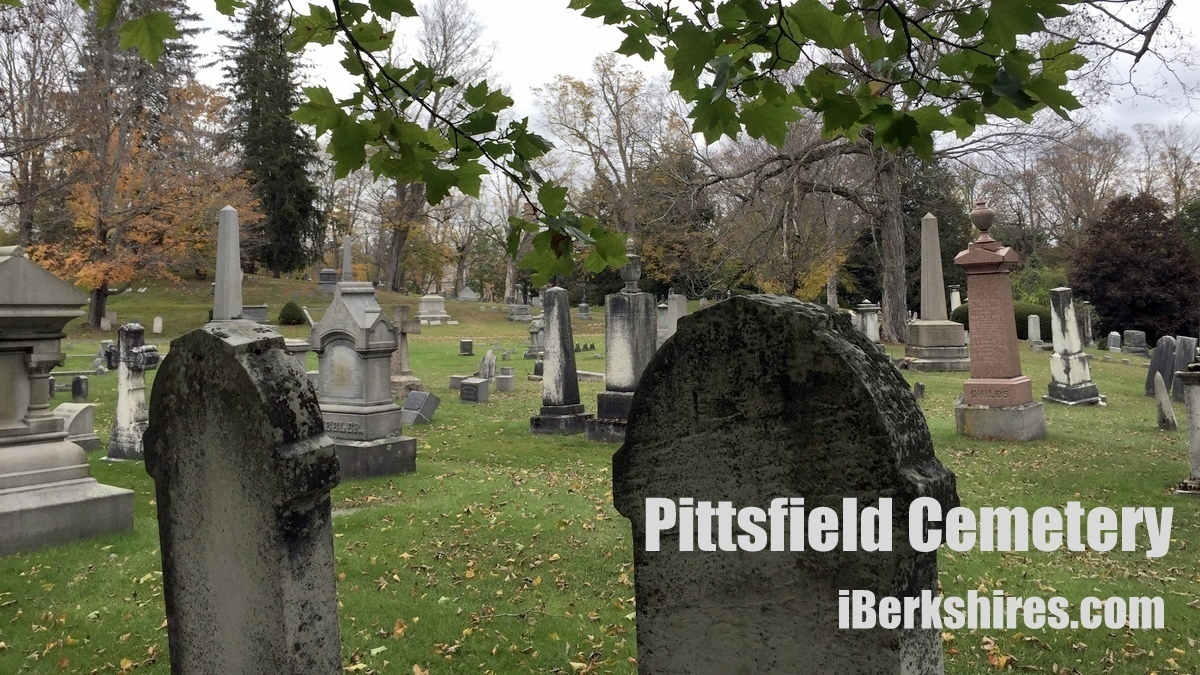
Pittsfield Cemetery Requests Green Burial Regulations
PITTSFIELD, Mass. — Green burials could be another option for burying loved ones in Pittsfield.
On Wednesday, representatives from the Pittsfield Cemetery and Crematory approached the Board of Health, inquiring about how to offer burials that return a body to the ground after death with reduced environmental impact. "Green" generally means no embalming or use of caskets made with metal or hardwood.
"We've had many requests for the green burials, and I know other places have been approved for them, so we are interested in moving forward with them," said Kim Murray, from the Pittsfield Cemetery on Wahconah Street.
About 150 communities in the state allow green burials, and Dalton recently approved them at Ashuelot Cemetery.
Director of Public Health Andy Cambi explained that local guidance would need to be created. This involves research on existing regulations in other communities, drafting language, and approval from the board. He said it could be addressed through internal policies or a formal regulation.
The cemetery's board President Aking Francis said, "Our purpose tonight is we don't know what the rules are."
"We know that these green burials are where people are saying, 'We don't want a cement vault, we don't want a metal casket, we don't want embalming. We just want everything as natural as natural can be.' Our concern is from a standpoint of when a person is buried and there is not a vault, the ground does settle over time, so then it becomes our situation where we fill it up again, the top," he said.
"But also, we have to realize the body has to go down so far, and we just don't know how far that is. We know how much it is with a casket and a vault, but we don't know, are the rules and regulations different with regards to being in a shroud or just a pine box and really nothing else?"
Lee, Great Barrington, Richmond, Stockbridge, and Dalton have approved green burials. Francis suggested consulting those communities to inform Pittsfield's regulations.
"We want to make sure we do it the right way. That's all," he said.
The Massachusetts Department of Environmental Protection recommends that local health boards develop standards and an approval process for green burials that includes a site plan submission, geological evaluation, and setback requirements.
The state also urges consideration for serious pathogenic disease.
"Additional consideration should be taken with the remains of individuals that were known to have been killed by a serious pathogenic disease, including highly infectious bacterial and viral diseases and diseases transmitted by prions," Mass.gov reads.
"Green burial of these infectious cases should not be allowed pending a decision of the local BOH."
Last year, the board was approached about home green burials, but didn't take any action to develop an ordinance. This is different, Cambi explained, because it would be for cemeteries.
Tags: board of health, BOH, cemetery,