image description
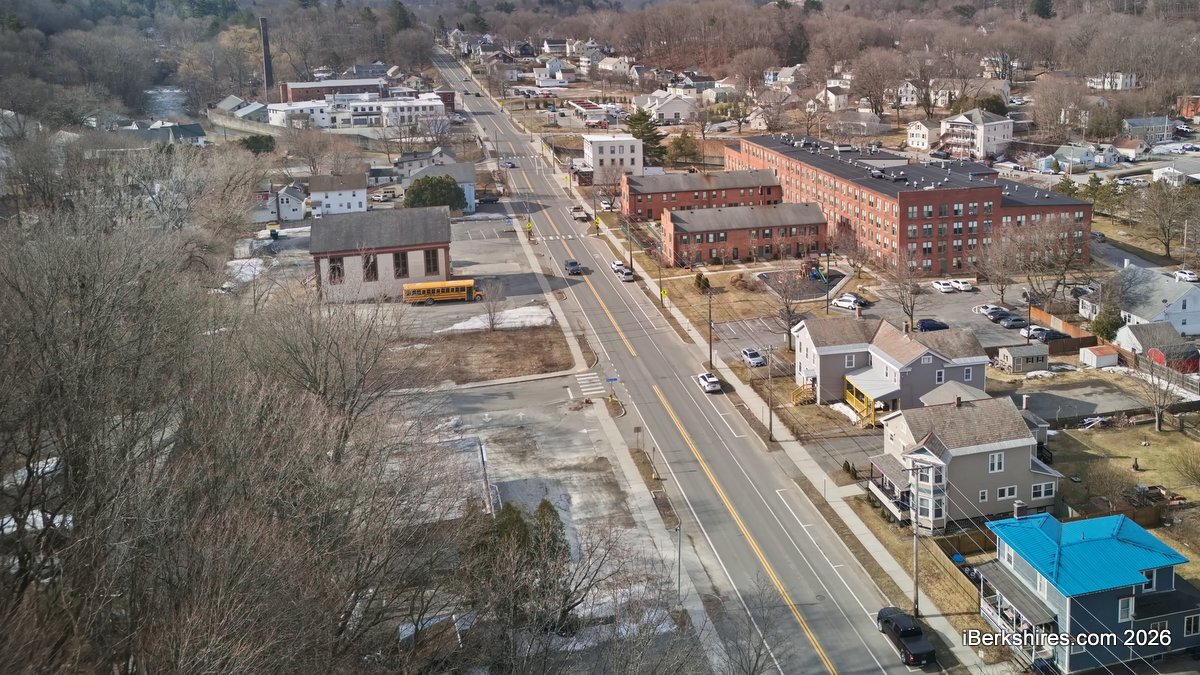
The town has designated target areas along Route 8 as 'blighted' for use of Community Block Grant Funds. More than a quarter of the buildings in the target area are considered physically deteriorated.

Adams Designates Areas Along Route 8 As Blighted

By Sabrina DammsiBerkshires Staff
Print Story | Email Story

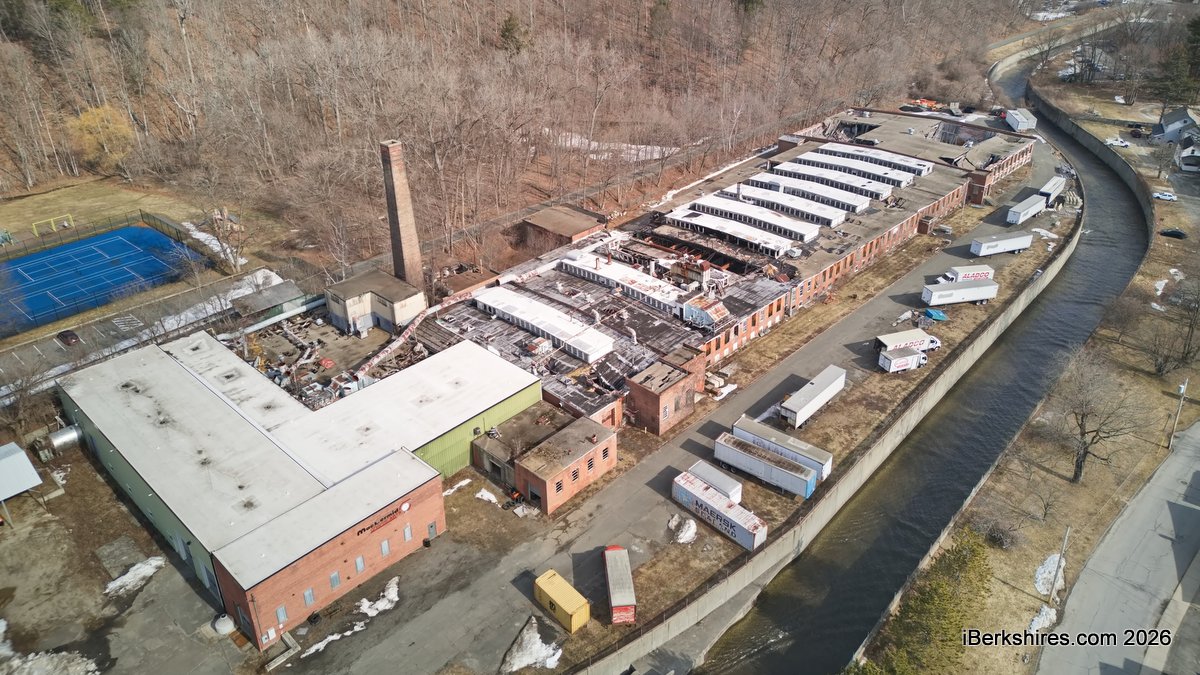
The former MacDermid Graphics mill, which was the site of a fire last year, is in the blight zone. 
ADAMS, Mass. — A section of Route 8 has been designated a "blighted" area so the town can target Community Development Block Program funds toward redevelopment.
 
According to a slum and blight report by Berkshire Regional Planning Commission, the target area is located along the Hoosic River in the "northern and southern gateways to
downtown and the Summer Street area." 
 
"We're wanting to focus this on the Route 8 corridor within the town center, although progress has been made towards eliminating blight conditions, the area still has the greatest concentration of the oldest and most deteriorated buildings in the town," Community Development Director Donna Cesan told the Select Board recently in requesting a vote on the designation.
 
This will help define how the program's future funding will be directed within Adams for projects that meet the national objectives of eliminating slum and blighted conditions, in addition to providing assistance to people with low and moderate income, she said. 
 
CDBG is a federally funded competitive grant program administered by the state. It can be used for activities that address blight, housing, beautification, demolition and economic development. 
 
"This criteria requires that at least 25 percent of the structures within a proposed target area be determined to be fair for poor condition to be eligible for designation as a blighted area," Cesan said. 
 
According to the report, 26.5 percent of the existing primary buildings in the area are physically deteriorated and include high vacancy, suspected contamination, abandoned properties, and decline in property value. The overall percentage of properties contributing to slum and blight is 32.1 percent. 
 
The public infrastructure throughout the area, including sidewalks and road surfaces, is also "in a general state of deterioration." 
 
According to the resolution, about 28.6 percent of the existing sidewalks and 31.6 percent  of existing streets are rated in fair or poor condition.
 
A majority of the buildings in the target area of Grove, Commercial, Columbia, and Summer Streets, were constructed in the mid-late 1800s, with 187 properties considered historic, the report says. 
 
At the time of construction the area had thriving mill industries. However, since then, the mills have closed, and many of the buildings and public improvements have fallen into disrepair.
 
In 2014, the board approved a target area that reflected the town's settlement pattern along the Hoosic River, which is the location of many of the oldest structures within the community, Cesan said. 
 
That target area was approved by the state Community Development for a 10-year period that has since expired, she said. 
 
During that period most of the CDGB-funded projects have been located within the target area and include improvements to Russell Field, the development of Hoosac Valley Coal and Grain park, infrastructure improvements to the Visitor Center parking lot, and improvements to Albert, Cook, Pleasant Streets. 


Tags: blight,   CDBG,   
If you would like to contribute information on this article, contact us at info@iberkshires.com.

Cheshire Board OKs Draft Warrant, Compensates Town Clerk

By Breanna SteeleiBerkshires Staff

CHESHIRE, Mass. — The Board of Selectmen endorsed the draft warrant for the annual town meeting and voted to transfer funds to compensate the town clerk for election work.

Following a public comment from its last meeting, board members discussed compensating Town Clerk Whitney Flynn for her hours during elections as they exceed her regular hours.

"Yes, election days are long, prior to elections there's set up. There's also state-mandated 9 to 5 hours on Fridays or Saturdays, where you have to be at the office to accept anyone who should choose to register to vote, and that's in addition to regular hours," Flynn said. "And then there's also state-mandated hours from Elections Commission for numerous days. And you know, there's multiple emails from the secretary of the commonwealth notifying that you must be in office to complete the certification of signatures during a lot of different days, just depending on how many elections are within that year. So they're mandatory hours by the state as well."

She kept track of her extra hours for the board to see. She has used other options to help pay poll workers.

"But what I would say is that there are opportunities with the [state] Division of Local Mandates to be reimbursed for a lot of those election costs," she said. "So essentially, I go through after elections, and I put in all of the vote-by-mail costs associated with that, I put in the like the poll workers hours if election workers come for early voting in office, which is mandatory for state and federal elections."

The Selectmen decided to move $2,500 from the book repair line into the elections line to cover for the extra hours but she cannot exceed that and will communicate her office hours around it.

The board voted to recommend the 31 warrant articles for the annual town meeting scheduled Monday, June 8.

Among the questions to be posed to voters is the operating budget, Article 8, to raise and appropriate $1,642,481 and Article 9, to approve the Hoosac Valley Regional School District's assessment of $3,402,982, an increase of $196,900, or about 6 percent. The budget was approved the School Committee in March.

Article 10 is to approve the Northern Berkshire Vocational Regional School assessment of $595,431 and Article 23 asks to use free cash of $14,137 for the town's portion of McCann Technical School's roof and window project.

Article 12 is towould appropriate $403,000 to the Police Department. This includes an increased police chief salary to help attract a potential candidate as well as three full-time officers.

Article 13 would appropriate $131,805 to support the Fire Department and Article 14 is to transfer $18,726 from the radio stabilization account for emergency radio communications.

Voters will also be asked to raise and appropriate $20,000 to the reserve fund and $42,488 for the building department.

Article 28, the room occupancy excise tax, would be capped at 6 percent as that is what most communities do.

In other news:

Following a walkthrough with engineers, the fire station's meeting/training room remains closed

Department of Public Works Director Corey McGrath informed the board in April that the fire station needs to have a geotechnical study done because of the chance of a subsurface issue.

View Full Story

More Adams Stories