Skyline Country Club Picked for Lanesborough Public Safety Building
LANESBOROUGH, Mass. — After several months of negotiating with the property owner, the proposed $5.9 million police and ambulance building has a location: 405 South Main St.
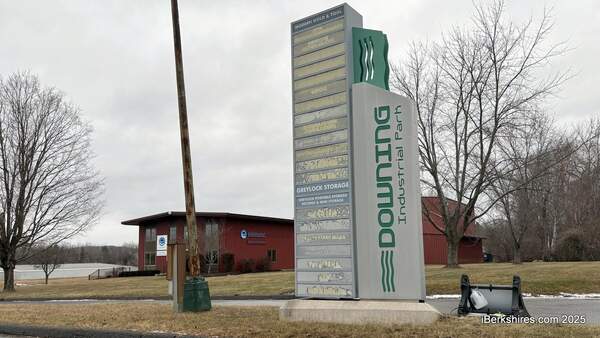
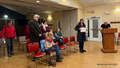
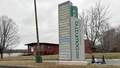
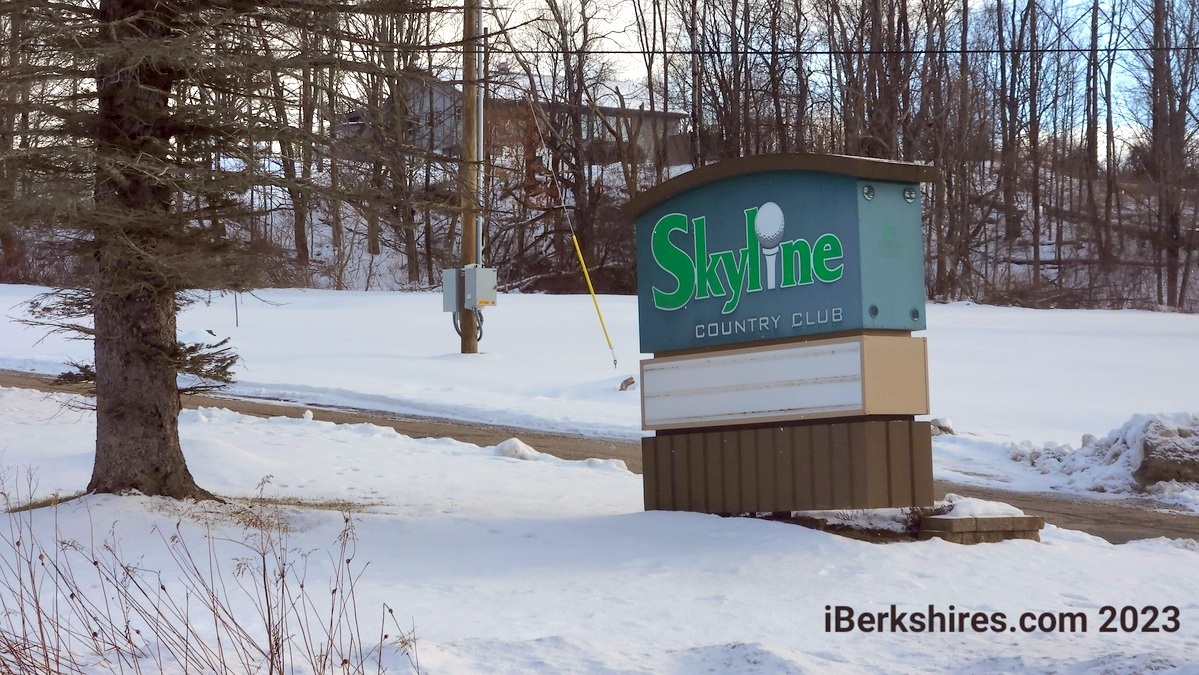
The 9-acre parcel, the site of the driving range for the former Skyline Country Club, is owned by Pittsfield's Mill Town Capital and its purchase will require approval at a special town meeting. Kristen Tool, chair of the Police Station Building Committee, gave a presentation on the property at Monday's Select Board meeting.
"I've heard a lot of excitement and positive comments about this location over the past year," Tool said. "So I think it's something that people will be really excited about."
The town began looking for a site for the new police station late last year after it was discovered the parcel for the old station, 8 Prospect St., had a deed restriction requiring it to be used as a public park. Tool highlighted several benefits to the new location, including its proximity to the center of town, utility hookups, accessibility, and additional space for future town buildings.
"The skyline property was the most highly rated by architect Brian Humes when he did his initial assessment of properties for just the police station," Tool said. "This is a 9-acre parcel with sufficient space for future town projects. So if we need to build a fire station or a DPW building in five or 10 years, we'll have this town-owned land to do that."
Tool also discussed the possible tax burden the proposed design would have on the town, as well as some of the reasons the building is needed for both departments. The committee is looking into federal grant and loan options from the U.S. Department of Agriculture and recently met with Lydon Nichols, the area director for USDA, and Scott Soares, USDA's rural development state director, to learn more about the town's options.
Tool said grant funds, as well as a $1 million earmark for the project from the state, should significantly lower the overall tax burden the project will have on town residents. She provided detailed estimates of the potential tax burden for the project, which are available on the committee's page on the town website.
"It's no secret that I've been supportive of this project from the start, but once I saw these numbers broken down, it confirmed to me that Lanesborough must do this," she said. "And it gave me hope that we can do it without breaking the bank."
In addition to approving the sale, a special town meeting will also decide on a $150,000 gift from the Baker Hill Road District meant to pay for the purchase of property for the project. The town plans to hold a meeting soon, which the Select Board tentatively scheduled for March 1.
The committee met on Tuesday and discussed plans for information sessions to provide more information on the project. The group plans to have a virtual session on Feb. 21, an in-person session on Feb. 25 and one at the Council on Aging luncheon on Feb. 28. These may change based on the date of the special town meeting.
In other business:
• Finance Committee member Steve Wentworth gave projected tax burden estimates for the town for the next six years. He said continued increases of 4 to 8 percent to the tax burden will put increased pressure on property and homeowners in town.
"Is this sustainable for down the road? Young families, two people working with kids, that kind of thing," he said. "Buying a standard house, will they be able to afford that kind of a tax burden where it's, say, $650 a month, on top of their mortgage."
Wentworth also compared municipal and private-sector ways of handling costs, noting that many benefits have been limited by private businesses. He said the annual town meeting should help control costs and budgetary increases in small towns like Lanesborough, but noted this has been a challenge recently.
"That's supposed the control mechanism, and it's not unique to Lanesborough, but I don't really see it," he said. "I've been reading people's budgets for other towns and it's the same thing. A very small percentage of people come in and make the determination on the budget."
Select Board Chair John Goerlach said they have tried several measures to increase turnout to town meetings, but that so far they have not worked.
"That's where the people need to take the stand to any budget that's too high or unfair," he said.
• Department of Public Works Director Charlie Durfee came before the board to request an override of the winter road budget. The board approved the override with little discussion.
• The board approved the appointment of Jacob Soldato as a new per-diem hire for the town's ambulance service.
Tags: Lanesborough Police Station,