Cheshire Junior Firefighters Asset to the Department
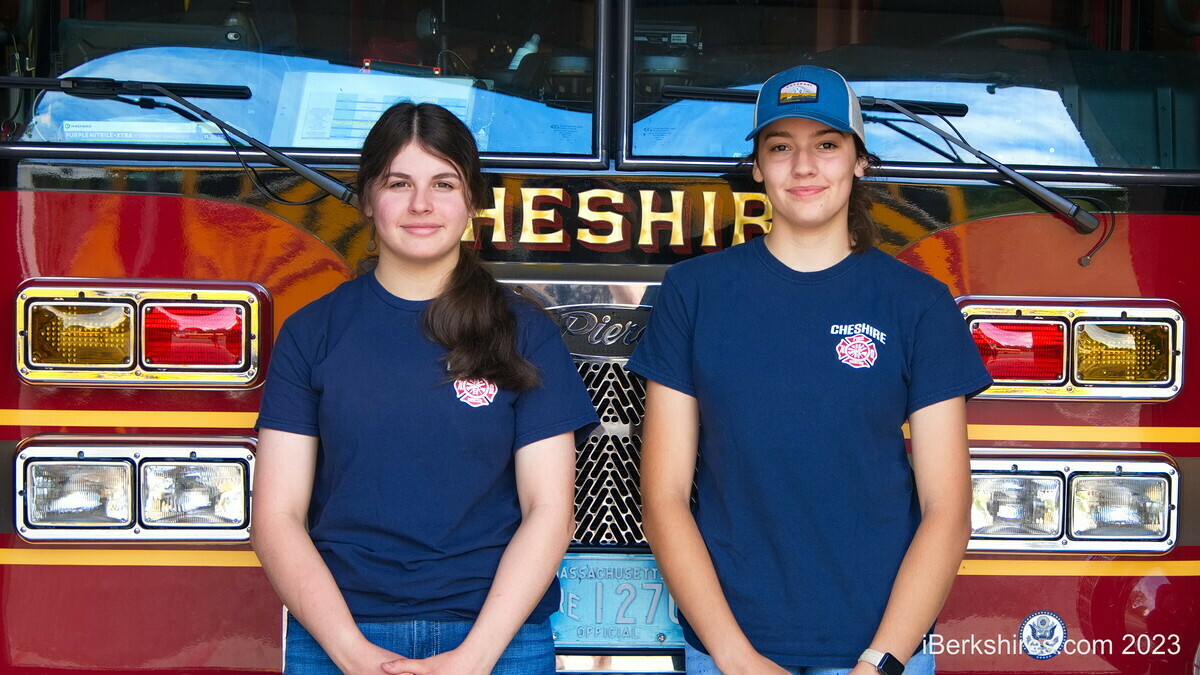
CHESHIRE, Mass. — Cheshire junior firefighters do more than just learn about firefighting — they're active, needed participants in emergency situations.
"We are in these emergency situations and it is real. In the real world when there is an emergency most people freak out," junior firefighter Christy Rech said. "But we know how to get involved and help the best we can."
Bill Rech, Christy's father and coordinator for the Volunteer Fire Department's Junior Program, said the program was started up last year to address the department's dwindling membership.
"Every department is struggling, and we wanted to get some firefighters in and starting early," he said. "Within weeks, we had six members and they were neck deep in it."
The program is for teens ages 15-18 and is designed to train future firefighters and first responders with the goal of having them join the department when they turn 18.
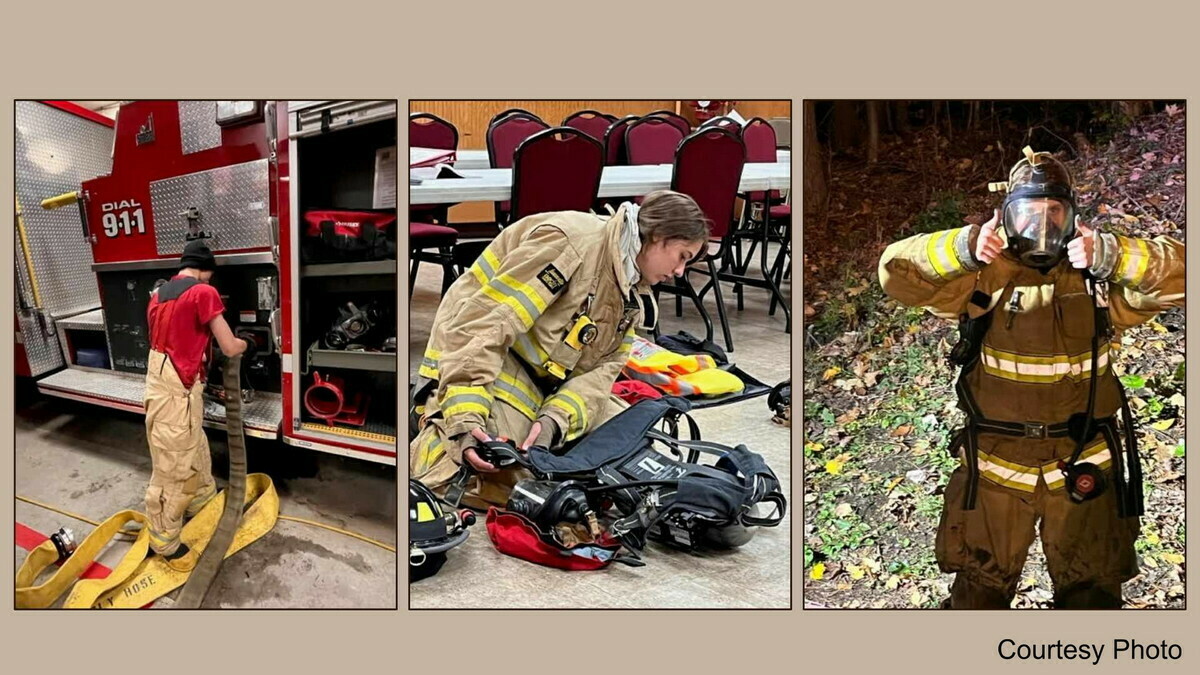
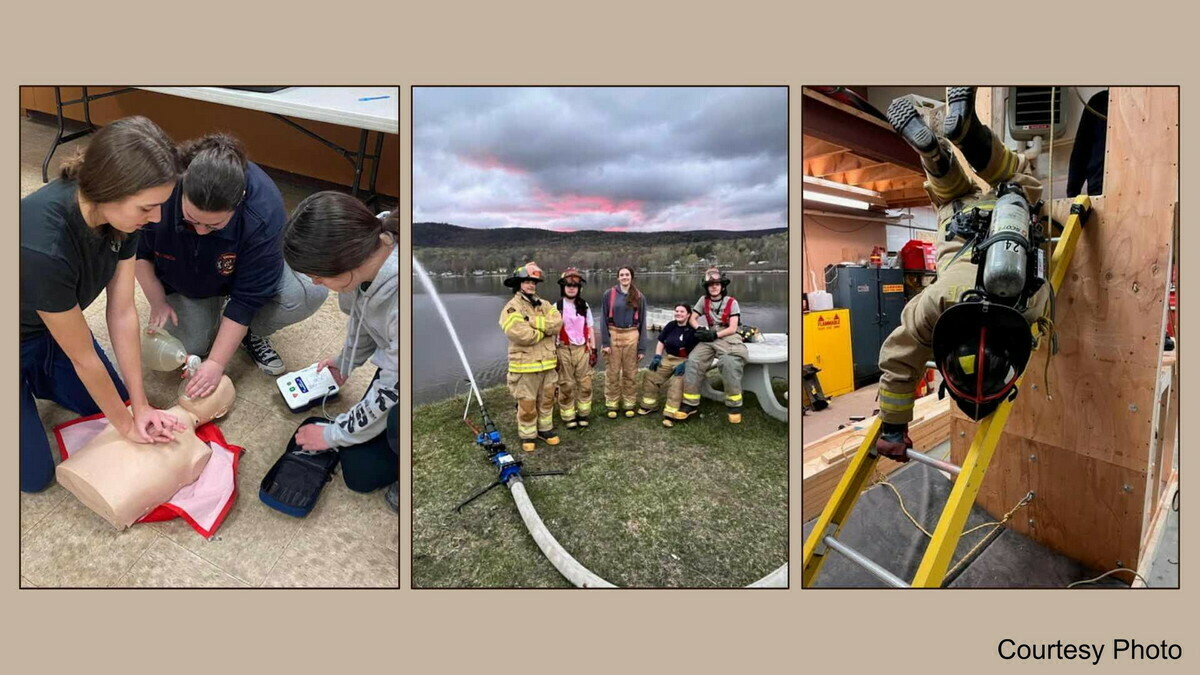
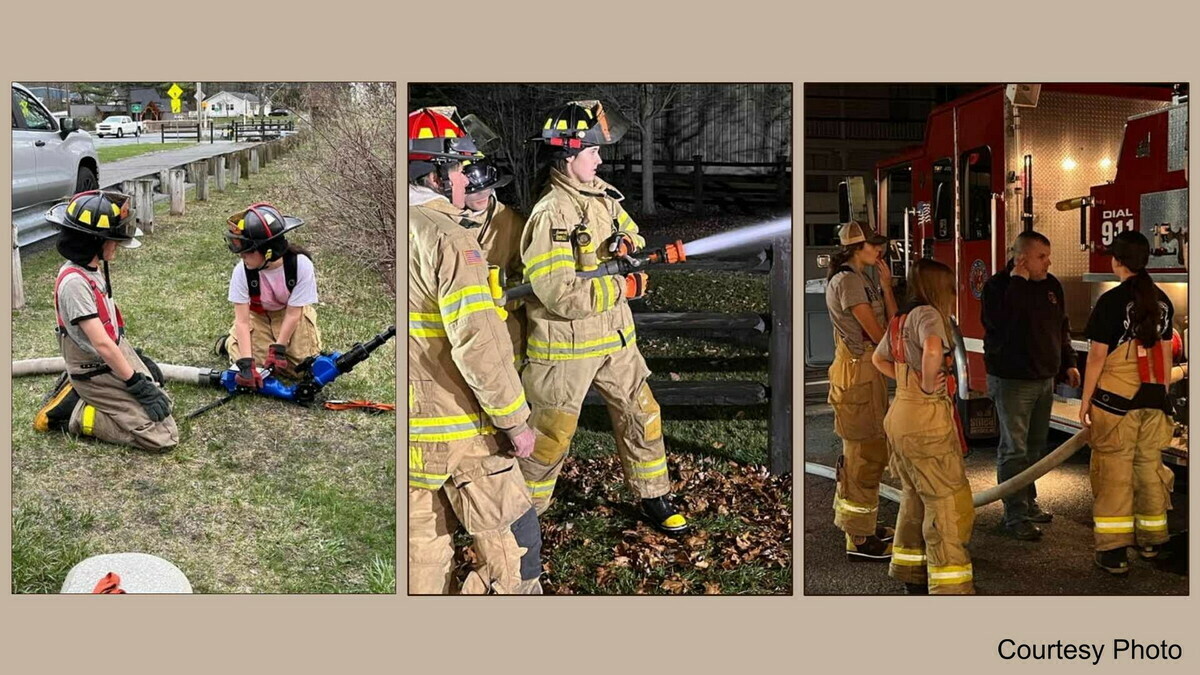
Participants in the Junior Program shadow firefighters and learn first responder skills safely. Juniors can't storm into burning buildings and Rech said they are often stationed a distance from a fire. He said they take on a more auxiliary role helping the other firefighters do their job.
"Safety is the focus, and they are limited to what they can do on scene and what they can respond to," he said. "... They are going to be down the road from the fire and can help set up hydrants, support the pond, and let us know when we need to refill."
But this does not mean they aren't helpful and Bill noted they are often charged with important tasks that allow firefighters to more thoroughly address an emergency.
He recalled the fire in Adams last Thanksgiving.
"Juniors have been very active within the guidelines and during that big fire a third of our crew were these guys," he said. "They know the trucks front to back, they know exactly where to get the equipment and stage it. And it lets the remaining two-thirds of the crew focus on putting the fire out."
Junior firefighter Sofia Francesconi said juniors are often responsible for pulling lines or setting up air packs. On medical calls, they run equipment back and forth or scribe.
"We learn about using the hoses and everything, trying to get them into the building. We have learned about hydrants and portable pumps," she said. "So we are able to help and pull things aside for the crew."
Christy said to be effective juniors need to be a few steps ahead of the situation and be able to anticipate their next action.
"It is not like we are just standing there watching, waiting for instructions," she said. "And the members do a really good job preparing us so we know what to look for and what to avoid."
Christy said she has never felt unsafe on a call and knows that her actions do make a difference.
"On my first medical call, I just stood there and held the clipboard. It is a small part, but if I wasn't holding that clipboard someone else would have to do it," she said. "They would have been distracted by having to write everything down so I think us just being there ready to help makes a difference."
Hech said the juniors are involved in firefighter training and often shadow full members. He said crew members do a good job breaking down different procedures with context.
"They slow it down; they break it down a little more," Bill said. "We want them to understand why we do things a certain way. Some things may seem silly, but the reason behind it. There is a way to put up a ladder. There is a way to properly prime a pump."
Many of the juniors already have a leg up on firefighting as the bulk of them are sons and daughters of firefighters.
"I think most of these juniors kind of like grew up on fire trucks. I always had a fire truck at my birthday party," Christy said. "I thought they were super cool growing up so it's just been something I've been interested in."
Sofia's father, Thomas Francesconi, is the chief so firefighting has always been close to home.
"I went on a ton of calls with my dad when I was little, and I think it had an impact on what I wanted to do," she said. "Once I saw the Junior Program I knew it was something I wanted to do."
This is not to say that there are no juniors completely new to firefighting. Christy said there are a few members who have taken quite well to the program even though they have no prior experience.
It is one thing growing up in the fire station but it is another actually going on a call. Christy recalled one of her early calls in which the job really settled in.
"It was a really bad three-car accident right by Farnam's [Causeway], and I knew one of the guys who was involved in the accident," she said. "So I was like, 'OK, wow, this is like a real thing.' You have to be level-headed. You have to be. You are responsible for these people."
She said she took note of longtime friends on the department who instantly snapped into duty and addressed the situation.
"Like Freddy B. I work on his farm and know him pretty well. But when I saw him in action, helping people his personality changed like that," she said. "He was very much focused. There was no joking around. He put 100 percent of his effort into what he was doing."
Sofia recalled her own moment when she realized the seriousness of the position: a medical call that really changed her perspective on the program.
"It was one of our more rough medical calls, and I think just going in that house it was just like a whole rush of like this is a real thing," she said. "This is a very serious situation and it was an eye-opener. It was sad and it was my first time seeing it, but it's not going to be my last time seeing this kind of thing."
But it's not all serious, and both juniors said training sessions are often a time for jokes and lightheartedness. Sofia said this camaraderie is important when dealing with high stress situations.
Hech said juniors need to have a good standing in school to participate and that also learn leadership skills. The juniors operate as a single department and each member rotates into a captain's role.
He said, if anything, the program teaches them commitment.
"They are here for the mandatory training, they are here for drill nights, they do extra drill nights," he said. "It is a big commitment."
Both juniors felt the program gave them more confidence and other skills that will help them in school and future endeavors.
"It can help like with your confidence and everything. You can really just have an impact on your life in general by helping other people," Sofia said.
But specifically, the program has provided them with life-saving knowledge. Juniors are CPR-certified, and they can administer nalaxone, among other things.
"Some people can do these things, but it's like more of the background knowledge," Sofia said. "We get more up-to-date background knowledge. We are constantly being trained on these things that change all of the time."
And in general, have learned how to keep a level head when disaster strikes.
"I was like an hour away from home from my friend's house, and there was a car accident and no one was there yet," Christy recalled. "It probably just happened, and I didn't have any of my gear so there wasn't a lot I could do. I'm not just going to go running into the situation, but I could like help traffic …there were power lines down so I made sure cars stayed away. If I wasn't a junior I probably would have kept driving."
Hech said the program is a huge benefit to the department. Already one graduate from last year's program, Sofia's sister Mia, has joined the department.
One new member makes a big difference regionally as all the volunteer departments rely on each other for mutual aid.
Also, Hech said having some younger members on the department really helps the department spread its message.
"We were talking to some sixth- and seventh-graders about fire safety, and the juniors had almost had a completely different interaction with them," he said. "Here is the old man telling them stuff but when they have someone who is younger describing things in more modern terms they were way more engaged."
And this sense of safety advocacy and community is an important part of the juniors. A sentiment Christy and Sofia hope to take into their continuing first-responder careers and life in general.
"I think it's just another way to get involved in your community," Christy said. "… I feel like once you see what we do and see how dangerous it can be, how much of an adrenaline rush you can get. Yeah, it does drag a lot of attention towards it, and I think the younger generations like us think it is pretty cool."
"It changes how people look at you because we are so young but are showing up and becoming an active part of this community and committing to something," Sofia said. "I think it shows a lot about us."
More information on the program can be found here.
Tags: firefighters, volunteers,