Pittsfield Public Camping Ban Proposal Sent to Health Board
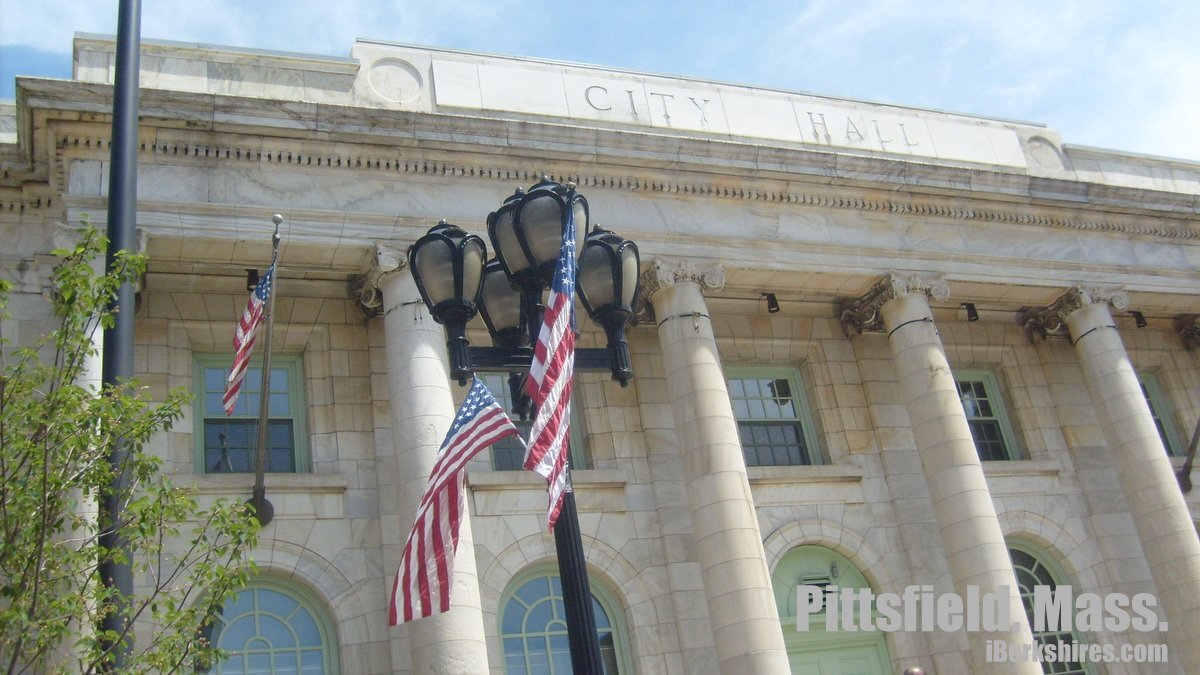
PITTSFIELD, Mass. — The City Council on Tuesday sent the controversial camping ordinance to the Board of Health and requested regular updates beginning Oct. 28.
"It's up to what the council decides as what you want our role to be, specifically. I want our role, and the board on the Board of Health wants to make sure that we are aligning our goals and our roles for the inspectors to make sure that we can properly go through the ordinance, essentially," Director of Public Health Andy Cambi said on Tuesday.
"We want to make sure, since we're going to be tasked with enforcement, we want to make sure that we have the capacity for it and what the role is."
In advance of the meeting, Cambi requested that the ordinance be sent to health officials, citing the need for clear guidelines and goals, as well as time and community engagement. He feels that regular updates at the City Council are appropriate.
The BOH meets again on Oct. 8.
"If we're not sure yet, we can continue that conversation upon our review, but I think it's going to be a lot of collaboration between the Board of Health, the City Council, the mayor's office, and the residents of Pittsfield," the public health director said.
"So I just want to make sure that, to get started, we want to share what clear guidelines we want to work on first with the ordinance."
Mayor Peter Marchetti reiterated that he doesn't care if the ordinance sees the light of day if the city can come up with solutions for negative behaviors in the downtown.
"There's 11 of you, there's me, there's the Board of Health. I see a lot of petitions being thrown my way, but I don't necessarily see solutions that show dollars attached to be able to provide some of those solutions," he said.
The nearly 1,000-page agenda included the ordinance and five directly related petitions.
Ward 7 Councilor Rhonda Serre said the city is already seeing results from this dialogue, including the reopening of the Pittsfield Police Department's public bathroom and research underway for personal storage solutions and mobile hygiene facilities.
"I've heard the businesses and the neighbors who are concerned about safety and the condition of our public spaces. I've also heard unhoused residents and advocates asking for respect, real services, and pathways to housing. Both truths matter," she said.
"The causes that bring people to sleep outside and the risks that follow them are very much public health problems, and one critical piece has been missing from our dialogue to date, and that is the structured involvement of the Department of Health and the Board of Health. Public health can set humane, evidence-based standards, coordinate services, and guide implementation so we're not just writing rules, we're delivering results."
Councilor at Large Alisa Costa cautioned that transformation doesn't happen in one meeting. She hopes that the update is not a fully fleshed-out plan, and that the city can enact smaller efforts while striving for larger ones that require more resources.
"I think what I've been hearing over the last several months is that our goal as a community around this is transformative, right? We want to solve this really pressing issue that is challenging our community's ability to thrive, whether it's our businesses, our visitors, our residents, including our neighbors who are homeless," she said.
Residents have flooded council chambers to speak on the ordinance, mostly against.
Resident Shannon Stephens reminded councilors that this ordinance is about human lives; living people with access to no other options.
"I am so glad that it's being turned over to the Board of Health, I think that's the best possible thing we can do," she said.
"But we are already living in an age of cruel executive orders, and I will be damned if that trickles in and poisons my very own community."
Ward 6 Councilor Dina Lampiasi pointed out that research shows punitive approaches, such as encampment sweeps, arrests, and fines that restrict the basic needs of people, lead to worse outcomes.
"It doesn't help to improve the conditions that we're trying to fight right now, and meeting after meeting in this room, and in private meetings with the mayor, we go back to the topic of sanitation," Ward 6 Councilor Dina Lampiasi said.
"On social media, we're going back to the topic of sanitation and the fact that those that are committing the most problematic acts downtown, we actually don't even know if they are unhoused. There is a significant portion of them that are substance users, and they're struggling with that. They don't have the resources available to them, or perhaps they're not ready for those resources."
A downtown business owner posted pictures on Facebook of feces near her store.
Lampiasi added that whatever the council ultimately decides to pass, it needs to be rooted in solutions, "not in what's going to win a headline or give false hope to the merchants on North Street, because, in my view, they actually deserve better."
Tags: board of health, camping, downtown, homeless,