MassDOT Extends Public Comment Period for Beyond Mobility
BOSTON — The Massachusetts Department of Transportation (MassDOT) announced earlier this month the start of the public comment period for Beyond Mobility, the Massachusetts 2050 Transportation Plan.
As an update, the public comment period has been extended and will be open through May 31, 2024. Community members are encouraged to offer thoughts on Beyond Mobility by using an online survey tool, which can be found at www.mass.gov/beyond-mobility.
"We have extended the public comment period from 30 to 60 days to make sure people have ample opportunity to review this incredibly comprehensive but very important document," said Transportation Secretary and CEO Monica Tibbits-Nutt.
Beyond Mobility will result in a blueprint for guiding transportation decision making and investments in Massachusetts in a way that advances MassDOT's goals and maximizes the equity and resiliency of the transportation system. The project team, considering what the world will be like in 2050, has analyzed previous plans, public engagement responses, and results from a needs assessment and has identified six key priority areas of Massachusetts to focus on over the long term. These are: safety, destination connectivity, travel experience, reliability, supporting clean transportation, and resiliency. Within the Plan, vision statements, values, problem statements, and over 100 action items have been developed and are organized by these six priority areas.
The launch of Beyond Mobility's public comment period is part of a coordinated effort by MassDOT titled "MassDOT@15," to both commemorate the 15th anniversary of MassDOT (on November 1, 2024) and look to the future of transportation in the Commonwealth. Beyond Mobility is the blueprint for guiding transportation decision making and prioritization and is one of three major policy and strategy efforts associated with MassDOT@15. The other two are the Healey-Driscoll Administration's Transportation Funding Task Force and the Strategic Business Plan. These three strategy components – Beyond Mobility, the Transportation Funding Task Force, and the Strategic Business Plan – will outline who we are, what we do, and how we pay for it and will be aligned to the mission, values and goals of MassDOT.
The public comment period for Beyond Mobility began April 1. Community members may share comments through May 31 on specific sections of Beyond Mobility or on the document as a whole. The feedback received will be reviewed and incorporated into the final plan materials as appropriate.
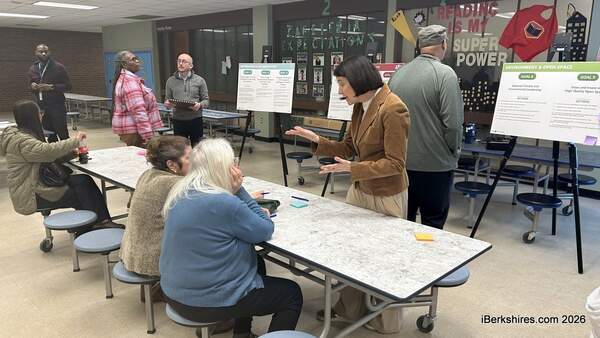
Since the launch of Beyond Mobility, in 2022, MassDOT has put public feedback at the center of the Plan. The project team has conducted robust public engagement, including focus groups with traditionally underrepresented communities, community activations that meet people where they are across Massachusetts, web-based surveys and mapping exercises, and other participatory outreach activities.
To learn more about Beyond Mobility and to access the final draft plan materials and links to the online survey tool, please visit: https://beyond-mobility-massdot.hub.arcgis.com/.
Tags: MassDOT,