Two Berkshire Peaker Plants Have Been Put in the Past
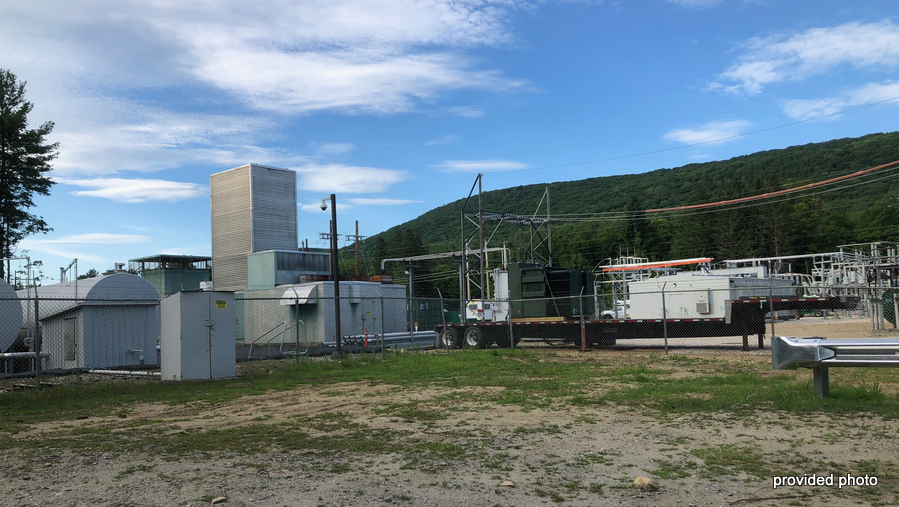
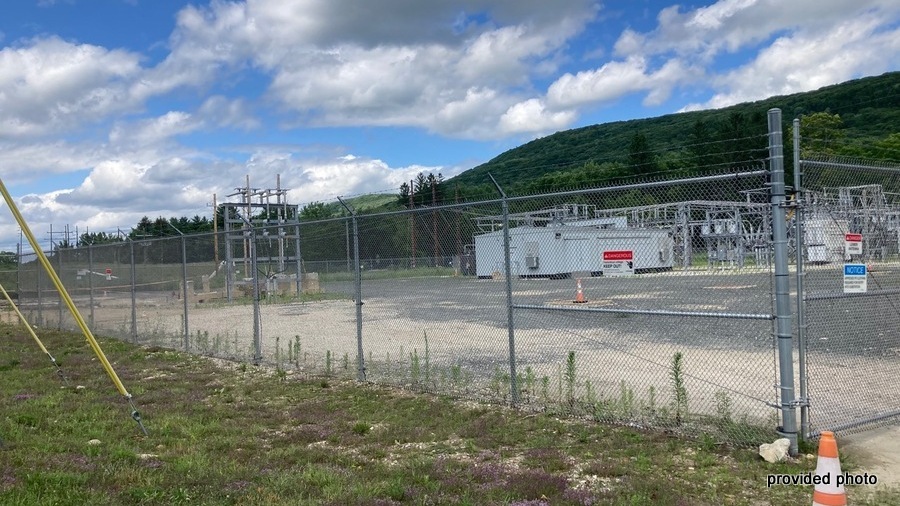
LEE, Mass. — Two peaker plants in Berkshire County have been out of service for two years and have been demolished. Local environmentalists are rejoicing.
"It's phenomenal," said Rosemary Wessel of the Berkshire Environmental Action Team. "To actually see the physical proof of a peaker plant not just shut down but removed is just more than we really expected and it's really great."
Peaking power plants — also known as peaker plants — run when there is a high demand for electricity. Facilities on Woodland Road in Lee and Doreen Street in Pittsfield were shut down in 2022 and have been removed entirely, with usable parts auctioned off.
Owned by the Carlyle Group and operated by Cogentrix, the decades-old plants had reached the end of their commercial lives.
"The facilities reached the end of their respective useful lives," a Cogentrix spokesperson said. "They were no longer needed for peak energy use periods or grid reliability; therefore, the company made the decision to retire the units."
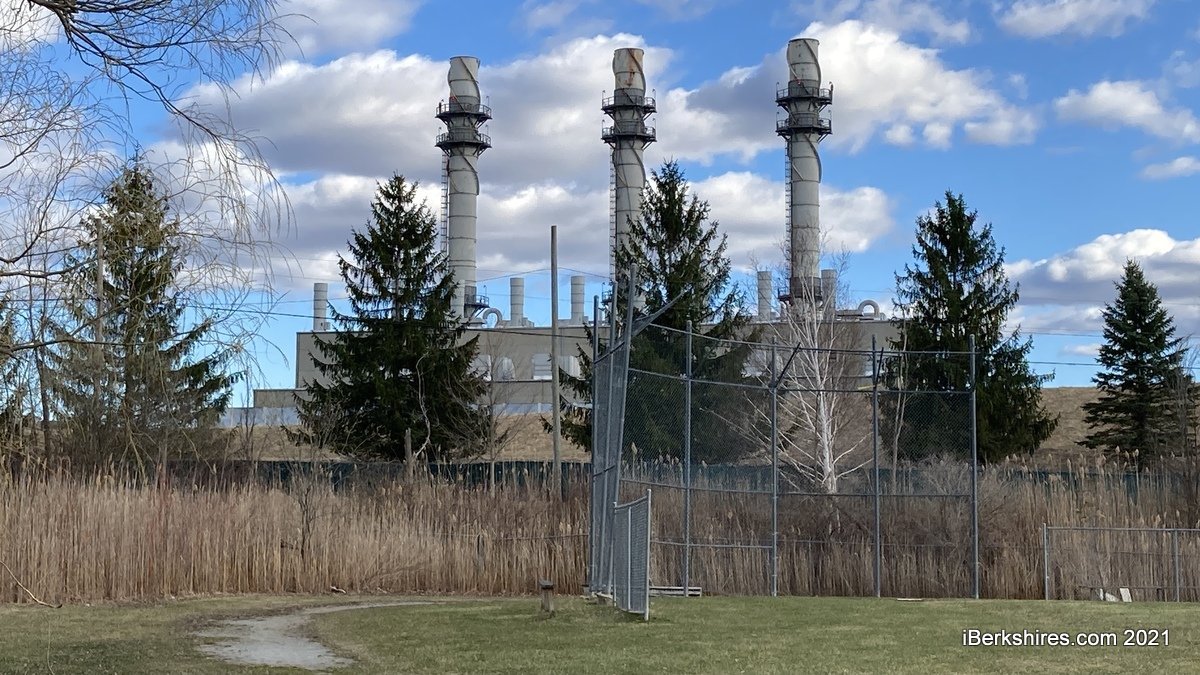
About three years ago, BEAT started a "Put Peakers in The Past" petition demanding that the three peaking power plants in the county revert to renewable and clean alternatives. The third is Pittsfield Generating Co. on Merrill Road (owned by Hull Street Energy.) The group also found support from the Pittsfield Board of Health.
Wessel said when the environmental nonprofit got in touch with Cogentrix, Senior Vice President of Corporate Development Chris Sherman was more than open to the idea of retiring the plants. In 2021, Sherman was the vice president of regulatory affairs and has a background in clean energy.
"The first Zoom meeting, it was pretty amazing. They said, 'You're right, we should be doing it,'" Wessel said.
BEAT's first ask was to decarbonize the operation, moving it away from fossil fuels. More than 300 people have signed BEAT's petition and, last week, they received visual confirmation that the Lee plant was not only shut down but gone.
"Environmentally, these were really impactful. Not that they ran often but because when they ran, they were highly polluting," Wessel said.
"The Doreen plant was over 50 years old, the Woodland plant was over 60 years old, and they ran on kerosene, jet fuel. So very highly polluting. For the amount of time that they did run, they created a fair amount of pollution."
She said the plants were called on less and less over the last decade.
"They weren't really crucial infrastructure to the grid. There's lots of sources on the grid that make up for it," she said. "And the idea of doing storage is to replace a lot of peakers. The more storage there is, the less the grid will need to call on peaking power plants to fuel up."
Carlyle acquired the Berkshire County plants in 2016. West Springfield Station in West Springfield, also owned by Carlyle and operated by Cogentrix, was similarly removed from service in 2022.
The company said local stakeholder groups have been "very supportive" of a clean energy project under development at the West Springfield site. BEAT reported that this peaker plant was one of the most polluting in the state and is being converted to battery storage and solar.
Cogentrix does not operate any other peaker plants in New England.
Wessel said Sherman and the company stepped up to the plate, as BEAT hoped they would.
"In our calls, we're like, 'We’ll give him the chance to be a climate hero,'" she said. "We didn't expect the full embrace of that idea but Cogentrix has definitely stepped up to the plate."
A spokesperson confirmed that the company tries to salvage and sell parts from retired facilities when possible, which was another check mark for environmentalists.
In the case of Pittsfield Generating, efforts have not been as successful.
"We've been talking to them for the same amount of time and they haven't been able to, as they put it, 'find a path' to making a transition work," Wessel said.
"They're in a bit of a different setting. That plant is on a very small lot so if they were to add storage, there's not a lot of room to add storage. Of course, we would like them to tear the old plant down and put storage on there, then there's plenty of room to put more than enough storage but they're not ready to do that."
They are not unwilling to talk but they're not willing to take on the risk to take this step, she added.
"It seems ridiculous not to."
Earlier this year, the Healey-Driscoll administration announced the creation of the Office of Energy Transformation and the appointment of Melissa Lavinson as its executive director. The department is charged with the hands-on execution of the clean energy transition, including ensuring the availability and readiness of electrical infrastructure, electric and gas transition coordination, and a just transition for impacted workers and businesses.
Wessel reported that after talks with Lavinson, a working group on peaker plants was established with BEAT, Cogentrix, and the owners of Pittsfield Generating sitting on it.
Editor's note: updated to report the plant on Doreen Street in Pittsfield has also been cleared.
Tags: alternative energy, BEAT,