Pittsfield Health Board Supports Peaker Plant's Switch to Clean Energy

PITTSFIELD, Mass. — The Board of Health on Wednesday voted to back local environmentalists' efforts in converting three so-called "peaker" power plants in Berkshire County to green energy.
The panel unanimously agreed to support a professional statement written by the Berkshire Environmental Action Team in support of the transfer from fossil fuels and to promote engagement with plant owners.
This will include facilitating conversation with Hull Street Energy, owners of Pittsfield Generating plant, who have not responded to BEAT's requests for a meeting.
A Berkshire Environmental Action Team campaign "Put Peakers in the Past" is demanding that the three peaking power plants located in Berkshire County revert to only renewable and clean alternatives. "Peaking" plants are used to meet periods of high energy demand.
The three-decades-old plants at Pittsfield Generating Co. on Merrill Road, the Eversource substation on Doreen Street, and the EP Energy plant on Woodland Road in Lee run off fossil fuels such as natural gas, oil, and kerosene.
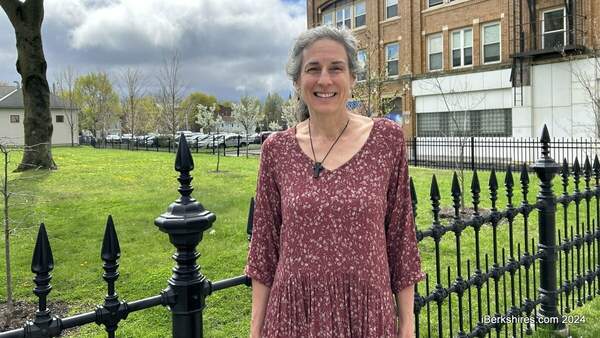
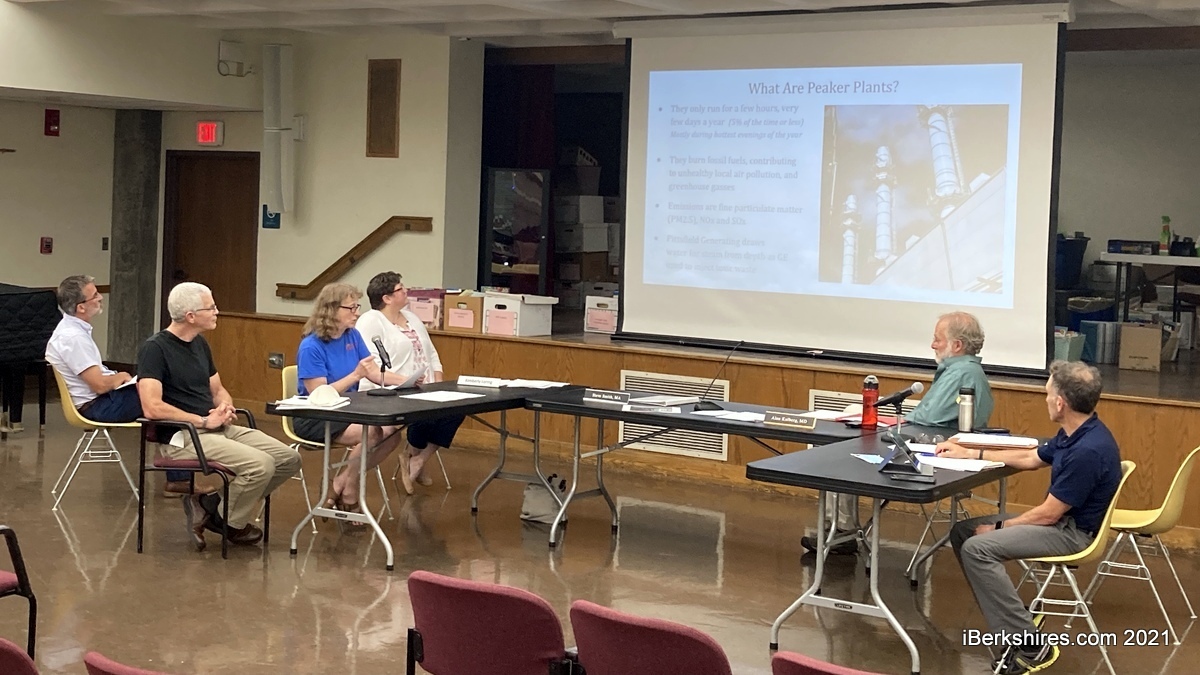
BEAT Executive Director Jane Winn and retired physician Dr. Henry Rose gave a presentation to the panel that outlined the plants, the emissions associated with them, and the plants' air quality permitting.
Winn said these plants run 5 percent of the time or less yet make up a considerable amount of the city's emissions. Reportedly, the Doreen Street and Lee plants run less than one percent of the time.
Pittsfield Generating accounted for 15 percent of Pittsfield's entire stationary emissions — or 60,000 metric tons — in 2018.
"And these facilities are very expensive for our electric ratepayers in the Berkshires," she added. "We pay billions of dollars to keep them on standby and when they do run, they're some of the most expensive electricity generations that we have."
Reportedly, residents pay for these plants unknowingly through Eversource electric bills.
Winn also identified health impacts related to fossil fuel pollution that include reduced lung function, asthma, cardiovascular disease, pre-term birth, and premature death with children and elderly being most vulnerable.
"You might not be able to see it, you might not be able to smell it, but it's out there and it's causing problems," Rose said about the emissions.
According to a Berkshire Regional Planning Commission study, Winn added, life expectancy in the Morningside area where Pittsfield Generating is located is about 71 years whereas the average in Pittsfield is 79.5 years.
Pittsfield Generating has applied for the renewal of an air quality permit but the Massachusetts Department of Environmental Protection has agreed to hold at least one public hearing on the plant.
Alternatives to peakers include demand response or "peak-shaving" in which customers avoid energy use during peak demand, grid storage that uses solar plus storage to produce and store clean energy, and Mass Save's "Connected Solutions" program that allows electric customers to use battery storage alternatives to replace power plants.
Winn said BEAT has tried to facilitate a conversation with the owners of Pittsfield Generating many times and they have not answered while the other plant owners have.
After sending a well-received letter signed by local legislators to the owners of Doreen Street and Woodland Road, they were able to meet with them last month and discuss options for clean energy.
Chairman Alan Kulberg asked Winn if there are disadvantages to using solar batteries, to which she said there are downsides to the usage of batteries but they do not equate to the negatives that fossil fuels present.
Members advocating for these plants to switch to cleaner energy solutions include the Berkshire Brigades, the Berkshire Women's Action Group, Indivisible Pittsfield, and Lee's Board of Selectmen and Greener Gateway Committee.
At the board's next meeting, members will likely work on drafting a letter in support of the initiative.
Tags: BOH, power plants,