Adams Police Finally Outfitted with Body Cameras
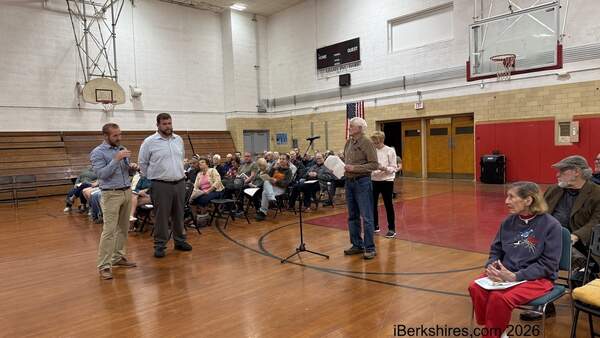
ADAMS, Mass. — All Adams police officers are now fully equipped with and mandated to use body cameras, interim Police Chief Timothy Sorrell announced to the Selectmen, confirming the equipment, purchased nearly two years ago, is now fully utilized as of Nov. 15.
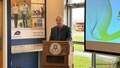
"We are in a learning phase, but we are running really good right now," Sorrell said Wednesday after playing some recent footage from the cameras. "Everyone likes it, and I haven't heard any complaints. I think they are happy to have them, and they know it will make their jobs better and easier."
He said the cameras have been in circulation, but now all officers are mandated to wear them.
Sorrell said Officer Travis Cunningham was the liaison with the camera company and was essential in rolling out the units.
The department received $110,000 grant for the implementation of body-worn cameras back in 2023.
"We had a short transition period where we had two officers try them out. They picked up on it so well …we said 'let's have everyone jump in and be on board by Nov. 15,'" he added.
He said Adams is probably one of the last departments to move to mandated body camera use. He said officers have taken to the cameras and appreciate the protection and transparency.
"When I first came on, and these were coming out, I was one of the old dinosaurs that said 'no, these aren't going to be good,' but they have exonerated more police officers then it has hurt," he said. "Which is a very good thing."
Cunningham said officers have to start the recording manually, but when a weapon is drawn, the camera automatically starts rolling.
Footage is automatically loaded to the cloud-based server as soon as officers re-enter the station. Footage is saved for six years.
Selectman Joe Nowak said he thought the department-wide use of cameras was a long time coming.
"I'd like to say, with body cameras, it is well overdue because it is just not a tool. It is when you go in front of a judge and you can show what is going on," he said. "Pictures tell a lot."
Selectwoman Christine Hoyt added that she felt it was important that it is communicated to the public that all officers are now wearing cameras.
Sorrell agreed and said officers are pushing the information out through social media. He added that, unlike when the body cameras first started being used, people expect officers to always be recording.
Also, he said the department is moving toward a "periodically unmanned station" that would allow more flexibility, allowing an officer to leave the station when needed.
"I don't like the term 'dark station' because dark is negative," he said. "This is just periodically unmanned. Maybe at a set time, maybe not. It will depend on what is going on in the community, or maybe we just have to check on something."
The topic actually represents a change in the town charter that town meeting made some years ago. Although controversial at the time, town meeting accepted a change that would allow the station to be unmanned.
But Sorrell underlined that things really won't change that much and that he felt any changes will be positive.
First off, he said absolutely nothing changes with calling 911. If someone calls the station number, and it rings five times, it will be rerouted to the Berkshire Regional Communication Center.
"I think it is a bonus, and I don't want to scare anyone. We are not changing anything. The number is still the phone number," he said. "You will call that number and you will still get somebody."
He said he understands people have their favorite officers and regional dispatch can contact specific officers and have them call residents back if need be.
The station will still be open 24/7 and the phone will be available in the lobby.
"If you are wandering down the street at 2 in the morning and want to pop into the station, you still can," he said. "If someone isn't there you can call and someone will probably be there in a matter of minutes. Nothing has changed."
He spoke to how this will help the officers, noting that often a supervisor needs to be on the scene for certain incidents. It also allows for the department to have another officer on the street if need be.
"If there is a call we can pull that sergeant or officer from the desk," he said. "Everyone knows they are ready and suited up if they need to go out on the road. If a call comes in they can jump in the car and go on the call. I think it is a plus for the town."
He added that the overnight workers are especially thankful for the flexibility because they often feel isolated. Now they have consistent backup.
He said the department will not be vacated if there is a prisoner.
Nowak was OK with a periodically unmanned station and hoped it meant more beat officers out in public.
"I don't even know all the police in this town, and I have no idea who they are. You go into the building and you look at a glass you can't even see through it," he said. "It's like the 'Wizard of Oz.' When I was younger … officers walked the beat and they became friends to a lot of people. Even the vehicles, they go by and the windows are tinted. You can't see who they are … I think it is important that you see somebody."
Sorrell agreed and said this is something the officers in the department are actively working on.
"I was the type of guy, I drove around in the summer with my AC on but my window was down. I would get out, talk to people," he said. "... That is what we are pushing for to get out into the community because the community are the people we serve, they pay our salaries and we need to have that interaction. So you will see a lot more of that."
Nowak also asked if officers could be around when church lets out on Sundays to help slow down traffic.
Sorrell said this is absolutely something an officer could leave the station and do and it would likely only leave the station unmanned for 15 minutes.
Finally, Sorrell gave a cruiser update and said the town anticipates a new cruiser in December, with another arriving in the following weeks.
Unfortunately, the delivery has been delayed because of supply chain issues, but this has worked out for Adams. The town ordered 2025 cruisers but will now get 2026 model cruisers — but at the 2025 price point.
Sorrell said much of what he presented is reflected in policy changes. He said since being appointed, the department has updated and standardized six policies and formed three new ones. He said they will continue to do this and pull from other departments.
Chairman John Duval thanked Sorrell for acting on many requests from the selectmen.
"A lot of things we have asked about over the years are starting to come to fruition and it is exciting," he said. "Looking forward to hearing more updates."
In other business, it was announced that a holiday pet food pantry has been set up at the Firehouse Cafe. Donations can be dropped off at Town Hall.
Tags: Adams Police,