Williamstown Fire District Gets OKs for Site Work on Station Site
WILLIAMSTOWN, Mass. — The Fire District this month received approval from two town bodies for the "early site work" planned in conjunction with the construction of a new station on Main Street.
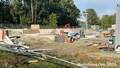
In separate sessions with the Conservation Commission and Zoning Board of Appeals, fire district officials got the OK for a "cut and fill" project that will raise the grade of the area planned for construction to bring it roughly to the same elevation as Main Street (Route 2).
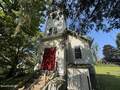
The Con Comm also conducted a site visit on the 562 Main St. property and approved the project's delineation of wetlands on the 3.7-acre property.
That delegation will allow planners to proceed with the design development phase of the project – all with an eye toward starting construction in the spring of 2024.
Before then, the district will be back before both the ZBA And Con Comm to get approval for the actual building project.
This month, the district's goal was to get the OK to use more than 11,000 yards of fill to level off the building site at an elevation appropriate for a new fire house.
"The existing grade here is 612 [feet], roughly, and we're filling here to 616," engineer Charlie LaBatt of Guntlow and Associates told the ZBA, indicating an area on the site map. "Existing grade here was 608, and we're filling to 616 -- greater than 6 feet from existing grade.
"The major reason is that for an emergency facility like a fire station, we need to be above the 500-year flood plain or 2 feet above the 100-year flood plain, whichever is higher. In this case, they're both pretty close to that."
Changing the grade by more than 6 feet as planned triggered the need for a special permit from the ZBA, which reviewed the site work proposal and granted the permit with some added conditions.
Finding that the planned work, which could commence late this summer, would have "minimal negative consequences on the surrounding area," the board required the district to develop a plan with its successful bidder to control dust and "mud in the road" during the filling process.
The ZBA also stipulated that the district do "adequate testing of cuts and fills for hazardous materials," including, but not limited to, PFOAs.
LeBatt told the regulatory bodies that the intention is to do the cutting and filling as soon as possible in order to allow the soil at the site to fully compact before breaking ground on the station as soon as next spring.
In the meantime, the district's architects will continue to refine plans, develop construction documents and put the project out to bid some time next winter.
They also will be seeking the full regulatory approval of both the Con Comm and ZBA, likely late in the fall, to keep the project on track for completion by spring or summer of 2025.
The next time the Con Comm looks at the project, it may be evaluating a more detailed and costly Notice of Intent. This month, the district was asking for a "determination of applicability" of the Wetlands Protection Act – a finding that the site work only did not trigger the need for an NOI.
"The work, this first earthwork project, which is not within the buffer zone of the potential wetland bordering on the edge of the flood plain, is some cutting and filling, but no net filling within those limits," LeBatt told the Conservation Commission.
On the other hand, LeBatt told the Con Comm the district may need to do some clearing nearer the resource area if it ends up needing to do extensive ground-mounted solar for the project. The goal is to power the net-zero facility with rooftop solar, but the capacity of the roof will be determined during the coming design phase, he explained; it is unknown how much of that capacity will need to be supplemented by ground-mounted panels.
The Con Comm on May 11 gave the district what is known as a negative determination of applicability, meaning that the work can be done without the engineering for an NOI to ensure the water resources are not impacted.
Residents of the Fire District gave permission to bond for the building project in a special meeting on Feb. 28. The annual Fire District meeting to approve its operating budget is Tuesday.
Tags: fire district,