Pittsfield to Decide Crosby/Conte Feasibility Study in October
PITTSFIELD, Mass. — City and school officials are expected to vote on a feasibility study for the Crosby Elementary School rebuild by Halloween.
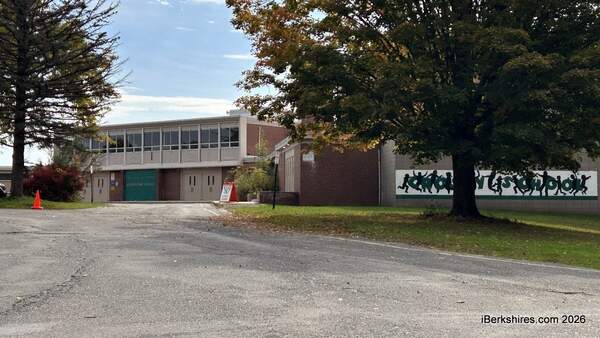
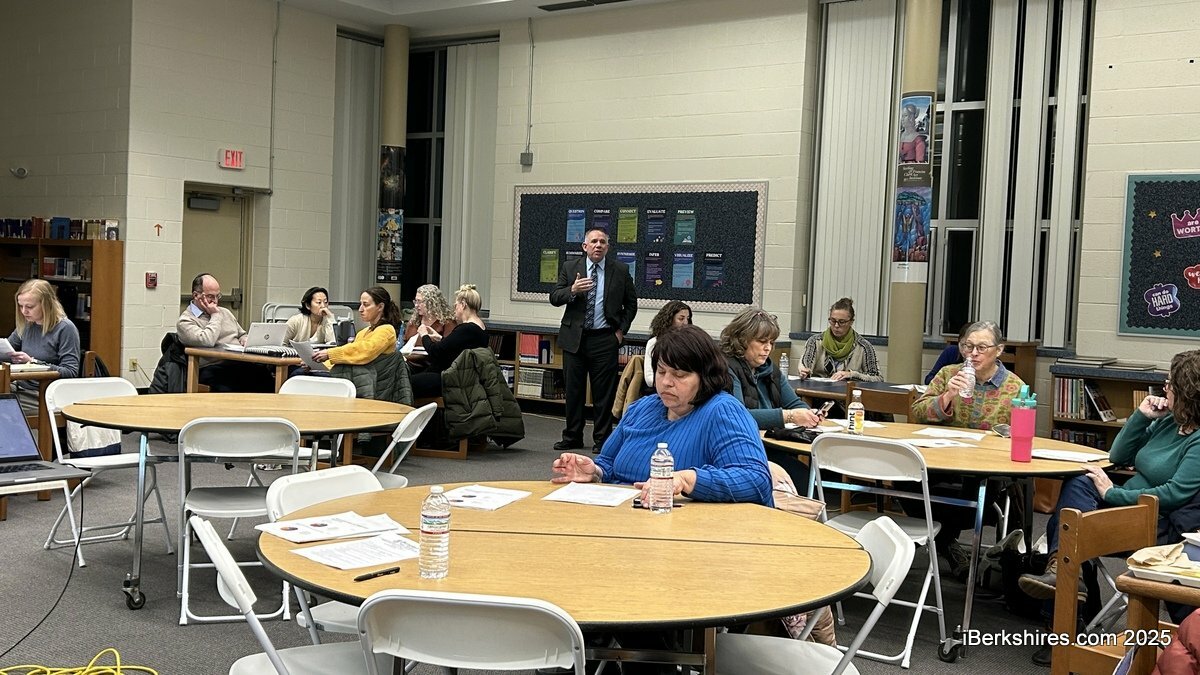
On Monday, Superintendent Joseph Curtis gave an overview of the study's timeline and components. It would determine the feasibility of rebuilding Conte Community School and Crosby on the West Street site with shared facilities.
"We at this point, do not know the feasibility study will actually occur," he told the Middle School Restructuring Committee.
"There has to be discussions of the School Building Needs Commission, who is actually meeting [Tuesday night], there has to be discussion with the School Committee, and then finally, approval by the City Council by roughly Oct. 31 to fund the feasibility study."
The study, estimated to cost about $1.5 million, is a part of the 80 percent reimbursable costs from the Massachusetts School Building Authority, which accepted the project into its queue late last year.
The Crosby/Conte plan has the potential to house grades prekindergarten to first grade in one school and Grades 2 to 4 in another, with both maintaining their own identities and administrations.
Curtis explained that what begins now is a 270-day timeline with a "whole host of tasks" that have to be completed in that window.
"The Massachusetts School Building Authority (MSBA) Feasibility Study is a key phase in the process of addressing the needs of public school buildings in Massachusetts. It is a collaborative effort between the MSBA and the participating school district to identify the most appropriate and cost-effective solution to a school facility problem," an overview provided by the Pittsfield Public Schools explains.
"The Feasibility Study ensures that the district and the MSBA have a well-researched and collaborative plan for addressing the school facility's needs. It provides a framework for designing a solution that signs with education goals, meets community expectations, and is financially responsible."
Curtis pointed to bullet points in the overview that address education program development and evaluation of alternatives.
The district needs to develop an Educational Program Plan that includes space requirements, program offerings, curriculum goals, and enrollment projections. Multiple options are to be considered including the renovation of the existing building, renovation with an addition, full replacement of the school building, and other potential solutions.
The project is centered around Crosby and the assessments would be done on its site.
Last year, the district conducted an extensive study of the district with DRA architects that included attendance zones and grade spans. This was in preparation to submit a statement of interest for Crosby and shares similarities with the feasibility study.
"This feasibility study will re-suggest some of the things you're looking at right now, could there be different options, different possibilities?" Curtis explained.
"You've seen in the past, our study suggested hopefully reducing to three attendance zones with dual campuses for each at elementary school. That might be a recommendation of this feasibility study, it might not."
Running parallel to the Crosby proposal are the efforts of the Middle School Restructuring Committee, which is expected to put recommendations in front of the School Committee next month. It has been researching grade spans and data outcomes, educational models for middle-year grade spans, and reviewing current district policies that will be affected by any grade span change.
While the Crosby project is not under the restructuring committee's purview, the efforts coincide.
"Recommendations could range from something specific to a delay in the timeline, additional study," Curtis said.
He explained that the original intention of the restructuring was to coincide with the opening of the new building but the School Committee felt it needed to be researched and addressed sooner.
The Crosby/Conte build would not be expected to be completed until 2029.
Tags: Pittsfield Public Schools,